
My Dog Refuses Her Kibble — I Stopped Fighting It and Did This Instead
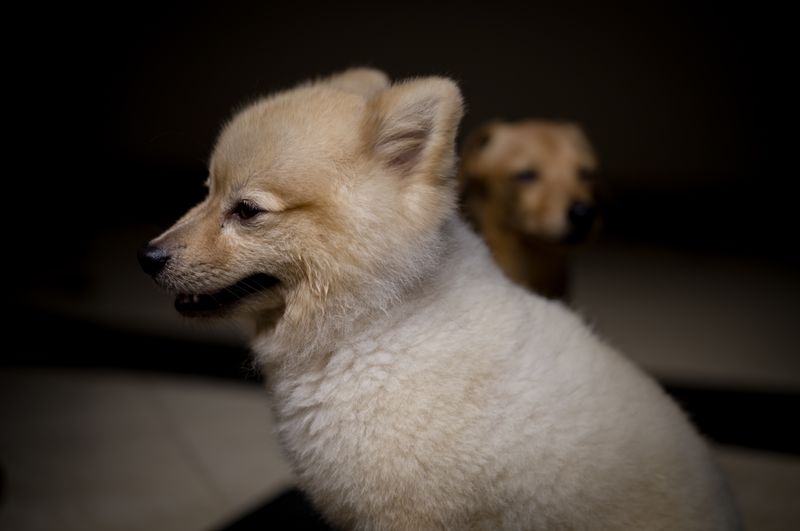
The kibble sat in the bowl for four days. Not untouched (she'd walk up, sniff it, and look at me like I'd served her a bowl of gravel. My four-year-old terrier mix, Pepper, had eaten the same food happily for three years. Then one Tuesday she just stopped, and for the next month every meal turned into a standoff that I was losing.)
I started buying things. A new bag of the food she used to like, then a different brand, then a well-reviewed salmon formula. I warmed it. I stood in the kitchen coaxing her like a hostage negotiator. She'd eat maybe a quarter of a cup, then walk away, and I'd spend the rest of the evening worrying about how little she was getting. When she finally did eat something, I was so relieved I'd hand her a treat on top of it. Which, as it turns out, was teaching her exactly the wrong lesson.
Why This Happens
Here's the thing I wish someone had told me at the start: healthy dogs do not starve themselves on purpose. A truly healthy dog who is offered a decent food will eventually eat, often out of sheer hunger, within a day or two. So the first move is always the same (rule out a medical reason. Dental pain, nausea, a swallowed object, a gut issue, or a metabolic problem can all kill an appetite, and I'd be lying if I said I didn't put off that vet visit longer than I should have.)
Once my vet checked Pepper over and cleared her, the problem turned out to be behavioral, and it had two driving forces. The first was free-feeding. I had left food down all day, so she never experienced real hunger and never felt the mild urgency that makes a meal worth eating. Why finish the kibble when there's a full bowl waiting at 3 p.m., and a human standing by, ready to panic and upgrade me if I hold out long enough?
The second force was me. Every time I swapped foods, warmed things up, or sprinkled cheese on top, I was reinforcing the refusal. In behavior terms, I had accidentally taught her that not eating is the fastest way to get something better. Picky eating in dogs is very often a habit the owner trains without meaning to, and I had trained Pepper beautifully.
What I Tried First — and Why It Didn't Work
I cycled through brands. Each new bag worked for exactly one meal, and then she'd turn her nose up at it too. I was training her to reject a food the moment it stopped being novel, the opposite of what I wanted.
I started cooking. Boiled chicken, rice, a little pumpkin. She demolished it, of course, but now she'd stare at plain kibble like it was an insult, and my vet gently pointed out that home-cooked meals without a board-certified nutritionist behind them are usually unbalanced. I wasn't fixing anything; I was making the problem more expensive.
I tried the guilt approach, standing there, waiting, sighing. Pepper is a dog, so the only thing she learned was that mealtime was when her human got nervous. I was feeding my own anxiety, not her.
What Actually Worked
The turnaround started with structure, and it felt mean for about two days. I put the bowl down at two fixed times a day, gave her fifteen minutes, then picked it up whether it was empty or not. No grazing, no topping it up, no drama. A healthy dog will not let herself go without eating, and within a day and a half Pepper was meeting me at the bowl. Hunger is not cruelty, it's how a normal appetite works.
The second piece was making the meal worth the trip. Instead of piling extras on top of free food, I made the better stuff part of the meal and stopped using it as a bargaining chip. Which is where the lick mat came in. I started smearing a little canned food or pureed pumpkin mixed with water onto a ChefAide 2 Pack Lick Mat for Dogs, Cats & Puppies, and the suction cups hold it flat on the kitchen floor while she works at it. Here's why it helped beyond the novelty: licking is a soothing, slow behavior, so a dog who eats by licking tends to stay at the bowl longer instead of gulping and leaving. It turned a thirty-second meal into a five-minute one, and the more time she spent with food, the less automatic the refusal became. Having two of them meant one was always clean.
I also stopped hovering. I dropped the bowl, walked into the other room, and let her eat without an audience. And I made one small, non-essential change that quietly helped me more than her: I put a The Unique Gardener Moss Bowl Terrarium Kit at the end of the counter by her bowl. It sounds ridiculous to connect a plant to a feeding problem, but the truth is that dogs read human tension far better than we'd like to admit, and that little green corner gave me something calm to look at instead of standing there counting every bite she didn't take. When I stopped radiating worry over the bowl, mealtimes stopped feeling like a test.
One more thing: I switched her to a fixed, decent-quality food and stopped rotating it. Boring, consistent, same bowl, same spot, same times. Dogs do beautifully with boring.
What I'd Tell Someone Starting Today
Go to the vet first. I mean it. If your dog suddenly stops eating, especially if there's vomiting, weight loss, bad breath, drooling, or a change in how she drinks. That 's a medical question, not a feeding-strategy question, and no trick in this article substitutes for an exam.
If the vet clears her, then commit to the boring version: fixed meal times, fifteen minutes, bowl goes up, no toppings-as-bribes, no rotating brands, no audience. Pick one good food and make peace with the fact that she'll test you for a couple of days. Then add the slow feeder if you want to stretch the meal out and make it satisfying. Pepper eats every meal now, on schedule, and the four-day kibble sit-in is a story I tell at the dog park. The fix wasn't a fancier food. It was me getting out of her way.
This post may contain affiliate links. If you buy through one of them, we earn a small commission at no extra cost to you.