
The Vacuum Wasn't Finding the Shed. I Stopped Wearing Black After the Third Brush.
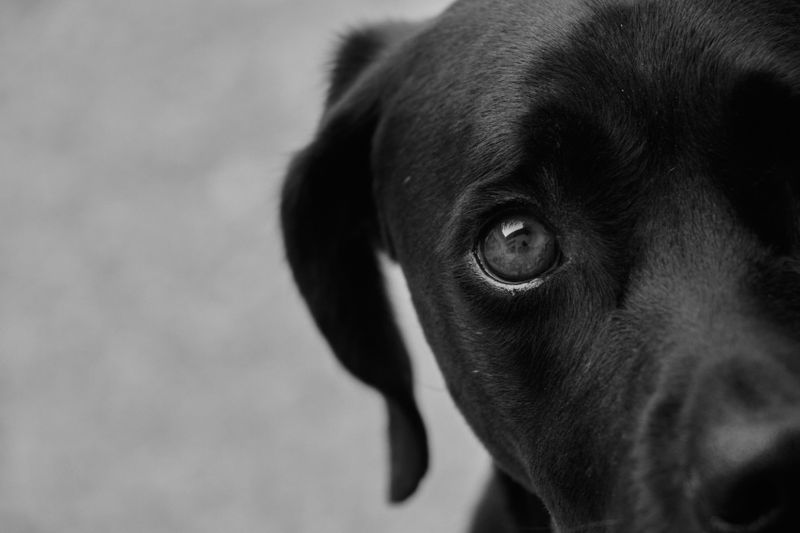
The first time I ran a proper deshedding tool down my dog's back, I got enough fur to build a second, smaller dog. I'm not exaggerating for effect. It came off in sheets, like the undercoat had been waiting its whole life for someone to ask. And the strange part is that I'd been brushing her for years, or what I'd been calling brushing, which was really just skimming a slicker over the top and calling it done.
That's the thing about shedding. It's not one problem, it's two, and they need different tools. There's the hair that's already loose and landing on your floor, and there's the hair that's still packed into the undercoat, waiting to become next week's floor hair. Most of us fight the first and ignore the second. That's why "I brush her every day" and "my house is still full of fur" can both be true at once.
Why This Happens
Shedding is normal, but the amount is not fixed. It's driven by day length, temperature, coat type, nutrition, and stress, in roughly that order for most dogs. Double-coated breeds. Huskies, shepherds, collies, most of the fluffy ones, blow their coat twice a year in a short, violent burst, and then shed steadily the rest of the time. Single-coated breeds just shed a steady amount year-round, which people misread as "my dog doesn't shed much" right up until they buy a black couch.
Here's the part that changed how I think about it: the loose hair sitting in the undercoat is a problem for the dog, not just for you. It traps heat, it can mat against the skin, and it stops air from moving through the coat, which is exactly the opposite of what a coat is supposed to do. A dog that's chronically under-brushed runs warmer, itches more, and gets more skin irritation under all that trapped fluff. So brushing isn't a cosmetic chore you do for your floors. It's maintenance on a living system.
The nutrition angle is real too, and it's the one people skip. Guard hairs and undercoat are made of protein and fat. A dog on a diet that's short on quality protein or omega fatty acids will shed more, and the coat will look dull and brittle on top of it. I spent two months blaming my brushes when half the problem was the cheap kibble I'd been feeding.
What I Tried First — and Why It Didn't Work
My first tool was a basic bristle brush, the kind that looks like a human hairbrush. It's fine for surface tidying and completely useless for undercoat. It glided over the top, made everything look neat, and removed almost none of the fur that was actually the problem. I might as well have been petting her with a piece of wood.
Then I bought a slicker brush, which is the wire-pin one everybody owns. Better, but still mostly surface-level on a double coat. Slickers are designed for detangling and finishing, not for pulling dead undercoat out of a dense layer. Using one to deshed is like using a rake to dig a hole, the motion is right, the tool is wrong, and you'll exhaust yourself before you make progress.
My third mistake was over-bathing. I figured if she was shedding, washing the loose hair out would help. It made things dramatically worse. Frequent baths strip the natural oils that keep the coat healthy, the skin dries out and compensates by producing more oil, and you end up with a dog that smells worse than before and sheds just as much. A bath is not a deshedding strategy. It's a thing you do after the deshedding.
What Actually Worked
The breakthrough was getting the right tool for the layer I was actually dealing with. For a double coat, that means an undercoat rake or a proper deshedding tool with teeth that reach below the topcoat and pull the dead underlayer out without cutting the guard hairs. The difference was immediate and honestly a little disgusting. The first session produced a pile the size of a pillow.
The technique matters as much as the tool. You work with the grain, in short strokes, from the hindquarters forward, and you don't press. If you're scratching skin, you're pressing too hard and you'll irritate her. You also stop when the tool stops bringing up fur, that's your signal the undercoat is clear, and continuing just pulls at healthy coat. I do it in fifteen-minute sessions, twice a week during a blow, once a week the rest of the year.
I added a rubber curry brush for the bath, because wet fur releases in a completely different way. Running the curry in circles while the conditioner sits lifts an astonishing amount of loose hair that would otherwise dry onto your furniture. It's the single highest-yield five minutes of the whole routine.
The last piece was changing her food. I moved her onto something with a named meat as the first ingredient and added a fish-oil supplement for omega-3s. Six weeks later the coat had a shine it hadn't had in years, and the steady background shedding dropped noticeably. That one change did more for the "fur on everything" problem than any brush, and I'd spent months avoiding it because it cost more per bag.
What I'd Tell Someone Starting Today
Match the tool to the coat, not to the shelf. If your dog has an undercoat, buy a deshedding rake and stop expecting a slicker to do the job. Brush in short, gentle strokes, stop when the tool comes up empty, and don't over-bathe (you'll make it worse. Then look at the food, because a coat that's shedding hard and looking dull is often a diet problem wearing a grooming costume.)
I still find fur on things. It's a dog, not a robot. But it went from "I can't wear black" to "I keep a lint roller in the car," and that's a real difference in how the house feels. The vacuum was never going to win that fight. The right rake did.
This post may contain affiliate links. If you buy through one of them, we earn a small commission at no extra cost to you. Prices are approximate and change over time.