
My Dog Sheds So Much I've Stopped Wearing Black — I Finally Got It Under Control
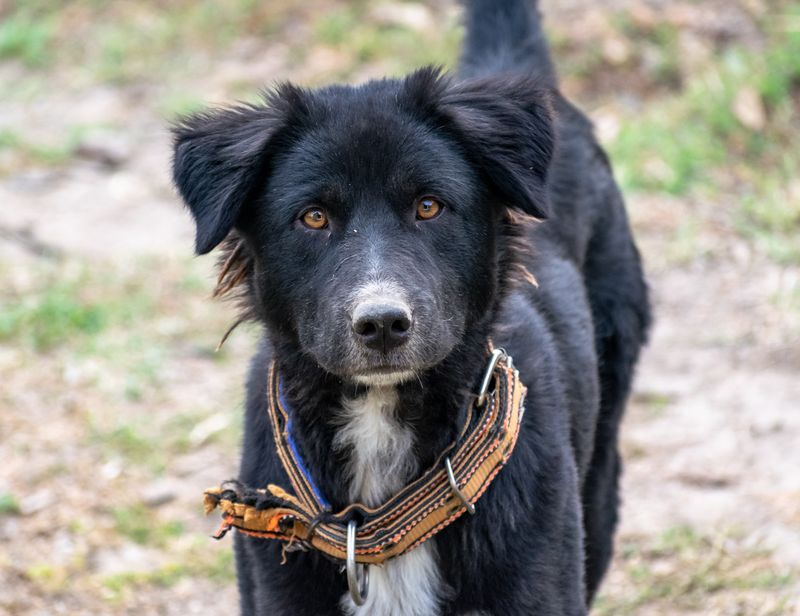
I own three lint rollers and keep one in every bag I carry, which tells you most of what you need to know about life with a husky-shepherd mix named Finn. I gave up black clothing almost entirely. The hair drifted across the floor in slow-moving clumps, collected in the corners like dust bunnies with opinions, and I once pulled a tumbleweed of it out from under the couch that was honestly the size of a small cat.
The breaking point was not the fur on my clothes. It was fishing a long gray strand out of my mouth while eating dinner at my own table and realizing I had stopped even noticing when it happened. So I decided to actually solve it instead of just living around it, and what I found is that shedding isn't something you can fight, it's something you manage, and a lot of what I was doing was making it worse.
Why This Happens
Finn is a double-coated breed, which means he has two layers of fur doing two different jobs. The stiff outer guard hairs shed some, but the real avalanche is the undercoat, the soft, dense layer packed close to the skin. Double-coated dogs have two big seasonal "blows," usually in spring and fall, and the trigger is daylight more than temperature. Between those blows, they shed a steady stream year-round, which is what I was seeing every single day.
Here's the piece that took me forever to understand: the fur all over my furniture is the undercoat, and a regular brush skims over it. You can brush the top of a double coat until your arm falls off and the loose stuff underneath never comes up, because it's trapped against the skin. To make a dent, you have to reach that layer. That's why the cheap brush in my closet did nothing.
Shedding is also a health readout. A dull, brittle coat and way more shedding than usual can point to a poor diet, a skin problem, or a thyroid issue. And there's a counterintuitive trap: bathing too often strips the natural oils a healthy coat needs, which leaves skin dry and itchy, and a dry, itchy dog sheds more. So both what I fed him and how I groomed him mattered.
What I Tried First — and Why It Didn't Work
I shaved him. It was mid-summer, I was overwhelmed, and it seemed logical. It was a disaster. A double coat insulates in both directions, the undercoat that keeps a dog warm in winter also shields the skin from sun, so shaving removed his protection, he got sunburned across his back, and the coat grew back patchy and coarse. Groomers and vets warn against shaving double coats for exactly these reasons, and I learned it the expensive way.
Then I started bathing him every week, thinking clean dogs shed less. The opposite happened. All those baths dried out his skin, and within a couple of weeks he was scratching constantly and shedding more than ever. I was scrubbing away the very oils holding his coat together.
My third attempt was a cheap bristle brush from the grocery store. It made the surface of his coat look tidy, which felt productive, but the undercoat stayed matted against his skin and every bit of loose fluff still ended up on the couch. I was polishing the problem instead of removing it.
What Actually Worked
The real fix started with the right tool and a boring weekly schedule. An undercoat rake, followed by a slicker brush, used once a week, outside, working with the direction of the coat instead of against it. The first session was genuinely absurd. I filled a grocery bag with fur and Finn looked like a different dog. The difference between a rake that reaches the undercoat and a brush that skims the top is the entire ballgame. Do it outside, and do it before the hair becomes airborne.
I also changed what I fed him. I added a daily omega-3 fish oil and moved him onto a decent, complete food, and over about two months his coat got visibly shinier and the year-round shedding slowed down noticeably. A healthy coat holds its fur better; a dry, under-nourished one lets it go. I cut the baths back from weekly to every six to eight weeks, and when I do bathe him I finish with a high-velocity dryer, because the blowout pushes out a shocking amount of loose undercoat that no brush can reach by itself.
The missing piece was handling. To really de-shed a fluffy dog, you have to run your hands over every part of him, every day, and Finn used to tense up and mouth my wrist the second I got near his face. I started using a Jasper Dog Toothbrush, the 360° finger toothbrush, for the daily once-over, because the soft silicone works into the short, tight hair on his muzzle, ears, and legs that the rake simply can't get to, and it lifts fine fur off places a big brush would just irritate. The unexpected bonus is that the same little tool on his teeth cleaned up his breath, which I'd been ignoring for years. I began with the two-pack, then picked up the four-pack so there's always a clean one on each floor and one drying by the sink.
What I'd Tell Someone Starting Today
Never shave a double-coated dog. I know it's tempting in July, and I know some groomers will do it if you ask, but it removes a system the dog needs and the coat often doesn't recover cleanly. Instead, commit to twenty minutes with an undercoat rake once a week, every week, forever. Consistency beats intensity here every time.
Don't over-bathe, and don't underestimate diet, a good food and a little fish oil can do more for shedding than any gadget. And if the shedding is sudden, extreme, or comes with bald patches, an itchy dog, or a sudden change in weight or energy, that's a vet conversation, not a grooming one. Finn still sheds, he's a husky mix, that's never changing, but a weekly ritual that takes twenty minutes replaced a daily losing battle, and I've started wearing dark jeans again.
This post may contain affiliate links. If you buy through one of them, we earn a small commission at no extra cost to you.