
The Smell That Wouldn't Go Away — Even After I Cleaned It
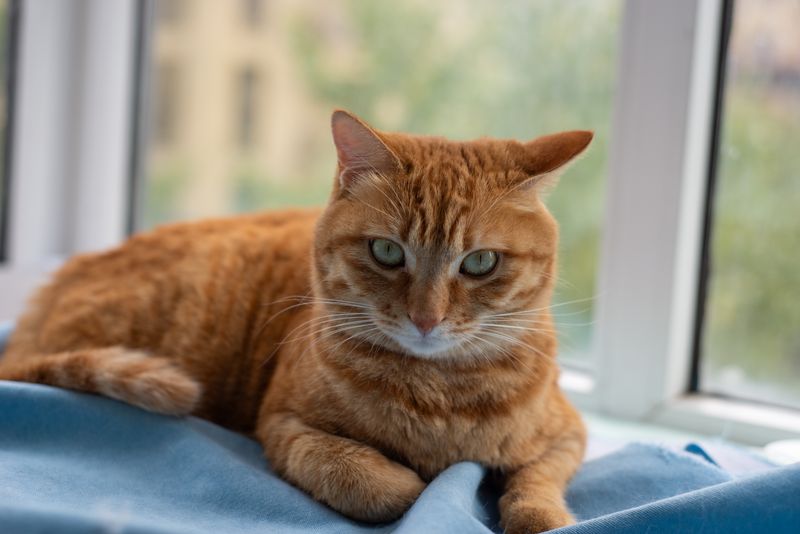
I came home from a week at my sister's and the smell hit me at the front door before I'd even put my keys down. It wasn't the litter box. It was a damp, sour, unmistakable pet smell that seemed to live inside the apartment itself, and it had clearly been building the whole time I was gone. My cat, Clementine, ran to greet me, and I stood in my own living room feeling like a stranger in a place I'd kept spotless for months.
So I cleaned. I vacuumed, I scrubbed the carpet with soapy water, I sprayed everything with a floral air freshener, and for about two days the apartment smelled like a cheap candle instead of a kennel. Then the weather warmed up, the humidity came back, and the smell came right back with it (that same sour ghost, rising out of the rug in the guest room. I cleaned harder and it got worse. It took me embarrassingly long to understand I was fighting the wrong enemy entirely.)
Why This Happens
The reason pet odor "comes back" after you clean it is chemistry, not laziness. When a pet pees, the liquid dries but leaves behind uric acid crystals that bond to carpet fibers and soak into the padding and the subfloor underneath. Those crystals are basically dormant until moisture hits them, humidity, a spilled drink, even a steamy shower, and then they re-hydrate and release that smell all over again. That's why the smell peaks on warm, damp days and vanishes in dry cold ones. You didn't miss a spot. You missed a chemical.
This is also why standard cleaning products fail. Soap, disinfectant, and vinegar lift some surface residue, but they can't break down the uric acid crystals, and neither can bleach, which, by the way, is a genuinely dangerous thing to mix with urine, because the ammonia in pet waste can react with bleach to release toxic gas. All the scrubbing in the world doesn't destroy a crystal it can't reach. You need enzymes, which are proteins that literally eat the compound and break it apart.
And then there's the part almost nobody wants to confront: an odor that keeps returning in the exact same spot usually means the pet is still going there. For cats especially, repeat marking is often stress-driven, and in cats it can also signal a urinary tract problem. So killing the smell is only half the job, you also have to address why it's being created.
What I Tried First — and Why It Didn't Work
Bleach, because bleach kills everything. It bleached my rug and made the room smell like a pool, and it did nothing for the crystals underneath. I didn't know at the time how dangerous it could be combined with urine's ammonia, and I'm genuinely grateful nothing happened beyond a headache and a ruined carpet remnant.
Then the steam cleaner, which felt like the professional move. Here's the trap: heat can set protein-based stains, and a carpet cleaner used without an enzyme treatment mostly just pushes water deeper into the pad, where it reactivates the uric acid and grows a musty undertone on top of the urine smell. I was feeding the problem moisture it loved.
My third brilliant idea was to hide it. A new rug over the spot, a couple of scented candles, a plug-in air freshener in the hallway. Every one of those was a mask, not a fix, and a guest walking in could still smell the difference between "clean" and "covered." I had been treating a symptom for weeks.
What Actually Worked
The fix started with light. I borrowed a UV blacklight and walked the whole apartment with the lights off, and I found spots I never would have guessed, a faint ring near the baseboard I'd assumed was shadow, a patch under the guest bed, the old corner behind the couch where a previous resident's pet had clearly been. That map changed everything, because surface cleaning only ever touches the spots you can see.
Then I stopped using everything except an enzyme cleaner, and I used it properly this time. You don't spray and wipe, you saturate the area, including the padding underneath, and you let the enzymes sit wet for a good ten to fifteen minutes so they can actually break the crystals down, then blot rather than scrub. The one that finally worked for me is Rocco & Roxie Extreme Enzyme Stain & Odor Eliminator Spray. It's an enzyme formula, which is the whole point, and on the old stains I did two or three passes over a week, letting each dry fully between treatments. The guest-room ghost smell that had survived six months of cleaning didn't come back after the second treatment, which honestly felt like a magic trick until I understood it was just chemistry doing what bleach couldn't.
But enzymes only kill the smell; they don't stop it from happening again, and here's where the second product and the real behavior fix came in. Clementine's repeat accidents were happening when she was home alone and anxious, so the smell and the source were the same problem. I added a calming routine to her departures, and the tool that helped most was a LUKITO Lick Mat for Dogs & Cats, the two-pack with the suction cups. I smear it with a little wet food and stick it to the floor tile right before I leave, and the licking gives her a soothing, nose-down activity at the exact moment my absence used to spike her stress. Fewer anxious accidents meant fewer new stains, and the apartment finally stopped renewing its own supply of that smell. Two things, working together: kill what's there, and stop making more.
What I'd Tell Someone Starting Today
Get a blacklight before you get any cleaner. You cannot fix a spot you haven't found, and the hidden ones are always the ones causing the smell. Then use a real enzyme product and follow the dwell time, saturate, wait at least ten minutes, blot, let it dry, repeat on older stains. Throw out the bleach idea entirely and never mix it with anything urine-related.
And deal with the why. If the same spot keeps getting used, that's your pet telling you something, anxiety, a dirty litter box, a new stressor in the house, or a medical issue, especially in cats. Fix the source and the smell stops coming back. My apartment smells like nothing now, which sounds like a strange thing to be proud of, but after a week of coming home to that ghost smell, "like nothing" is exactly the goal.
This post may contain affiliate links. If you buy through one of them, we earn a small commission at no extra cost to you.