
I Found a Fledgling on My Patio and Almost Killed It With Kindness
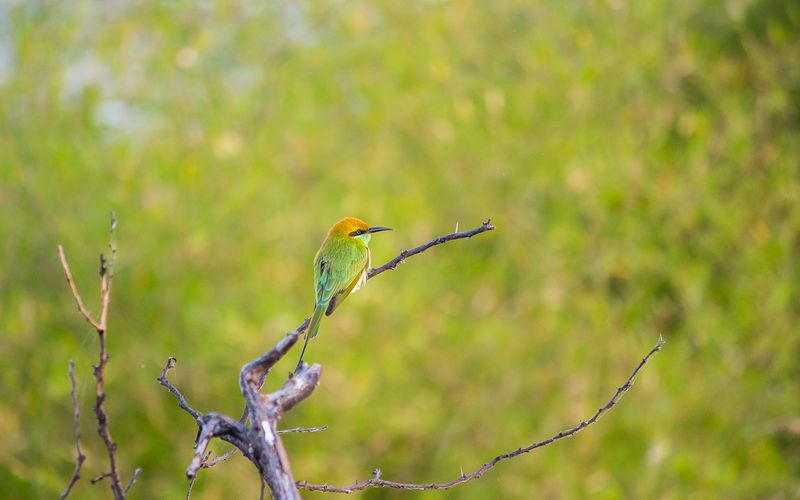
Last June I stepped onto my patio and found a scrappy ball of feathers flopping around beside the watering can, no nest overhead, no parent in sight, wings half-open, beak shut. My heart did the thing a pet person's heart always does. Rescue mode. I scooped it into a shoebox, carried it indoors, and told myself I'd just saved its life. I had actually done the single most dangerous thing you can do to a baby bird.
It took an embarrassing afternoon of reading before the words "fledgling" and "nestling" finally clicked, and by then my shoebox guest was stressed and refusing the bread-and-milk mush I'd offered. I got it right in the end, and the bird went back outside and (as far as I could tell, lived. But I made nearly every mistake first, and most of them grew from one wrong assumption: that "alone on the ground" means "orphaned." It almost never does.)
Why This Happens
Everything hinges on telling a nestling from a fledgling, because what you should do next depends entirely on which one you have. A nestling is genuinely helpless (mostly bare skin or pin feathers, eyes closed or barely open, unable to stand. Find one of those on the ground and it fell; it needs real help. A fledgling is a different creature: fully feathered, hopping, mouth closed, eyes bright. It left the nest on purpose, days before it can fly, and the ground is exactly where it belongs.)
Fledglings spend their first days out of the nest on and near the ground, flapping and hopping in shrubs while their parents feed them from above. The parents are almost always right there, watching you, holding back because a human hovering over the baby reads as a predator. Watch from far enough away and you'll usually see an adult drop in with food every fifteen or twenty minutes. A baby that seems abandoned for an hour is not abandoned; it's being parented from a safe distance.
The other half of the problem is our feeding instinct. People offer bread, milk, water, whatever's handy, and all of it can hurt a bird. Insect-eating nestlings need insects, not bread. Birds can't digest milk. And a fledgling still being fed by its parents doesn't need you to feed it at all. The same reflex that makes us grab a "lost" baby is the one behind tossing bread to ducks and pouring red-dyed sugar water into hummingbird feeders, two more ways good intentions backfire.
What I Tried First — and Why It Didn't Work
My first move was the box. Shoebox, grass, holes poked in the lid, bird kept indoors while I "figured out the next step." That's the mistake that does the most damage. Not out of cruelty, but because I removed a fledgling from the only environment it needed and turned a normal rite of passage into a stress event. The right move, which I now know cold, was to set it back exactly where I found it and walk away.
Next I tried to feed it. Bread and warm milk, then soaked kibble, then water from an eyedropper, convinced it must be starving. It was neither hungry nor thirsty the way I imagined, it was terrified, and it refused everything. That refusal was the only thing that went right all day. Its parents were almost certainly still feeding it; I simply hadn't stayed far enough back for long enough to see them do it.
Then I tried to find the nest so I could return the bird "where it belonged." I never found one, and it turned out not to matter, putting a fledgling back in a nest is pointless, since it will just hop out again. That dead end did at least force me to stop and actually research what I was holding, which is where the real fix started.
What Actually Worked
The solution was mostly about doing less, in the right order. I confirmed what I had, feathered, hopping, mouth closed, a fledgling. Then I carried the box back out and placed the bird deep inside a dense, low shrub a few feet from where I'd found it, tucked into cover and up off the open ground. Then I went inside and shut the door.
The second piece is where being a pet owner actually mattered. The real danger to a grounded fledgling wasn't weather or worried parents, it was my dog and the neighborhood cats. I kept the dog leashed near that garden bed for about a week and shooed the cats off, and that was genuinely the difference between a fledgling that made it and one that became somebody's afternoon.
Third, I learned the one case where you do step in: a nestling, or any bird that's clearly injured, a broken wing, a cat bite, visible blood. For those, the answer isn't a blog post, it's a licensed wildlife rehabilitator, and my state's rehab hotline now lives in my phone. The old warning that a parent rejects a baby that smells like you? A myth. If a fallen nestling's nest is within safe reach, put it back.
The longer-term lesson crept into how I run the whole yard. A safe yard is a well-fed yard: window decals to stop strikes, clean water, and food that genuinely helps birds instead of the stale bread most of us put out. That's where I fixed a mistake I'd been making for years without knowing it, feeding hummingbirds dyed, pre-mixed red nectar. I switched to Happy Wings 4LB Natural Unflavored Hummingbird Nectar Powder, a plain concentrate with no red dye and nothing artificial, mixed fresh at the correct ratio. Clean, correctly mixed nectar matters more than people assume; dyed product and a moldy feeder are a quiet, common way to hurt the birds you're trying to help.
I also stopped treating the feeder like a set-and-forget decoration. It gets rinsed every few days and scrubbed with hot water weekly, more in summer, because sugar water ferments fast and a dirty feeder spreads disease through an entire flock. Between clean nectar, the decals, and keeping the dog clear during fledgling season, my little backyard went from hazard to habitat.
What I'd Tell Someone Starting Today
If you find a baby bird today, identify it before you touch a thing. Feathered and hopping means leave it, watch from a distance, keep pets away. Bare and helpless means it fell, put it back in the nest if you can safely reach it, and if you can't, or it's hurt, call a rehabilitator instead of improvising. The box-and-kitchen routine is the one move that turns a fine situation into an emergency.
And resist the urge to feed, the fledgling on your patio and the birds at your feeder alike. No bread, no milk, no dyed nectar. If you're feeding hummingbirds, mix a clean unflavored concentrate correctly and wash that feeder like you mean it. With wildlife, doing less and doing it right is almost always the answer.
This post may contain affiliate links. If you buy through one of them, we earn a small commission at no extra cost to you.