
My Terrarium Was Crawling With Maggots and Springtails (How I Finally Got It Clean)
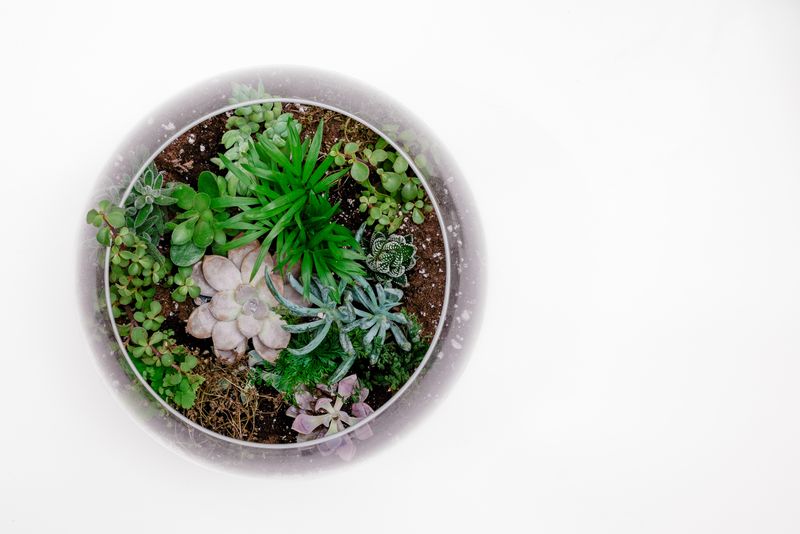
The morning I lifted the lid on my terrarium and saw white worms writhing through the soil, I did the only reasonable thing: I slammed the lid shut and backed away like it was radioactive. I'd built that little planted box six months earlier and had been genuinely proud of it. Now it looked like a science experiment gone wrong, and I could not figure out what I'd done to turn a tidy green ecosystem into a maggot nursery.
The answer, it turned out, was that I'd done it with food. A few weeks earlier I'd read that a bioactive setup needs a cleanup crew, so I started dropping soft fruit in to feed the isopods and springtails. I was basically running a tiny compost bin with a glass lid. What showed up is exactly what shows up in any compost bin left too wet and too rich: fruit fly larvae, an exploding springtail population, and a smell I could not scrub out of the shelf it sat on.
Why This Happens
The maggots were fruit fly larvae, and they were a direct consequence of the fruit. Any overripe piece of produce, a wedge of banana, a soft strawberry, invites adult fruit flies to lay eggs, and those eggs hatch into the writhing white larvae I found. Warm, humid terrarium air speeds the whole cycle up, so a single forgotten piece of fruit can become hundreds of maggots in under a week.
The springtails were a different story, and I misjudged them badly at first. They're not pests at all, they're beneficial microfauna that eat mold, fungus, and decaying plant matter, and a healthy bioactive setup is supposed to have them. The problem wasn't that they existed; it was that they were carpeting the glass, which only happens when there's far more food and moisture available than the ecosystem needs. An overpopulation of springtails is a symptom, not the disease.
What's really going on underneath all of it is imbalance. A terrarium is a closed system, so everything you put in eventually breaks down somewhere. I was adding rich food and keeping the soil constantly damp with no airflow, which is the perfect recipe for anaerobic decay, the sour, swampy smell that lingered even after I wiped everything down. Fix the input and the moisture, and the whole chain collapses back to normal.
What I Tried First — and Why It Didn't Work
First I rinsed the substrate, thinking I could wash the bugs away. Flooding an enclosed terrarium is about the worst thing you can do: it drove the moisture up further, soaked the drainage layer, and gave the surviving larvae a wetter, happier home. I traded one problem for a bigger one.
Next I bought a fresh culture of springtails and dumped them in to "outcompete" the pests. They didn't outcompete anything, they multiplied, because I was still overfeeding. Adding more cleanup crew to an overfed, overwatered terrarium is like hiring more janitors for a building where someone keeps emptying the trash onto the floor.
Then I went the chemical route, sort of: I set vinegar traps around the shelf and wiped the glass daily. That caught some adult flies but did nothing to the larvae already buried in the soil, and it left the underlying decay untouched. The smell actually got stronger each day, because I was treating the symptom I could see and ignoring the rot I couldn't.
Finally I tried to just live with it, which lasted about three days. The population kept climbing and dark mold started spreading across the back wall. That's the point where I admitted the setup needed to be taken apart, not nudged.
What Actually Worked
The first real fix was subtraction. I stopped adding fruit entirely and threw out every scrap of it, along with the top inch of substrate where most of the larvae and eggs were concentrated. From then on the cleanup crew got leaf litter and the occasional pinch of fish food. Nothing sweet, nothing rotting. The maggot problem never came back, because I'd removed the thing that created it.
Second, I dried the system out. I stopped misting for two weeks and left the vents wide open so the top layer could actually dry. Springtails and isopods tolerate a drying surface fine; fruit fly larvae don't. The population of springtails settled down on its own once the food and moisture matched what the ecosystem could handle, which told me the imbalance was finally gone.
Third, I gave the setup a proper deep clean with real tools instead of fingers and paper towels, long tweezers to pull decaying leaves out from between plants, a scraper for the glass, and a soft brush for the hardscape. Working under the soil line without uprooting everything was only possible with the right instruments, and it's what let me clear the decay at the source rather than just the surface.
Fourth, I dealt with the smell that had soaked into the shelf and the floor beneath the terrarium. Ordinary spray cleaner just perfumed over it and the funk came back within a day. What finally killed it was an enzymatic cleaner, Nature's Miracle Dog Stain & Odor Remover, because enzymes break the organic residue down instead of masking it. Once the surface was genuinely clean, the whole corner stopped smelling like a swamp.
And one small thing made the deep-clean day survivable: while I was up to my elbows in substrate on the kitchen counter, my dog kept trying to investigate. I smeared wet food into a LUKITO Lick Mat and stuck it to the tile, and he licked happily through the entire operation instead of nosing into the mess. It's a tiny detail, but an hour of uninterrupted cleaning is worth a lot when you're trying to knock out a maggot bloom in one pass.
What I'd Tell Someone Starting Today
Feed less and water less than you think. The pests that scare people in a terrarium. Springtails, fungus gnats, the occasional maggot (are almost always a response to excess food and excess moisture, not an invasion from outside. If you see a boom, look at what you've been putting in, not at what needs killing. Springtails in particular are your friends; a carpet of them just means you're overfeeding.)
Keep a minimal, disciplined routine: leaf litter instead of fruit, a drying surface between waterings, good airflow, and a toolkit that lets you clear decay before it spreads. And when something rotten has soaked into the shelf or the floor, reach for an enzymatic cleaner and let it work, because that's the only thing that removes the source rather than the smell. Six months on, my terrarium is thriving again, and the only white things on the glass now are springtails doing their job.
This post may contain affiliate links. If you buy through one of them, we earn a small commission at no extra cost to you.