
White Fuzzy Mold Took Over My Terrarium — Here's How I Actually Beat It
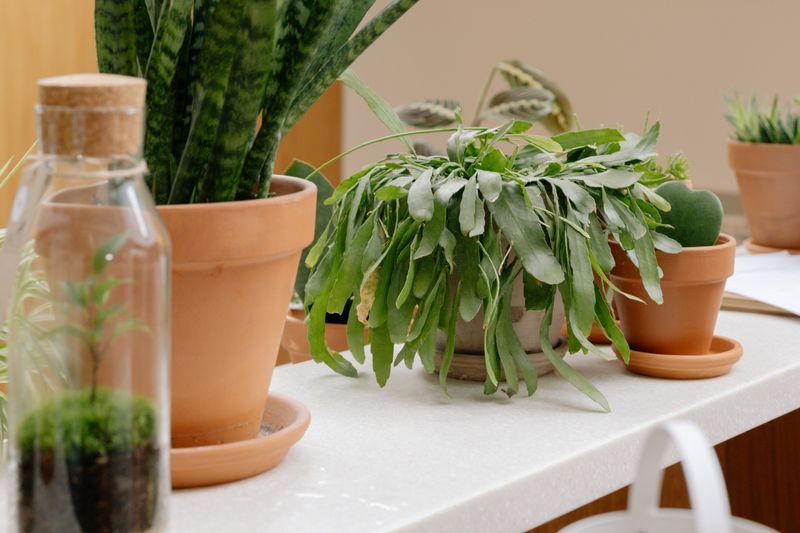
The mold showed up on a Tuesday, and by Friday it had a personality. I came home to find a web of gray-white fuzz spreading across the surface of my terrarium soil, crawling up the base of my little fern, and dusting the moss like a bad snowfall. It looked apocalyptic. I had spent weeks carefully building this thing, and now it seemed like it was being consumed from the inside out.
Here is the thing that took me an embarrassing amount of trial and error to learn: terrarium mold is almost never a mold problem. It is a moisture and airflow problem wearing a mold costume. Once I understood that, I stopped fighting the fuzz and started fixing the actual cause, and it never came back.
Why This Happens
Mold spores are already in your setup. They are in the soil, on the moss, on the bark, in the air of your house. You cannot sterilize them away, and you should not try to. Mold only blooms when the conditions let it, a substrate that stays soaked, a sealed container with no air exchange, and a steady supply of dead plant matter to feed on. Give it damp, stagnant, and warm, and you get fuzz within days.
In a closed terrarium, the biggest trigger is overwatering. When the soil is waterlogged, the top layer never dries, and that perpetually wet surface is a perfect mold nursery. The second trigger is airflow. A sealed jar that never gets opened holds still, humid air, and mold loves still air. The third trigger is dead material, a dying leaf, a bit of uneaten plant matter, sitting against damp soil, which is mold's favorite meal.
It helps to know what you are actually looking at. The common white fuzz is usually harmless surface mold, not the terrifying kind. It sits on top, it is fluffy, and it means your conditions are off. Mushrooms, by contrast, are structured and often fine. The fuzz is the signal to adjust moisture, not to declare war on all life in the jar.
What I Tried First — and Why It Didn't Work
My first move was to spray it with a diluted hydrogen peroxide mix, because a forum said mold hates it. It worked for a day. The fuzz went away, and then it came right back, because I had sprayed the surface without touching the waterlogged soil underneath. I had treated a symptom and left the cause sitting there, soaked, waiting to bloom again.
Then I did the thing everyone does: I sealed the lid tighter, thinking the mold had gotten in from outside. That made it dramatically worse. A tighter seal meant even less air exchange, even more stagnant humidity, and the fuzz exploded within two days. I had given mold exactly what it wanted and called it a solution.
My third failure was scraping the top layer of soil off entirely and replacing it. That looked clean for about a week, and then the mold returned, because the real problem. A substrate that stayed saturated all the way down, with no drainage and no airflow. Was still completely intact. I was redecorating a swamp.
What Actually Worked
What finally worked was fixing the environment, not the surface. The first step was to dry things out correctly. I opened the lid and let the setup air for a couple of days until the top layer of soil felt barely moist rather than wet, and I stopped misting entirely. Overwatering is the number one cause, and the cure is boringly simple: let it dry.
Next, I fixed the airflow and the water cycle from the foundation up. For my open-top setups, a small clip-on fan that runs a few hours a day moves just enough air to keep the surface from staying damp. For the sealed ones, a proper layering kit with a real drainage zone and a charcoal layer made an enormous difference, because the water finally had somewhere to go instead of pooling in the soil. That combination kit, pebbles, charcoal, soil, moss. Is the single most useful purchase I made for this hobby.
Third, I added a cleanup crew. Springtails are tiny, harmless, and they eat mold, fungal threads, and decaying plant matter as their actual job. I introduced a culture of them, and they quietly grazed the problem down over about two weeks. Combined with the drier soil and the better airflow, the fuzz stopped coming back, because now something was eating it faster than it could establish.
Fourth, I got ruthless about dead plant matter. Any browning leaf, any dying stem, any fallen bit sitting on damp soil was feeding the problem. I started removing dead material gently with long tweezers the moment I saw it, which also meant I had to check the setup more often than I used to. The upkeep is small, but it is the difference between a stable jar and a recurring bloom.
Terrarium Kit with Live Moss & Springtails
Pebbles, charcoal, and soil that give water somewhere to go, the foundation that stops mold at the source.
Check price on AmazonGlass Terrarium with Drainage Layer
A live culture that eats mold and decay, plus the long tweezers you need to lift out dead plant matter.
Check price on AmazonWhat I'd Tell Someone Starting Today
If you are looking at fuzz right now, resist the urge to spray, seal, or scrape. Instead, open the lid, let the surface dry, and check whether water is pooling in the substrate. Fix the drainage, add airflow, introduce springtails, and pull out the dead bits. Do those four things and the mold usually loses on its own within a couple of weeks.
Going forward, water less than feels right, check the glass for heavy condensation, and remove dead plant matter before it becomes food. My setup has been fuzz-free for six months now, and the moss looks better than it did before I ever had a problem, because a well-drained terrarium is a healthier terrarium all around.
This post may contain affiliate links. If you buy through one of them, we earn a small commission at no extra cost to you.