
I Adopted Two Kittens on Impulse. Littermate Syndrome Almost Broke Me
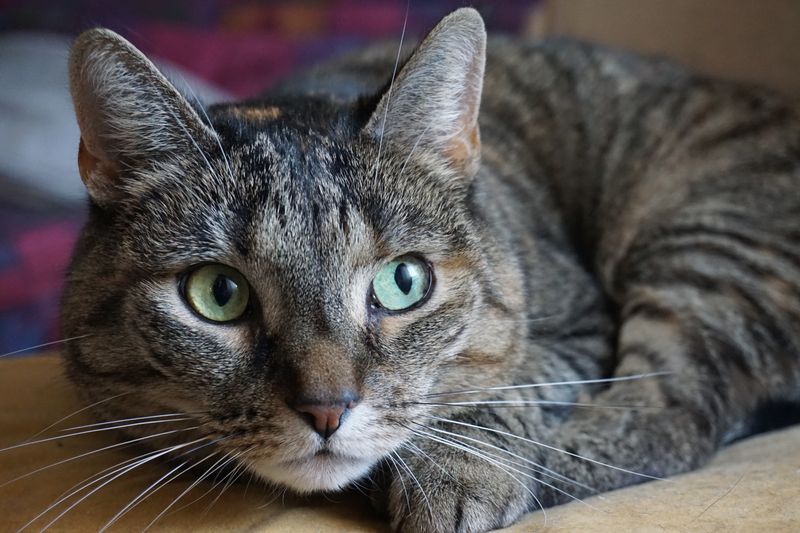
I went to the shelter for one kitten and came home with two, because they were curled up together and I could not tell them apart and I could not bear to split them up. It felt like the generous choice. Within two months, I understood why experienced cat people raise an eyebrow when you say you took home a pair of littermates. They had bonded to each other with an intensity that left no room for me, and I was exhausted.
Littermate syndrome is usually talked about with dogs, but the same dynamic can happen with cats: two siblings raised together glue themselves to each other instead of learning to be independent, and one of them often ends up anxious, clingy, or unable to cope when separated. Nobody warned me, so I am warning you.
Why This Happens
The problem is not that the kittens love each other. The problem is that two littermates, raised in the same home from birth, often develop an attachment to each other that replaces the attachment they need to develop with people. One kitten becomes the confident leader; the other leans on it for everything. The dependent one never learns to self-soothe, because its sibling does all its regulation for it.
With cats, this shows up as a pair that is impossible to separate, one that screams if the other goes to the vet, and a bond with the human that stays thin no matter how much you try. You also get compounded complications: two kittens hitting adolescence at once, litter box wars, resource guarding over food and toys, and double the mess and destructiveness. Everything is doubled, including the noise.
The reason it drains you so specifically is that you end up as a third wheel in your own home. I wanted cats that would sleep on my lap; I got a fur tornado that had no interest in me beyond food. The caretaking kept going up while the reward stayed flat, and that mismatch is what caretaker fatigue actually feels like.
What I Tried First — and Why It Didn't Work
My first instinct was to smother them with affection to try to break through. I picked them up constantly, forced cuddles, chased them around the apartment for attention. It made everything worse. Two cats who are already over-attached to each other and annoyed by a human grabbing at them just learn to avoid the human. I was teaching them that I was the thing to run from.
Then I tried keeping them together for everything, thinking they would be happier, and that backfired too. Feeding them side by side, letting them share one giant litter area, letting them sleep in one pile, it all reinforced the pair bond and made the dependent one even less capable on her own. The litter chaos got genuinely foul, with tracking sprayed across the whole bathroom and litter kicked onto the floor every single day.
My third attempt was to separate them cold turkey in different rooms for long stretches. That works for some people, but for me it just produced two distressed cats howling under doors and one that started over-grooming from the stress. Cold-turkey separation is not the answer; the answer is deliberate one-on-one time, not total isolation.
What Actually Worked
The breakthrough was structured one-on-one time every single day, no exceptions. I started doing short, separate play sessions with each kitten, fifteen minutes each, one at a time, in a closed room. That forced each one to relate to me directly, without the other to hide behind. The dependent one learned she could cope alone and that play with me was fun on its own terms. Within weeks, both of them started seeking me out instead of only each other.
I also separated the boring logistics in ways that gently loosened the pair bond. Separate feeding stations, separate sleeping spots in different corners, and more than one litter setup so nobody was guarding a resource. That last one made a huge difference in the mess, because I finally stopped the daily litter explosion by giving them proper space and, honestly, by putting a mat down where a mat needed to be.
Here is where the right gear genuinely helped. A large litter mat that actually stays put under the box catches the tracking that used to end up all over my floor, and in the tight corner where I keep the second box, a compact mat handles the overflow without me tripping over it. Both are the boring, unglamorous things that make living with two cats manageable instead of a daily cleanup war. They did not fix the relationship, the one-on-one time did that. But they removed the low-grade daily friction that was burning me out.
The other shift was expectations. I stopped measuring the pair bond as a failure and started measuring small wins: the dependent kitten coming to sit near me, both of them playing independently, a calm feeding time. With two cats, progress is quiet. You almost miss it if you are looking for a lap cat on day three.
Low-Entry Litter Box for Senior Cats
Big enough to actually catch the tracking under a shared box, and waterproof so accidents wipe clean.
Check price on AmazonExtra-Large High-Sided Litter Box
A smaller waterproof mat for tight corners and second boxes, so two cats never share one messy station.
Check price on AmazonWhat I'd Tell Someone Starting Today
If you are adopting two littermates, go in knowing you have to do the work on purpose. Schedule separate play and training with each cat from week one, feed them apart, and give each one its own places to sleep and potty. It will feel like extra effort at first, but it is the effort that builds a bond with you instead of only with each other.
A year in, my two still sleep in a puddle together every afternoon, but they also both come to me now, and the dependent one will actually hang out alone. That middle ground was worth every separate play session. Getting two was not a mistake. I just had to stop expecting them to raise each other.
This post may contain affiliate links. If you buy through one of them, we earn a small commission at no extra cost to you.