
My New Rescue Peed Every Twenty Minutes on Day One — Turns Out That Was Actually Normal
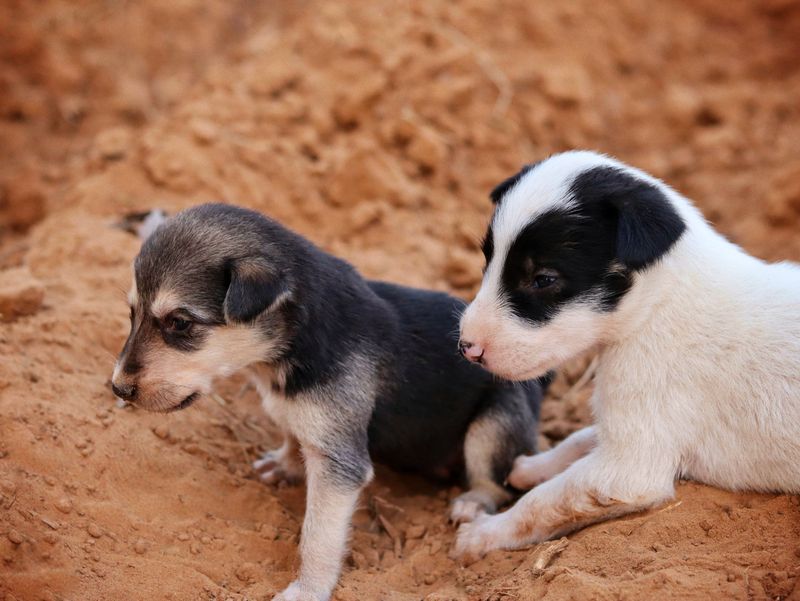
I brought my rescue home on a Saturday morning and by Saturday night I was on my kitchen floor with a roll of paper towels, convinced I'd adopted a dog with a broken bladder. She peed in the car. She peed on the porch before we made it inside the house. She peed on the corner of the living-room rug, then on the hallway runner, and then twenty minutes later on the exact spot I'd just finished blotting. I counted fifteen puddles before dinner. By bedtime I was one search away from diagnosing her with kidney failure.
Here's what nobody handed me with the adoption paperwork: a dog who has spent weeks in a shelter, peeing on a concrete run on somebody else's schedule, does not arrive at your house knowing how to hold it, where to go, or what "outside" even means. What looked like a medical crisis was, in my case, a dog whose entire routine had been deleted overnight. I still called my vet, and you should too if you're scared, but the fix turned out to be a schedule, not a prescription.
Why This Happens
Start with the word "normal." A brand-new rescue peeing a lot in the first twenty-four to seventy-two hours is so common there's almost a pattern to it. Stress does real things to a dog's body. Cortisol rises, the dog drinks more, the bladder empties more often, and the whole thing feeds itself: she's anxious, so she drinks, so she pees, so she's anxious again. Add a strange house with a thousand unfamiliar smells and she may also be marking her new territory, not just emptying a full bladder.
Then there's the shelter itself. Most dogs in kennels learn to pee on whatever surface they're standing on the second they feel the urge, because there's no grass and nobody's walking them on your timetable. That habit doesn't transfer to a backyard overnight. A dog who has been holding it for ten hours in a run and then relieving on concrete has essentially been taught the opposite of house training.
And finally there's a behavior people constantly mistake for a medical problem: submissive and excitement urination. A shy rescue who rolls over, tucks her tail, and leaks a little when you lean down to pet her isn't incontinent. She's overwhelmed and signaling it. That kind of accident is triggered by pressure and greeting, and it gets worse when you scold it.
What I Tried First — and Why It Didn't Work
My first mistake was scolding. I raised my voice the third time she squatted in the hallway, and she gave me a look I still remember, flat ears, hunched shoulders, tail tucked. Submissive peeing doesn't respond to correction, because the correction is the trigger. I was pouring gasoline on the fire I wanted to put out.
My second mistake was cutting her water in the evening. I'd read that limiting water meant fewer accidents overnight, and technically it worked. It was also the wrong answer. A dog adjusting to a new home needs free access to water, and dehydration brings its own problems. I put the bowl back within a day and never touched it again.
My third mistake was the crate. I decided she'd been "crating fine," so I started leaving her in it for long stretches to contain the mess. That was treating the symptom and starving the solution. A dog who never gets taken outside on a fast schedule never learns where the bathroom is supposed to be. All I did was teach her to sit in her own mess, which is a fast track to a dog who stops caring about cleanliness altogether.
What Actually Worked
The thing that changed everything was a boring, relentless schedule. For the first two weeks I took her out every twenty to thirty minutes whenever she was awake, and always at four fixed moments: first thing in the morning, right after every meal, right after every nap, and the second she finished drinking. Out the same door, to the same patch of grass, on a leash so she couldn't wander and play instead of pee. When she went, I said one word, "go potty", in a calm, flat voice and then handed her a treat the instant she finished. Not when we got back inside. The instant. That timing is the entire lesson.
For the reward I used Buddy Biscuits Trainers, a bag of soft and chewy training bites that break into small pieces easily. That mattered more than I expected. House training takes dozens of repetitions a day, so I needed a reward tiny enough to hand out constantly without wrecking her calorie count. I kept a few in a pouch by the door, and because they're soft, they don't turn to crumbs in a coat pocket the way hard biscuits do. "Outside plus a treat" became the association I was building on purpose.
I also quit cleaning with anything ammonia-based. Ammonia is a component of urine, so cleaning with it basically invites the dog back to the same spot. I switched to an enzymatic cleaner that breaks down the actual proteins, soaked each spot thoroughly, and let it air-dry. The house stopped smelling like a bathroom, which mattered for both of us.
The other piece was keeping my resident cat out of the chaos. She was already stressed by the new dog, and the last thing I needed was one anxious animal setting off another. I set her up with RYERCAT Silvervine Sticks, a natural cat chew toy that gives her something to gnaw and roll on that isn't my furniture or the dog's crate. It handed her back a corner of the house that felt like hers again, which lowered the temperature for everybody.
The accidents slowed to a trickle within a week and stopped entirely by the third. Not because she "got it" immediately, because I finally gave her the chance to learn it.
What I'd Tell Someone Starting Today
Rule out the medical stuff first if anything feels off. A dog straining to produce tiny amounts, crying while she pees, or peeing blood is a same-day vet call, that's a urinary infection or a blockage, not stress. And keep counting: fifteen puddles in a day is worth a phone call, but a puppy or a fresh rescue going often is not automatically an emergency.
Then build the schedule and stick to it for two solid weeks before you decide anything is permanently broken. Take her out more often than feels reasonable. Reward at the moment of the act, not after. Clean with enzymes so spots never become habit. And don't punish a single accident. Punishment just teaches a dog to hide the evidence, which is worse in every way. Six months later my "broken bladder" sleeps through the night and taps the door to go out. She needed a routine and someone patient enough to teach it.
This post may contain affiliate links. If you buy through one of them, we earn a small commission at no extra cost to you.