
My Five-Month-Old Was Biting Me Hard Enough to Bruise. Here's How We Turned It Around
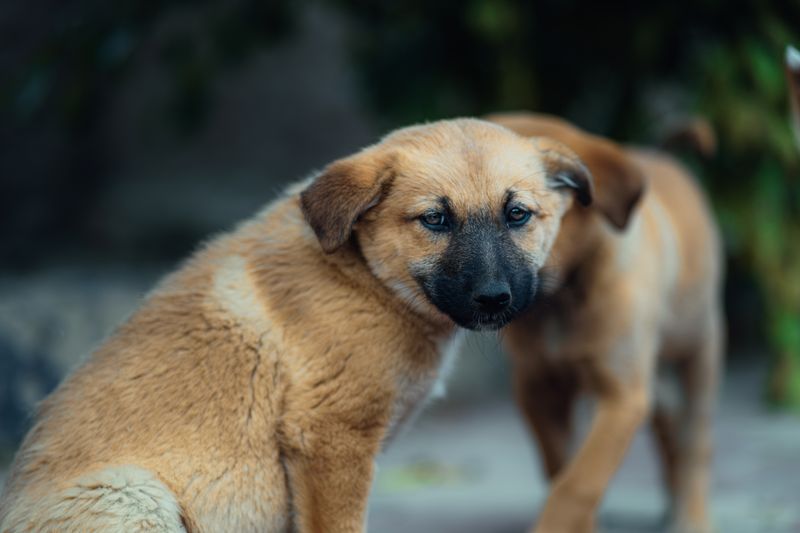
The bite that scared me happened on a Tuesday evening. My five-month-old puppy, a forty-four-pound pit, German shepherd, and husky mix, all muscle and no off switch, got worked up over a squeaky toy, turned, and clamped down on my forearm hard enough to leave a purple bruise the size of a silver dollar. It wasn't a nip. It was a grab. For the first time since I brought him home, I felt a flash of something that wasn't patience. I felt afraid of my own dog.
I know the internet is full of people who'll tell you puppy biting is normal and you just have to wait it out. And they're partly right, mouthing is developmentally normal at this age. But there's a difference between a mouthy puppy and a puppy who's biting with force, and that difference is where the real work lives. I needed more than "be patient."
Why This Happens
First, the age. At five months a puppy is in the thick of teething, with sore gums and a powerful urge to chew. His mouth is his main tool for exploring the world, and when he's excited or overtired, that tool goes straight to whatever's nearest, usually me.
Second, the breed mix. A dog carrying pit, shepherd, and husky ancestry is a dog built to work, and he inherited the jaws and the drive to go with it. I don't believe that makes a puppy aggressive. It does mean the force behind the mouth is real, and I couldn't afford to treat his bites like the harmless grazes of a tiny lap dog.
Third, and this is the piece that changed everything for me: overstimulation and exhaustion. An overtired puppy is like an overtired toddler. He gets wilder, not calmer, and his bite inhibition falls apart. Every time I tried to "tire him out" with more and more play, I was actually pushing him past his limit and making the biting worse.
What I Tried First — and Why It Didn't Work
My first move was the classic yelp and yank my hand away. This is what every article tells you, and for some puppies it works. For mine it was rocket fuel. The yelp was exciting, the fast-moving hand was a toy, and pulling away triggered his chase drive. He'd bite harder to keep the game going.
Next I tried holding his muzzle shut and staring him down, an old-school correction I regret. It didn't teach him anything except that hands near his face could be scary and forceful. He started pulling away whenever I reached for his collar, which made everything else harder.
Then I tried the leash pop and a sharp "no." Same story as the muzzle grab. It suppressed the moment, but the underlying energy and the painful mouth were still there, and it was eroding his trust in me. Punishment doesn't fix an overstimulated puppy; it just adds fear to the mix.
What Actually Worked
The single biggest change was enforced rest. Once I understood that an exhausted puppy bites worse, I stopped trying to out-exercise his energy. Instead of more play, I gave him scheduled naps in a quiet crate or pen, several times a day, whether he acted tired or not. A puppy his age needs a startling amount of sleep, and mine had been running on fumes and adrenaline. The difference after a real sleep was night and day, the same dog who'd been a land shark an hour earlier would be soft-mouthed and mellow.
Once he had rest, training could land. I taught bite inhibition by stopping all play the instant teeth touched skin, calmly and without drama, then resuming after a few seconds. No yelping, no shouting, just the game ending. Boredom is the consequence that actually teaches a puppy that teeth mean the fun stops. I paired that with redirecting him onto legal chews, because a teething dog needs somewhere for those jaws to go. I also kept sessions short and ended them before he got over the top, since the whole problem was him blowing past his threshold.
I added YUMA'S Hemp Calming Chews for Dogs to our routine as well. If you'd told me six months ago that calming chews would change my puppy's biting, I'd have rolled my eyes, but here's what they actually did: they took the sharpest edge off his evening overstimulation. Every day around five or six o'clock he'd hit a frantic, mouth-everything witching hour, and those chews, a big tub of them, so there was no rationing (helped him land softly instead of exploding. He still needed naps and redirection, but the chews made the frantic hours manageable instead of impossible.)
And then there were the nights. Overtired puppies sometimes also can't switch off for sleep, and mine would wake restless and mouthy, which bled right back into the biting during the day. On those nights I used Night Calm Chews, a natural dog sleep aid with melatonin, to help him actually settle and sleep a full night. A puppy who sleeps well bites less, full stop. Once he was reliably rested at night and had structured rest during the day, the bruising bites dropped off fast, first to mouthing, then to the occasional gentle graze, then to nothing.
I also got a trainer. After that first bruise I booked a few sessions with someone experienced with high-drive puppies, and having an extra pair of eyes on his body language was worth every dollar. Some of what I'd read as aggression was really just play that had run off the rails, and she showed me the signals I was missing.
What I'd Tell Someone Starting Today
Check the clock before you check the behavior. A huge share of puppy biting that looks aggressive is really a tired puppy, and the fix is a nap, not a punishment. Drop the yelping, the muzzle grabs, and the leash pops, they suppress the moment and damage trust without teaching anything. End play the second teeth hit skin, redirect onto chews, and build rest into every single day.
Calming and sleep support are tools, not cures, and they work best sitting underneath a routine that's actually meeting your puppy's needs. And if your puppy is drawing blood, guarding, or scaring you the way mine scared me, that's not a failure, that's a reason to bring in a qualified trainer or a veterinary behaviorist early. My bruise was the wake-up call that got us both the help we needed. He's nearly two now, and I haven't seen that dog on my arm since.
This post may contain affiliate links. If you buy through one of them, we earn a small commission at no extra cost to you.