
I Was Bathing My Big Dog Every Week — and Making the Smell Worse. Here's What Fixed It.
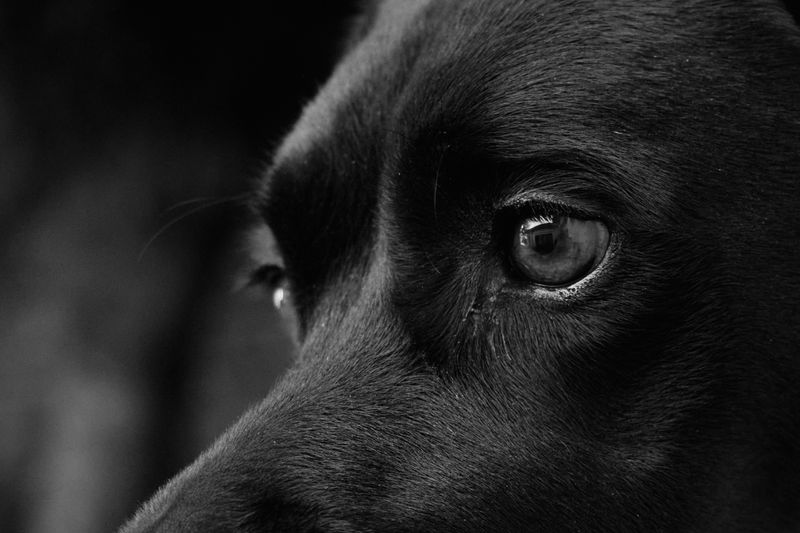
My eight-month-old dog smelled like a wet dog even when he was dry. That was the sentence I kept repeating to anyone who'd listen. I figured the answer was obvious: wash him more. So I did. First every week, then, when the smell crept back inside three days, every five days, and once, in a moment of desperation, twice in one week. Each bath seemed to work for about a day. Then the dog smell came roaring back, and it came back stronger, until I was spraying the couch and lighting candles and wondering what was wrong with him.
The answer, which a groomer finally explained to me over the phone while I held a still-damp eighty-pound dog, was that I was doing exactly the thing that was making it worse.
Why This Happens
Dog skin has a thin, delicate layer of natural oils that does a real job, it keeps the skin supple and protected and it keeps the coat's own balance in check. When you bathe too often, especially with a strong shampoo, you strip those oils out. The skin panics at the sudden dryness and responds the only way it knows how: it overproduces oil to replace what you just removed. That excess oil is what traps dirt and develops that rancid "dog" smell, and it also feeds the naturally occurring yeast and bacteria on the skin.
So I'd created a loop. Bath stripped the oils, skin pumped out more, more oil meant more smell, so I bathed again to get rid of the smell, which stripped the oils again. Every week I was digging the hole deeper. Eight months old is also a stage where a dog's coat and skin are still settling, so it's easy to overcorrect without meaning to.
For most large dogs with a normal, healthy coat, the right rhythm is roughly every two weeks at the most frequent, and often every four to six weeks is plenty. Constant bathing isn't grooming, it's a cycle. The real work happens between the baths, not in them.
What I Tried First — and Why It Didn't Work
My first instinct, obviously, was more bathing with a heavily scented shampoo. All those perfumes did was mask the smell for a day and leave behind residue that built up in the coat, making it dull and, counterintuitively, dirtier faster. The fragrance faded; the oil came back; the smell returned.
Then I tried a medicated, harsh anti-odor shampoo, thinking the smell was a skin infection I could scrub away. That was a step in the wrong direction, it was even more stripping than the regular stuff, and his skin got visibly dry and flaky at the edges, which just meant more oil to compensate. If you ever genuinely suspect a skin infection or yeast issue, that's a vet visit and a proper diagnosis, not a supermarket shampoo.
My third attempt was the wrong kind of effort: I started brushing him aggressively every day to "get the smell out." Brushing is great, but I was using a pin brush that mostly pushed surface hair around and didn't touch the real problem, the dead undercoat and loose hair that holds onto oils and odor and sheds all over my house. I was treating the symptoms on the top of the dog and ignoring the whole coat underneath.
What Actually Worked
The fix had two halves: bathe less, and manage the coat properly in between. I cut baths back to every two weeks maximum, and switched to a gentle, dog-specific shampoo, diluted and massaged in, then rinsed obsessively, leftover shampoo residue is a hidden source of both itch and smell. I made sure he was bone dry after every bath, because a damp coat that never fully dries is a mildew factory, and I paid the groomer for a proper professional bath and blow-out every couple of months to reset the baseline.
The rest was the part I'd been skipping entirely: real coat care between baths. A lot of what I'd been smelling was dead undercoat trapping oil and dirt against the skin, and the answer wasn't water, it was removing the loose hair so air could get down to the skin. I started a proper de-shedding routine. I got the ORDORA Reusable Pet Hair Remover Brush for the furniture, and it changed my relationship with my couch. It's a reusable tool you drag across fabric, and it lifts embedded dog hair straight out of the upholstery and off the rug in thick strips instead of pushing it around like a lint roller. Because so much of the "smell" in a house is really hair holding odor in the fabric, clearing the furniture every few days genuinely improved how the whole room smelled, not just how it looked.
For the coat itself, I added the Aumuca Cat Brush for Shedding to the routine. It's built for dense indoor coats and long-haired animals, and while it's marketed for cats, the fine tines worked beautifully on my dog's undercoat (I used it two or three times a week, working in the direction of the hair and clearing the loose stuff before it had a chance to mat or trap oil. Between the two tools I was finally getting the dead hair out instead of layering more shampoo on top of it, and the loops of fur I pulled off told the story of where the smell had been living all along.)
I also stopped washing his bedding weekly and switched to rotating two sets with a mid-week spot-vacuum, since constant laundering of his bed was both a hassle and, ironically, part of the scent churn. With the bathing dialed back to a sane cadence and the coat and furniture managed daily, the wet-dog smell stopped being a feature of my house about three weeks in.
What I'd Tell Someone Starting Today
If you're bathing your dog more than once a week because of smell, you're probably the reason the smell is there. Back off to every two weeks at most, use a gentle dog shampoo, rinse until you're sure and then rinse again, and dry the coat all the way through. Then do the work that actually matters between baths: de-shed the undercoat a few times a week and lift the hair out of your furniture and floors, because odor lives in trapped hair and oil, not just on the dog.
And if the smell is foul rather than just doggy, or you see redness, greasy patches, bald spots, or constant scratching, stop buying shampoo and call your vet, that's a skin or yeast problem, and it needs a diagnosis, not more lather. Mine was never sick. Mine was just over-washed and under-brushed, and fixing both ended the smell for good.
This post may contain affiliate links. If you buy through one of them, we earn a small commission at no extra cost to you.