
Taking My Ten-Week-Old Puppy to a Cafe Felt a Little Wild — Here's How I Did It Safely
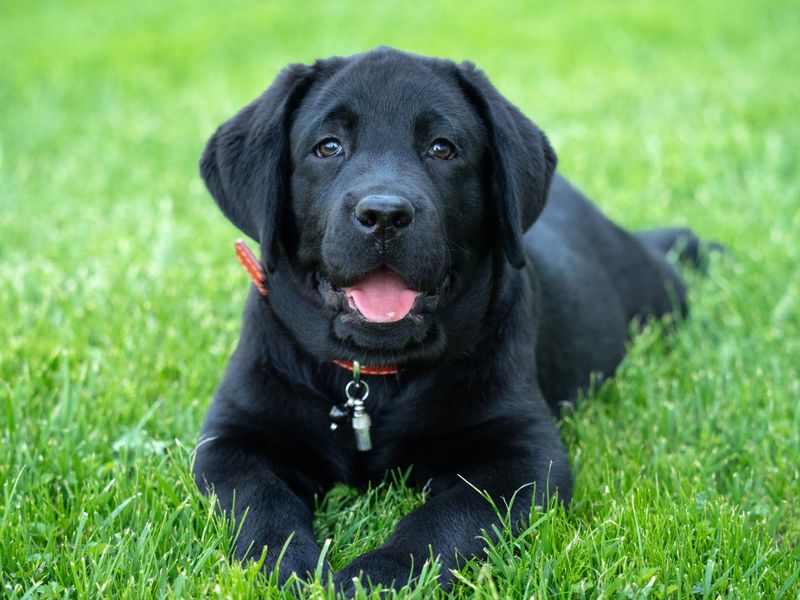
The first time I carried my ten-week-old puppy into a coffee shop, I felt like a criminal. She was too young to have finished her shots, the floor was a public space, and every part of me was sure some well-meaning stranger was about to lecture me about parvo. But I'd also read, over and over, that the socialization window closes around sixteen weeks. That a puppy who doesn't experience the world before then may carry the cost for the rest of her life. So there I was, holding her against my chest while she watched a blender whir and a stroller roll by, trying to give her the world without letting her touch the wrong part of it.
Once I figured out the actual rules, it stopped feeling reckless and started feeling like the single best training decision I made in her first year.
Why This Happens
Here's the tension every new puppy owner runs into. The window when a puppy is most open to new experiences, the socialization period, closes somewhere around fourteen to sixteen weeks. That's the stretch when anything she meets and finds neutral or pleasant becomes "normal" for life, and anything she meets and finds scary can become a lifelong fear. Miss it, and you're often playing catch-up for years.
But that same window sits right inside the period before her vaccine series is complete, when her immune system isn't fully protected. So you get conflicting advice: "socialize her now or regret it forever," versus "keep her home until she's fully vaccinated or she could get sick." Both instincts are reasonable, and the resolution most trainers and vets land on is a middle path, you socialize the puppy, you just do it safely.
The safe version means avoiding high-traffic ground where unknown dogs, especially unvaccinated ones, may have contaminated it: dog parks, pet-store floors, rest stops, and the sidewalk in front of a busy dog-friendly cafe. It means holding the puppy, carrying her, or putting her in a carrier or cart so she experiences the world from a protected seat. Novel places, sounds, surfaces, and people, without her feet on shared ground.
What I Tried First — and Why It Didn't Work
My first approach was total lockdown. I kept her inside the house and the fenced yard until her vaccinations were done, reasoning that safety came first. It was safe, and it was also the wrong call. By the time she was cleared to go out, she'd missed most of the window, and the outside world was suddenly terrifying (every skateboard, every barking dog, every stranger was a brand-new scary thing rather than a familiar one. That first-timer's fear is much harder to undo than it is to prevent.)
Then I overcorrected the other way and let her walk on the ground at a busy outdoor mall to "get exposure." I watched her sniff a spot another dog had just used and my stomach dropped. Nothing came of it, thankfully, but I'd gambled for no good reason, the same exposure could be had with her feet off the ground.
My third mistake was flooding. I thought if a little cafe noise was good, a crowded patio at peak hour would be better. She pancaked against my chest, ears back, trembling at a table of loud strangers. Overwhelming a puppy isn't socializing, it's a trust wound. A calm, controlled, brief exposure is worth ten chaotic ones.
What Actually Worked
The formula that finally worked was simple and repeatable: novel place, protected seat, short visit, something good to eat. I carried her or set her in a carrier, went places during quiet hours when the ground was low-traffic and the crowd was small, and stayed only ten or fifteen minutes, ending on a calm note before she got tired or overwhelmed. She met a dozen kinds of people, heard a hundred new sounds, and rolled over exactly nothing.
The other half of it was pairing every new thing with food. The whole game is association: strange thing happens, treat appears, puppy's brain files the strange thing under "fine." For that I used Pet Botanics Training Rewards Puppy Bites, a soft and chewy puppy treat in peanut butter that's small enough to hand over constantly without filling her up. In a busy environment the treats have to be quick, soft, and interesting, and these were, I kept a pouch on me and delivered one every time a stroller, a vacuum, or a stranger crossed her path. By the end of a few weeks she'd learned the core lesson of the whole exercise: new things predict treats. That's confidence, built one small cookie at a time.
I also gave her something to do with her brain when we were home, because a puppy with a job is a calmer puppy, and calmness outside starts with calmness inside. I got her a BSISUERM Dog Puzzle Toy, an adjustable treat-dispensing ball that she has to roll and work to empty. Puzzle feeding had two effects that mattered here. First, it burned off the puppy energy that otherwise shows up as nervousness or mouthiness in public. Second, it taught her to be persistent and to think her way through a problem, which is exactly the mindset I wanted her carrying into a noisy cafe. A puppy who's learned that unfamiliar puzzles lead to food handles unfamiliar places the same way.
Two weeks later she sat calmly under the table at a quiet patio, took treats from a passing server, and slept through the blender. The window was still open, and it cost me nothing but patience and a pocket full of puppy bites.
What I'd Tell Someone Starting Today
Socialize the puppy, but keep her feet off the ground. Carry her, use a carrier or a cart, and take her to quiet versions of real places while she's still in her socialization window. Keep visits short and end on calm. Pair every new sight and sound with a soft treat so she learns that new equals good, and build her confidence at home with a puzzle so she brings that same problem-solving brain out into the world. Follow the middle path. Not a lockdown and not a free-for-all (and clear it with your vet, who knows the local disease risk better than any internet stranger does.)
Ten weeks did feel a little wild. It also turned out to be the smartest two weeks of my puppy's first year, and I'd do it exactly the same way again.
This post may contain affiliate links. If you buy through one of them, we earn a small commission at no extra cost to you.