
My 11-Month-Old Corgi Is Sweet and Snapping at the Same Time — Here's What's Really Going On
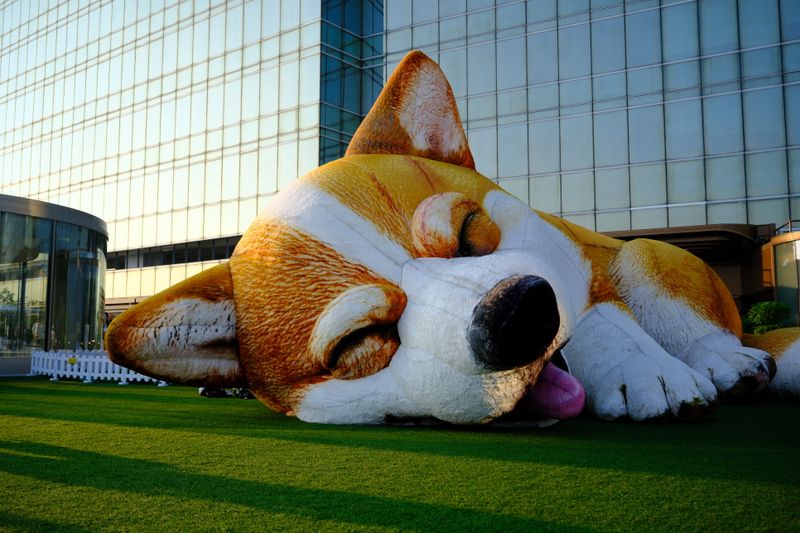
Zamboni is the sweetest dog I have ever had for about fifty-nine seconds at a stretch. He wiggles, he flops over for belly rubs, he licks my hand, and then, mid-cuddle, something flips, and he grabs my sleeve, hardens his whole body, and air-snaps by my fingers. Then he is sweet again, tail wagging, like the last ten seconds never happened. Eleven months old, and I genuinely could not tell if I owned a loving dog or a ticking time bomb.
The whiplash is the confusing part. Real aggression usually has a clear trigger and a consistent story. What Zamboni does is more like a switch getting stuck, sweet, then fired up, then sweet again, all in the same interaction. Once I understood what that pattern actually was, everything changed.
Why This Happens
Corgis are herding dogs. They were bred for generations to move livestock by nipping at heels and dodging kicks, and that wiring does not disappear because you got a short-legged dog with a cute face. A corgi grabbing at hands, pants, and feet during play is doing a version of its original job. It is not hatred. It is a deeply installed instinct looking for an outlet.
The "sweet then aggressive" flip, though, is usually not aggression at all. It is over-arousal. Arousal is the dog's level of excitement, and when it climbs too high, the thinking brain goes offline and the instinct brain takes over. At that point, a dog that was happily wrestling thirty seconds ago will grab and snarl because it is simply over its threshold, not because it decided to attack. This peak is often worst in adolescence, and eleven months is the thick of it.
There is also a handling factor that took me too long to see. Petting, especially patting the top of the head or looming over a dog, can push a herding breed's arousal up rather than calm it down, and a lot of "he snapped while I was petting him" incidents are really "I accidentally revved him up." Add in the fact that a dog who is over-tired or over-stimulated has a much shorter fuse, and you have a recipe for exactly the Jekyll-and-Hyde behavior I was complaining about. There is a real behavior change worth noting too: if the snapping comes with stiffness, freezing, or a hard stare, that is a different story than wild, grabby play, and it deserves a vet and a behaviorist's eyes rather than my home-brew fixes.
What I Tried First — and Why It Didn't Work
My first response was yelling "no" and physically pulling my hand away, or grabbing his collar. This is what almost everyone does, and for an over-aroused herding dog it is gasoline. Sudden movement triggers the chase instinct, and my big reaction turned the moment into a game with a prize, which is exactly what I was trying to stop. He grabbed more, not less.
Then I tried to wear him out with longer and wilder play sessions, thinking a tired corgi would be a calm corgi. Wrong for a herding breed. The rougher the play, the higher his arousal ceiling, and the more easily he tipped over it. I was literally rehearsing the meltdown every evening, then wondering why it kept happening.
My third failed attempt was to completely stop playing with him, thinking I could avoid triggering the behavior. That just created a bored, under-stimulated herding dog with even more energy to unload, and the nipping came out at worse times instead of going away. Suppressing the behavior does not remove the drive behind it.
What Actually Worked
What worked was managing his arousal level like a tank I had to keep from overflowing, instead of reacting once it already had. The single biggest change was teaching him to take breaks. Every couple of minutes during any exciting activity, I would pause, ask for a simple calm behavior like a sit or a down, and only resume once he had actually settled. That taught him that the fun pauses and. Crucially, that he can come back down from high arousal on cue instead of only learning to go up.
I replaced the grabbing games entirely. Tug and wrestling with my hands were out; structured fetch, nose work, and puzzle solving were in. Herding breeds need a job, and giving Zamboni real work to think through drained the drive far better than running him ragged ever did. A mentally tired herding dog is a peaceful one. I also started enforcing naps, because an over-tired corgi is a snapping corgi, and he was pretending to be fine while running on fumes.
I also changed how I touched him. No more looming over him or patting his head when he was already excited, I switched to calm, slow strokes on the chest and waited for him to melt rather than pushing him there. Reading his early signals instead of ignoring them meant I could stop an interaction before the flip ever happened, which is how you avoid the meltdown in the first place. Behavior is mostly prevention.
For the hardest windows, the evening witching hour, and any time the house got chaotic and he could not switch off (a calming chew with hemp helped take the sharpest edge off so he could actually settle and stop pacing. On the very wound-up nights, a melatonin chew before bed helped him wind down instead of pacing the hallway. I want to be honest: these are support, not a cure. The cure was the arousal management and the breed-appropriate outlet. But on the bad nights, the chews were what let the training actually land instead of fighting against a dog who was too switched on to learn.)
And I booked a session with a trainer who knows herding breeds, specifically to evaluate whether what I was seeing was arousal or something more serious. That evaluation was worth every dollar, because it confirmed the direction I was going and gave me benchmarks to measure against instead of just hoping.
Calming Chews for Dogs
Takes the edge off during over-aroused, wound-up stretches so an adolescent herding dog can actually settle.
Check price on AmazonCalming Diffuser & Thunder Jacket for Dogs
A melatonin chew for the evening witching hour, helping a revved-up corgi wind down for bed.
Check price on AmazonWhat I'd Tell Someone Starting Today
If your dog is sweet then snappy in the same breath, stop assuming it is aggression and start assuming it is over-arousal, it usually is. Teach calm breaks during play, swap grabbing games for structured work, stop looming and head-patting, enforce naps, and read the early signals so you can end things before the flip. And if there is stiffness, freezing, or a hard stare attached to it, get a trainer or behaviorist involved now.
Zamboni still has his corgi moments. He still wants to herd the vacuum and the cat. But the air-snapping at my hands has almost entirely stopped, because I stopped feeding the fire and started teaching him how to come back down. He was never a bad dog. He was a herding dog with no job and a fuse nobody was managing, including me.
This post may contain affiliate links. If you buy through one of them, we earn a small commission at no extra cost to you.