
My Eight-Year-Old Dog Just Started Growling at Me — "At My Wits' End" Doesn't Cover It
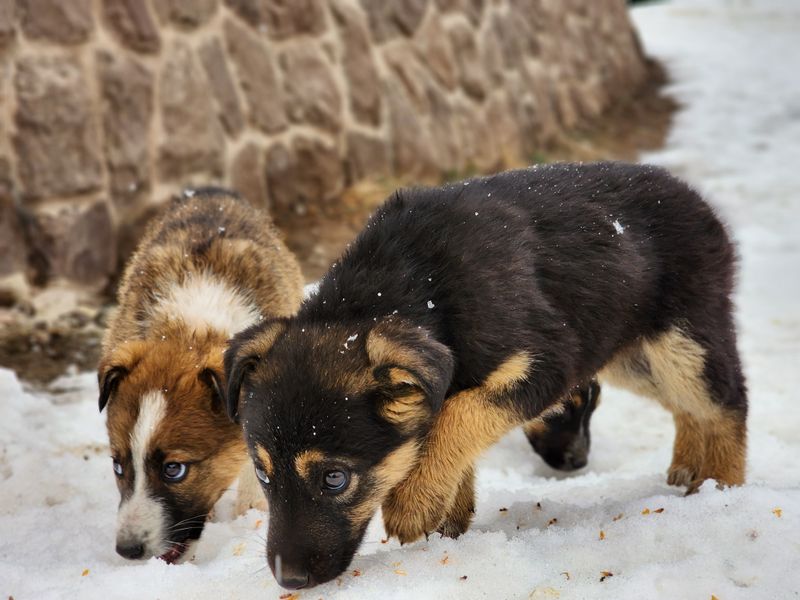
For eight years, Biscuit has been the easiest dog alive. Gentle, patient, glued to my side, never a cross word. Then, over the last couple of months, he started growling at me. Not at strangers, not at other dogs, at me, his person, when I walked past him on the couch, when I reached down to pet him, once when I tried to move him off my spot on the bed. The first time it happened I actually froze, because it was so out of character that I could not process it.
I will be honest: it hurt, and it scared me. But framing it as the dog I had loved for eight years "turning on me" was exactly what nearly sent me down the wrong path. The truth turned out to be something else entirely, something a lot more common and fixable than a personality change.
Why This Happens
When a dog who has never growled starts growling in his senior years, the single most important thing to understand is this: a sudden behavior change in an older dog is a medical red flag first and a training problem second. Dogs cannot tell us their knee hurts, their tooth is abscessed, or their back is stiff. So the growl is often pain talking. A dog who growls when you touch a specific spot, or when he is picked up or shifted, or when he is approached while resting, is frequently a dog telling you that something physically hurts.
Sensory decline is the other big one, and it is easy to miss. Around this age, dogs commonly start losing hearing or eyesight, and a dog who cannot hear you coming gets genuinely startled when you appear. That startle can come out as a growl, not aggression, just a reflexive "whoa, where did you come from" from a dog whose warning systems are getting fuzzy.
And then there is the growl itself, which people constantly misread. Growling is communication, and it is actually a good sign. It means the dog is still warning instead of going straight to a bite. The worst thing you can do is punish the growl away. If you scold a dog for warning you, you do not remove the discomfort or the fear, you just remove the warning. That is how you end up with a dog who bites "with no warning," when in fact you trained the warning out of him.
What I Tried First — and Why It Didn't Work
My first reaction was to correct him. A sharp "no," a scolding, sometimes hauling him off the couch to show him he could not get away with it. Every bit of that was a mistake. I was punishing a dog for communicating pain or fear, which taught him the warning was not safe to give. He did not become more relaxed. He became more tense, and at one point I realized I was creating the exact conditions for a bite, a hurting dog with no safe way to say "stop."
Then I decided he was "getting old and grumpy" and tried to push through it. That framing made me dismiss the behavior instead of investigating it, and I lost weeks I should have spent at the vet's office. Because "grumpy old dog" is a label that can hide a real, treatable problem.
My third mistake was to test him. Deliberately reaching for the spot to see if he would growl again. That is a terrible idea. I was repeatedly probing a spot that might be painful, putting both of us at risk, and eroding what trust we had left.
What Actually Worked
The first thing I did, and the first thing you should do, was book a full vet visit. I told the vet specifically that his behavior had changed suddenly and that I suspected pain. She did a thorough exam, checked his teeth, his hips, his spine, his abdomen, and we ended up treating him for dental pain and joint stiffness. Within about three weeks of starting pain management, the growling dropped off a cliff. That single step did more than everything else combined.
The second thing was changing how I approached him. I stopped looming over him, stopped reaching down from above, and stopped touching him when he was asleep or resting. I started announcing myself, approaching from the front, and letting him come to me instead of initiating contact. For a dog with failing senses or sore joints, that alone removes most of the startles and the pain-triggered growls. I also gave him a bed in a quiet corner that is strictly his, a place nobody bothers him, so he always has somewhere to retreat instead of feeling cornered on the couch.
Third, I started treating the growl as useful information instead of an insult. When he growls, he is telling me he is uncomfortable, and my job is to listen and change the situation, not to override him. That shift, from "how dare he" to "thanks for the warning", changed everything about how we interacted. I stopped creating the situations that triggered it, and he stopped needing to warn me. Removing the provocation is not "giving in"; it is respecting a hurting dog.
For the anxiety and startle component, I added gentle support. A calming vest, the kind that applies steady pressure across the chest, visibly helped on the days he was on edge, it works well for the startle, thunder, and general nervousness that often come with an older dog losing confidence. I put it on before stressful moments rather than after. And I gave him a heartbeat comfort toy to rest with, since the steady beat seemed to soothe him when he was anxious at night or pacing. These were tools to lower his baseline stress, not fixes in themselves, the fix was the pain treatment and the changed handling. But they made the hard days more manageable while everything else kicked in.
And I followed up with the vet repeatedly, because senior dogs change, and pain management often needs adjusting. What worked in month one needed a tune-up by month six. That ongoing monitoring is just part of having an older dog.
Calming Chews & Diffuser for Dogs
Steady chest pressure that softens startle and nervousness in an older dog who has lost some confidence.
Check price on AmazonNo-Bark Training Aid for Dogs
A steady heartbeat comfort toy that helps a restless senior dog settle and rest when he is anxious.
Check price on AmazonWhat I'd Tell Someone Starting Today
If a dog who has never growled starts growling, do not punish it and do not call a trainer first, call your vet. A sudden behavior change in an older dog is a medical question until proven otherwise, and pain and sensory decline are the most common answers. Change your handling so you are not startling or hurting him, give him a place to retreat, and treat every growl as information rather than an attack.
Biscuit is still my Biscuit. He is on pain management, he has his own quiet bed, and I approach him like a gentleman instead of a burglar. The growling is rare now, and when it does happen, I do not hear aggression anymore. I hear "that hurts," and I listen.
This post may contain affiliate links. If you buy through one of them, we earn a small commission at no extra cost to you.