
My Cat Refuses the Carrier. So I Stopped Trying to Trick Her Into It
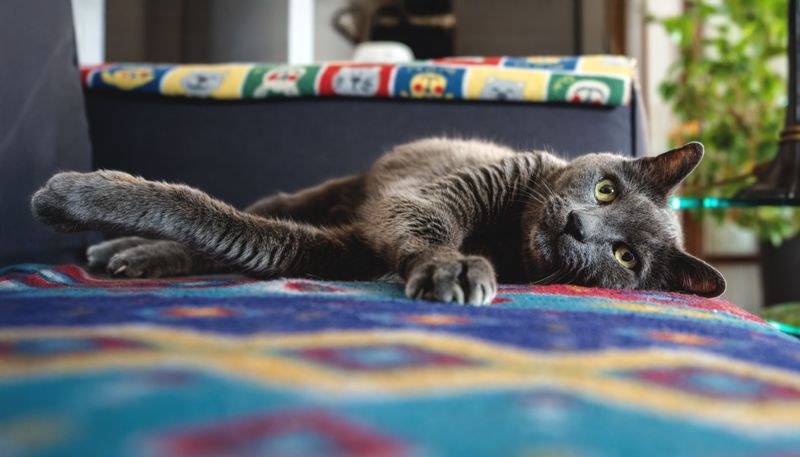
The carrier lives in the back of my closet, and my cat knows it. Last March I pulled it out at 7:40 in the morning for a 9:00 appointment, and by 7:41 she had folded herself into a gap between the water heater and the wall that I did not honestly know existed. I spent twenty minutes on my hands and knees, flipped the couch cushions, then called the vet to say we would be late. We were forty-five minutes late. The carrier did not leave that closet again for four months.
What made it worse is that I thought I was being kind. I waited until the last possible second to bring the carrier out because I did not want to stress her ahead of time. I tried the classic moves, the treat trail, the soft voice, the gentle push. Every one of them backfired, and by the end she would stop eating for two full days after any appointment. That was the moment it clicked. The problem was never the car or the clinic. The problem was the carrier itself, and the whole ritual I had built around it.
Why This Happens
Cats survive by controlling their space, and a carrier strips that control away in one motion. It is dark, it is small, it smells like the last time, and for most cats the only moments it appears are the exact moments something unpleasant follows. Within a year or two the carrier stops being a box and becomes a prediction: this thing means the vet.
There is a second layer that took me too long to see. Most cats get grabbed and stuffed in, which is the opposite of how a cat wants to move through the world. A cat that gets cornered and shoved backward learns fast that the box is a trap. Once that lesson lands, no amount of paste treat smeared on the back wall undoes it, because she is not avoiding a snack, she is avoiding being caught. That distinction matters, because it changes what you have to prove to her.
The car makes everything worse, but it usually is not the root cause. Motion sickness is common in cats, and an empty stomach plus a rocking car is a recipe for a very loud ten-minute drive. Still, I have learned that once you repair the carrier relationship, the car becomes a much smaller hill to climb.
What I Tried First — and Why It Didn't Work
First I tried bribery at the last minute. A trail of treats leading into the carrier, back wall smeared with something smelly, and me waiting with crossed fingers. She ate the trail and stopped two inches short of the door, every single time. Treats only work as a lure if the cat already feels safe enough to step inside, and we were nowhere near that point yet.
Then I tried the towel trick. A light scruff, a wrap, and lowering her in butt-first. It "worked" in the sense that she ended up in the carrier. It also earned me a bite on the knuckle that took a week to heal, and it set us back months. Any method that ends with your cat being overpowered makes the next attempt harder, never easier.
My third mistake was buying a bigger carrier, reasoning that she would feel less trapped with more room. Wrong direction completely. A carrier roomy enough to slide around in means she gets tossed side to side on every turn, which is the exact opposite of feeling secure. What a cat needs is a snug, well-ventilated space she chooses to enter, not a bigger cage she gets forced into.
What Actually Worked
The thing that finally moved the needle was embarrassingly simple: I stopped hiding the carrier and made it furniture. It sits in the living room now, unzipped, with a soft blanket inside and the door folded back underneath so it reads as an open bed rather than a closed box. The first week she ignored it. I dropped treats just outside it, then just inside the opening, and I never pushed the pace. By week three she was napping in it on her own. That is the whole trick, the carrier has to become a place she goes, not a place she is put.
For the actual appointment, I switched from a soft-sided bag she could claw through to a hard plastic carrier with a top-loading door, and that single change cut the wrestling in half. A top door lets you lower a cat in from above, no shoving, no backward slide, and she settles almost immediately because she is not being pushed into a dark tunnel. I keep the whole thing draped with a light towel in the car so the blur of traffic stops being a show.
I also started feeding her inside the carrier, door open, a few days a week, and taking her on two-minute drives around the block that ended with nothing scary at all. By the morning of the appointment, the car meant "we come home and we eat," instead of "something bad is about to happen." That reframe is doing most of the work, even now.
What I'd Tell Someone Starting Today
Start two weeks early, not two hours early. Leave the carrier out where she can see it, feed near it, never force the entry, and let her set the pace. If you have a month, use the whole month. If you only have three days, do what you have to do on appointment day but be honest with yourself that you will be rebuilding trust afterward.
And if your cat is truly panicking, panting, yowling, or soiling the box before you even leave the driveway, that is worth a call about calming aids or a mild sedative from your vet. There is no medal for white-knuckling it. My cat still does not love the carrier. But she walks into it for a treat now, and that distance used to be unthinkable.
This post may contain affiliate links. If you buy through one of them, we earn a small commission at no extra cost to you.