
My Springer Spaniel Broke Three Harnesses and Two Collars — Here's What Finally Held
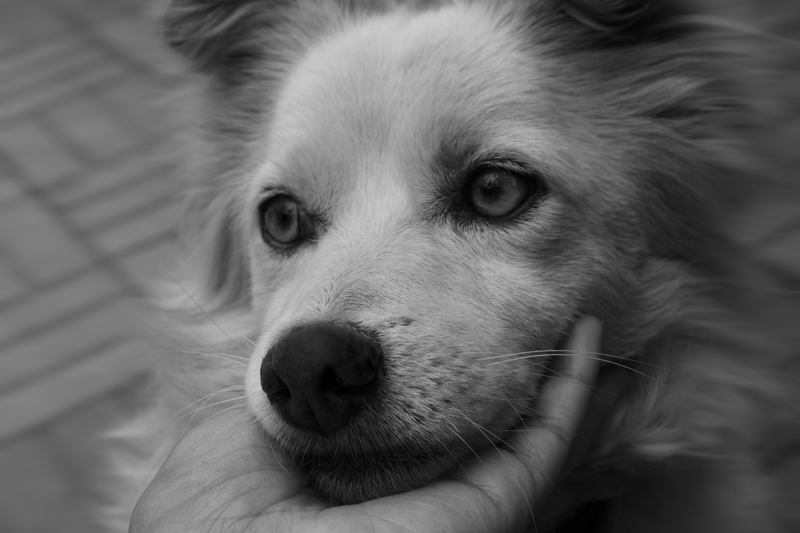
The collar snapped on a Tuesday, halfway down our block, when a squirrel bolted across the sidewalk. My English springer spaniel, Juniper, went from a loose walk to a full-body lunge in the space of a heartbeat, and the nine-dollar buckle on her collar simply gave up. She was loose on a residential street for eleven seconds that felt like an hour. I caught her, barely, but that afternoon I ordered a harness I thought would be indestructible. It lasted nine days.
Over the next two months, I went through three harnesses and two collars. One harness popped a plastic buckle at the chest. Another had the webbing fray and pull apart at the seam where the D-ring attached. A third one slid, twisted, and let her slip a shoulder out mid-pull like she was escaping a straitjacket. Every product promised "no pull" and "heavy duty," and every single one failed the one test that mattered: a sixty-pound spaniel with a bird-dog's prey drive and the shoulders of a swimmer. I was spending money faster than I could keep track of, and the walks were becoming something I dreaded.
Why This Happens
Most standard harnesses and collars are failure-by-design for a strong puller, and it helps to understand exactly why. A collar puts all the load on a dog's throat, which is not only ineffective for control, a dog leaning into the pressure just pulls harder, but it concentrates force on a single point. When a spaniel hits the end of a lead at speed, the shove travels straight through that buckle. Cheap metal and thin nylon flex, fatigue, and eventually let go.
Harnesses fail for a different reason. The common step-in or back-clip styles place the attachment point high on the back, which actually encourages a strong dog to pull harder, because the mechanics reward forward lean. And the buckles are the weakest link in almost every cheap harness, molded plastic that's fine for a sedate lap dog and hopeless on a dog that lunges.
There's also a breed-specific wrinkle with springers. They're bred to work through brush and water, they're built dense and muscular for their size, and they have a chest depth that makes a lot of harnesses sit wrong, too high at the neck, too loose under the belly, which is how a dog slips a shoulder free. The fix isn't a stronger version of the same design. It's a different design: a no-pull harness that distributes force across the chest and attaches at the front, with hardware rated for a dog that yanks.
What I Tried First — and Why It Didn't Work
My first instinct was to just buy a "heavy-duty" collar. It was thicker nylon with a bigger buckle, which felt reassuring until the same thing happened: a hard lunge loaded that clasp and it deformed. A collar can never be the answer for a dog that pulls, no matter how beefy it looks, because the load goes to the throat.
Then I tried tightening the harness I had. I cinched it down so hard that it left rub marks under her front legs, and she still backed out of it, a harness that's too tight actually makes the shoulder-slip worse, because the dog has less room to move but the same freedom to wriggle. I created a skin problem and solved nothing.
Third, I tried a gentle-leader style head halter. It worked for control, I'll grant that, but Juniper hated it, she pawed at her face for the entire walk and rubbed her muzzle raw against the concrete. Trading a pulling problem for a stressed, miserable dog wasn't a win I was willing to take.
What Actually Worked
Two things finally ended the cycle. The first was switching to a front-clip, escape-proof design instead of a back-clip one, and the one that has held up for us is the Huntboo Escape Proof Dog Harness. The difference is in the geometry: the leash attaches at the chest, so when she lunges, her own momentum turns her gently back toward me instead of launching her forward. There's also a second belly strap and a lift handle on top, which lets me grab and steady her in a hurry, at a busy intersection, that handle has been worth every penny. The hardware is metal where it counts, and the webbing is thick enough that it hasn't frayed after months of daily use.
I also picked up the rabbitgoo Escape Proof Dog Harness for Large as a backup and for the car. It's the same front-clip, no-pull logic (adjustable at four points so I could actually dial in a fit that sat low on her chest and snug under her ribs, which is what stops the shoulder-slip. Having a second correctly-fitting harness means I'm never washing the only one she has and sending her out in a wet, ill-fitting rig.)
The other half of the fix was training, and I'd be lying if I said a piece of gear alone did it. I rewarded Juniper every time she gave me slack, turned and walked the other way the instant she hit the end, and practiced "watch me" until she'd check in on cue. The harness stopped her from hurting herself and from getting loose; the training is what turned a sled dog into a walking companion. Gear buys you control. It doesn't buy you manners.
What I'd Tell Someone Starting Today
Stop shopping for the strongest collar and start shopping for the right harness. Front-clip, metal hardware, a belly strap, and a lift handle are the four features that actually matter for a strong puller, everything else is marketing. Measure your dog's chest girth, not their weight, because harnesses fit by girth, and adjust all four points until the fit is snug but you can still slide two fingers under every strap.
Then accept that no harness trains a dog. Walk with high-value treats, reward the slack, and be willing to change direction a hundred times on a single walk. If your dog has slipped out and been loose near traffic even once, treat that as urgent, that's a safety emergency, not a training inconvenience. Juniper has been in her front-clip harness for seven months now. No slips, no snaps, and for the first time since I adopted her, our walks are something I look forward to instead of brace for.
This post may contain affiliate links. If you buy through one of them, we earn a small commission at no extra cost to you.