
My Dog Suddenly Refused to Walk Out the Front Door — Here's How We Got Her Outside Again
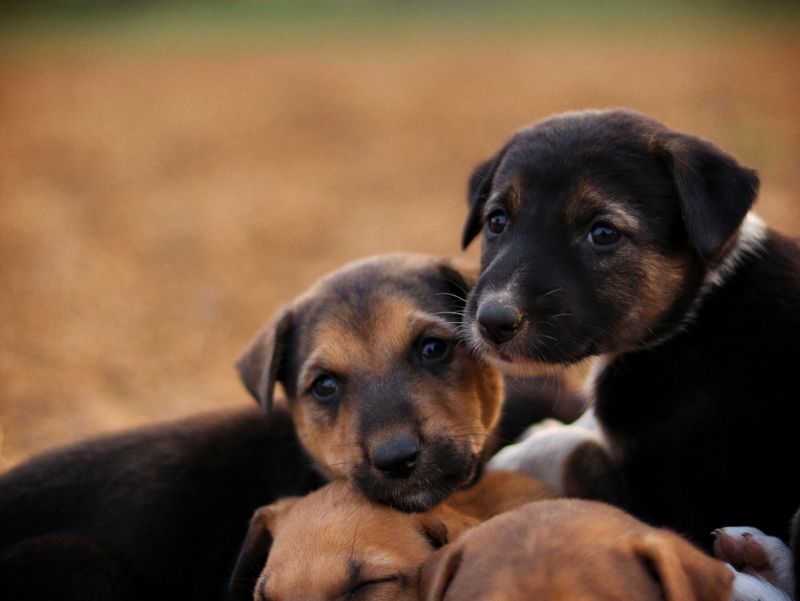
It happened on an ordinary Thursday evening. I opened the front door for our usual before-bed walk, and my two-year-old rescue beagle mix, Pepper, planted all four feet on the hallway rug and wouldn't move. Not the stubborn sit-of-protest I'd seen a hundred times. This was different. Her tail tucked tight against her belly, her ears went back, and she was trembling hard enough that I could feel it through the leash. She would not cross the threshold. When I gently pulled, she scrambled backward into the living room and hid under the dining table.
The next morning was worse. She wouldn't go near the door at all. She started having accidents inside because she refused to go out, and she'd creep into the bathroom whenever I reached for her leash. I racked my brain for what had changed: a car had backfired on the street that evening, right as we stepped off the porch. That was it. One sharp noise, and the world outside the door had become a place my dog was convinced was dangerous. I didn't take it seriously for the first two days. By the third, I understood I had a real problem on my hands.
Why This Happens
What Pepper had was a classic one-event fear, and it's more common than people realize. A single scary experience, a backfire, a fighting dog, a tile that shifts underfoot, a fall. Can attach a lasting negative association to a place or a routine. Dogs form these associations fast and remember them hard, especially if the scare happened while they were already slightly on edge. The doorway stopped being a doorway and became the last thing she saw before the noise.
The instinct most of us have is to coax, cajole, or just carry the dog out the door. Every one of those makes it worse. Dragging a scared dog across the threshold confirms that the doorway is a place where frightening things happen, where she gets pulled against her will. And once a dog stops going outside, you get a stack of secondary problems: accidents indoors, less exercise, more pent-up energy, and a dog whose whole world has shrunk to the living room.
There's also a pain angle worth checking before you assume it's purely fear. A dog who suddenly refuses to walk, or who stops on the porch, might be hurting. A pulled muscle, a sore paw, early joint discomfort. If the reluctance comes with limping, stiffness, or a change in how she stands up, a call to the vet is the first move, not a behavior plan. For Pepper it was fear, but I had the vet rule out the physical stuff before I built a training program on top of a wrong assumption.
What I Tried First — and Why It Didn't Work
My first move was the treat lure. I stood on the porch waving a piece of chicken like a traffic controller, and she took one step, grabbed the food, and retreated. She'd learned to eat the reward and still refuse the door. I'd paid her for standing exactly where she was already comfortable.
Then I tried picking her up and carrying her outside. She froze in my arms, then bolted the second I set her down, straight back to the house. I'd skipped right past the scary part without ever changing how she felt about it, and I'd added a new element, being lifted, that she now distrusted too.
My third attempt was tough love. I figured if I just waited her out on the porch with the leash on, she'd eventually give in. Forty minutes later, we were both miserable on cold concrete and she was more shut down than when we started. Letting a scared dog "marinate" in the thing that frightens her doesn't build courage. It builds a bigger fear.
What Actually Worked
What worked was going smaller than I thought possible and rebuilding the door as a good place, one inch at a time. I started with the door open and just fed her on the hallway side, then where her nose could touch the threshold, then one paw over, then on the mat outside. No walk attached, just the doorway and a steady stream of high-value food. It took about nine days of two-minute sessions before she'd stand on the porch without bracing.
I also gave her body a way to calm down, and the Oil for Dogs and Cats was part of that. Worked into her evening routine, it helped take the edge off the low-grade watchfulness that had her flinching at every truck that passed. And on the days we pushed a little further, the VetriScience Calm & Confident Chews gave me a tool for the harder moments, a chew she actually liked that I could pair with the scary part of the routine, so the threshold started meaning "something good happens here" instead of "something loud happened here."
Three more things mattered. I changed the trigger's meaning entirely by pairing the door with a favorite chew toy and a game, so stepping out became the start of something fun, not the start of a walk. I kept the leash dragging loose on the floor at first so nothing about the setup signaled "we're leaving." And I never forced a step she wasn't ready for, if she balked, we went back a stage, fed her, and ended on a win. Slower than I wanted, but it held. Within two weeks she was crossing the porch on her own, and by the end of the month we were walking the block again. She's still a little wary of cars that backfire. She's not afraid of the front door anymore.
What I'd Tell Someone Starting Today
Get the vet check first, every time, before you build a behavior plan, sudden refusal to walk can be pain as easily as fear. Once that's clear, shrink the scary step until it's something your dog can do while still taking food. If she won't eat, you're too close to the edge; back up. Never take a refusing dog for a walk by dragging her, and don't wait her out until she gives in, because both of those teach her that the doorway is a place where bad things happen to her.
Be patient with the math here: this kind of work moves in weeks, not walks. Nine days felt like forever at the time, and looking back it was nothing. Pepper still checks the street before she steps off the porch, I've decided that's not a flaw, it's just a dog who learned something once and remembers it. What changed is that she trusts me to stand next to her while she checks, and then she walks.
This post may contain affiliate links. If you buy through one of them, we earn a small commission at no extra cost to you.