
My Dog Started Refusing Our Favorite Trail — Here's What Brought Her Back
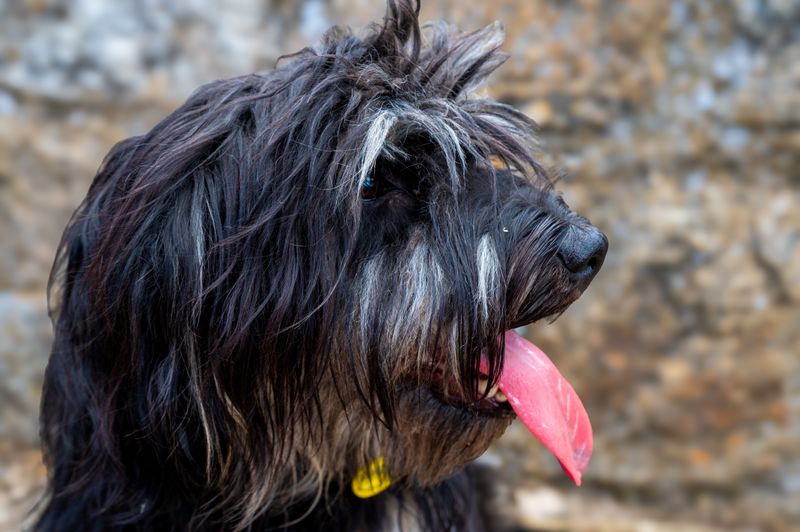
For three years, the ridgeline trail behind our house was the best hour of my older dog's week. Maple, a nine-year-old shepherd mix, would practically drag me up the switchbacks. Then one Saturday in late fall, about a quarter mile in, she simply stopped. Ears flat, weight shifted back, staring into a stand of pines off the left side of the path. I couldn't see or hear anything. She turned around and walked back down the trail toward the car and stood by the tailgate, waiting, like the hike was over. It was over. She wouldn't go another step into the forest.
The next weekend was the same, only earlier, she balked at the trailhead, before we even entered the trees. I had two dogs to manage, since my younger one, Biscuit, was still raring to go, and now every hike turned into a two-dog negotiation on top of everything else. I'd leave Maple in the car with the windows cracked while I walked Biscuit, and then I'd feel guilty the whole loop. Something had put the fear of the forest into a dog who used to own it, and I had no idea what.
Why This Happens
Dogs go off a familiar place for a short list of reasons, and it's worth walking through them honestly instead of assuming. The most common one is a single fright, a coyote calling close by, a sudden scuffle with wildlife, a tree branch cracking and falling nearby. A dog's memory for a place attached to a scare is long and specific. From then on, that stand of pines smells like danger, and no amount of cheerleading from you overrides it.
The second possibility is physical. A nine-year-old shepherd with a sore hip, an aching back, or a tweaked paw will often quit a trail partway rather than show a limp. She's telling you the terrain hurts. If the refusal trends toward downhills, rocky sections, or after a long stretch, suspect pain before you suspect fear. Getting a vet to check for arthritis or injury should always come before any training plan.
The third is sensory overload. Forests are loud to a dog, gunshots from distant hunting land, ATVs, thunder rolling off a ridge, unfamiliar scents of predators. A dog whose stress threshold has been creeping up all season can flip on a single bad day and start associating the whole trail with that spike. And it doesn't help that I was juggling two dogs on one lead, which meant Maple got less of my attention and split focus right when she needed reassurance.
What I Tried First — and Why It Didn't Work
My first instinct was to push through it. I figured if I just kept walking and acted confident, she'd fall in behind me like always. She didn't. She planted, I pulled, and I ended up half-dragging an increasingly panicked dog up a mountain. After two tries, she started hiding under the car when she saw me reach for the hiking boots.
Then I tried treats as a bribe. A handful of chicken at the trailhead got her maybe ten feet in, and then she'd take the food, turn around, and head back to the truck. I was rewarding her for standing at the edge and calling it progress when I hadn't changed how any of it felt to her.
My third attempt was avoidance, I just stopped taking her and hiked Biscuit alone. That was the easiest and the worst. It kept the peace, but it told Maple, with my behavior, that the forest really was a place to be avoided, and her world got smaller every weekend. Avoidance manages the problem. It never solves it.
What Actually Worked
Two changes turned the corner. The first was making the trip a two-dog operation I could actually control, and the Hands Free Double Dog Leash for Two Dogs was the piece that made it possible. Before, I was white-knuckling two separate leads and had no hands free to feed or reassure Maple. This rig is a heavy-duty bungee splitter that clips to a waist belt and lets me walk both dogs hands-free, so both my hands are free, one for treats, one for a reassuring hand on Maple's chest. The bungee absorbs Biscuit's pull so Maple doesn't get yanked when her brother lunges at a squirrel. Suddenly I wasn't a dog-walker stretched to my limit. I was a handler again.
The second change was a real counter-conditioning routine, and the 1Cup Silicone Dog Training Treat Pouch made it workable. I clipped it to the waist belt and filled it with something Maple only ever got on the trail (the timing of the reward is everything in this kind of work, and a pouch I could pop open in a second without fumbling in a pocket was what let me feed her at the exact instant she noticed the scary thing and still chose to look at me. We started a hundred yards before the spot where she used to balk, feeding and turning back while she was still relaxed, and added ten yards a session. It was two steps forward and one back for about three weeks.)
The rest was patience and honesty about her age. The vet found early arthritis in her left hip, which explained part of the hesitancy, and we started managing that. I switched to shorter, flatter trails on the days she seemed stiff and saved the ridge for her good days. I stopped forcing and started reading her. By late winter, Maple walked the first half-mile of the ridge again without stopping, not as fast as Biscuit, not all the way up, but she was back in the trees she used to love, and that was the whole victory.
What I'd Tell Someone Starting Today
Ask the vet before you ask a trainer, especially with an older dog. A dog who quits a trail partway, where she used to charge ahead, is very often a dog with a sore joint, and no behavior plan fixes a painful hip. Once pain is ruled out, shrink the hike until your dog is relaxed the whole time (even if that's the parking lot. Feed her for calm behavior, not for reaching a destination, and add distance only when she's still taking food with her whole body loose.)
And don't fall into the avoidance trap like I did. Skipping the thing she's afraid of feels kind, but it shrinks her world and confirms the fear. Take both dogs with the right gear so you keep your hands and your patience, and let the trail be a series of small wins instead of one forced march. Maple will never bomb up that ridge like she's five again, and that's fine. She walks it now on her own four feet, and she's happy to be there, that's what I was actually after all along.
This post may contain affiliate links. If you buy through one of them, we earn a small commission at no extra cost to you.