
The Vet Wanted to Put My Dog Under for a Dental Cleaning. How I Avoided It by Brushing at Home
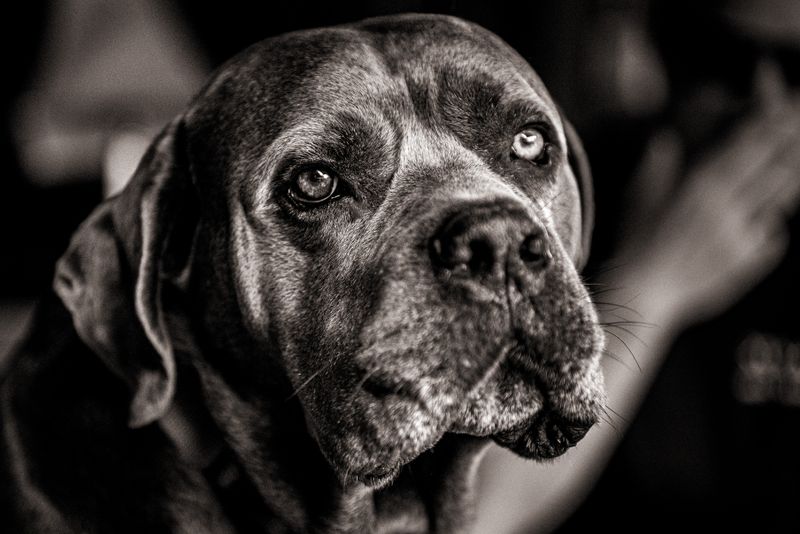
When the vet tech handed me the estimate, the number at the bottom wasn't the part that made my stomach drop. It was the line that read "general anesthesia." Sam, my eleven-year-old terrier mix, had a bad reaction to sedation for a minor procedure two years earlier, nothing catastrophic, but he came home panting and glassy-eyed for a full day, and I'd spent that night on the floor next to his bed convinced I'd lose him. Now here I was being told that a full dental cleaning meant putting him under again, and I couldn't bring myself to sign the consent form.
What I did instead wasn't brave or clever. It was bored and repetitive, and it started with a confession: I had never once brushed my dog's teeth in eleven years. Like most people, I'd always figured kibble scraped the plaque off and that bad breath was just something dogs had. It isn't. The smell coming off Sam's breath was the smell of tartar building up along his gumline, and I'd been ignoring it because nobody had ever shown me it mattered.
Why This Happens
Here's what I understood only after I started reading up on it: by age three, most dogs already show some degree of periodontal disease. It doesn't announce itself. It builds quietly under the gumline, where you can't see it and where a dog's breath starts to change. The bacteria that cause it form plaque within hours of a meal, and if that plaque isn't disrupted, it hardens into tartar within a few days, and tartar, unlike plaque, can't be brushed away. That's the point at which professional scaling under anesthesia is the only thing that can actually get below the gums.
That's the honest truth, and I want to be straight about it: home care is not a substitute for a veterinary cleaning when a dog already has significant disease. What daily brushing does is slow the whole process down. It disrupts plaque while it's still soft, it keeps the gumline healthier, and it can meaningfully stretch the interval between cleanings, which is exactly what I needed, because the alternative for Sam was going under again sooner.
There's also a reason so many dogs never get their teeth brushed at all: the whole thing fails before it starts, because people try to jam a brush into a dog's mouth on day one and the dog decides hands near their face are a threat. You can't train that out with force. You build it in tiny steps, the same way you'd teach anything else, and you make the experience something the dog wants instead of something that gets done to him.
What I Tried First — and Why It Didn't Work
My first attempt was the classic human toothbrush. I bought one, put dog toothpaste on it, and went straight for the back molars. Sam clamped his jaw shut and turned his head so hard he nearly slipped off the couch. I'd learned nothing about his mouth and taught him that a brush coming toward his face was something to escape.
Then I tried the dental wipes, thinking they'd be less invasive. They weren't terrible, but they only reach the outer surface of the teeth, they were fiddly and cold, and after a week of wrestling for thirty seconds a night, I was the one who quit, not the dog. Consistency matters more than technique here, and a routine you dread doesn't survive.
My third try was the dental chews you buy in a bag. Sam loved them, which was the problem, he'd gnaw one down in ninety seconds flat, and something that's gone in a minute looking does almost nothing for the gumline. I was spending money on treats with a marketing claim attached, not on anything that actually interrupted plaque.
What Actually Worked
What finally made brushing possible was slowing way down and making mouth handling a good thing, and two things helped enormously. The first was a lick mat, the Heartbeat Puppy for Dogs Calming Set came with one, and its heartbeat feature settled Sam on the couch while the mat gave him something to do that kept his head still. I spread a smear of dog-safe peanut butter across it, set it on the floor with his front paws on either side, and while he licked, his mouth was relaxed and open just enough for me to work. No wrestling, no clamping. The lick mat buys you ninety seconds of cooperative, happy dog, and ninety seconds a night is enough.
The other half was the vest for the appointments I couldn't avoid. The ThunderShirt for Dogs Calming Anxiety Vest in the Large Platinum Sport size goes on Sam before we walk into the clinic, and it takes the edge off his vet-visit nerves, which means the vet can actually look at his mouth without him trembling. It doesn't replace brushing at home. It makes the times we do have to be there calmer for everyone.
For the brushing itself, I started with my finger and dog toothpaste for the first two weeks, just let him taste it, no toothbrush, no pressure. Then I worked the outside surfaces one quadrant at a time, front teeth first, always ending on a good note and always with a reward. I aim for the gumline, where the plaque starts, and I don't fight the inside of the teeth, which get cleaned by tongue action anyway. Five nights a week, sixty seconds, done. Six months later, the vet told me Sam's tartar had actually improved and we could push the cleaning out. I still expect he'll need one eventually. I just bought us time, on his terms, without another scary night of watching him come out of sedation.
What I'd Tell Someone Starting Today
Start tomorrow (but start with your finger, not a brush, and start with a taste of dog toothpaste instead of a poke at the back teeth. Spend a week just getting your dog comfortable with your hand near his mouth, then work one tooth at a time. If you're consistent for five nights a week, the plaque never gets the chance to harden, and that's the entire game.)
And be honest with yourself and your vet: brushing slows the clock, it doesn't rewind it. If your dog already has heavy tartar, bleeding gums, a loose tooth, or genuinely foul breath, book the professional cleaning and use home care to keep it from coming back so soon. Terrified-senior-dog anesthesia is a real worry, and your vet can talk through risk, pre-anesthetic bloodwork, and pain management to make it safer. For Sam, the plan was no longer "clean his teeth for him." It was "keep them clean enough that we don't have to, for as long as possible."
This post may contain affiliate links. If you buy through one of them, we earn a small commission at no extra cost to you.