
My Dog Acts Off for Two Days After Every Grooming Appointment — Here's What's Really Going On
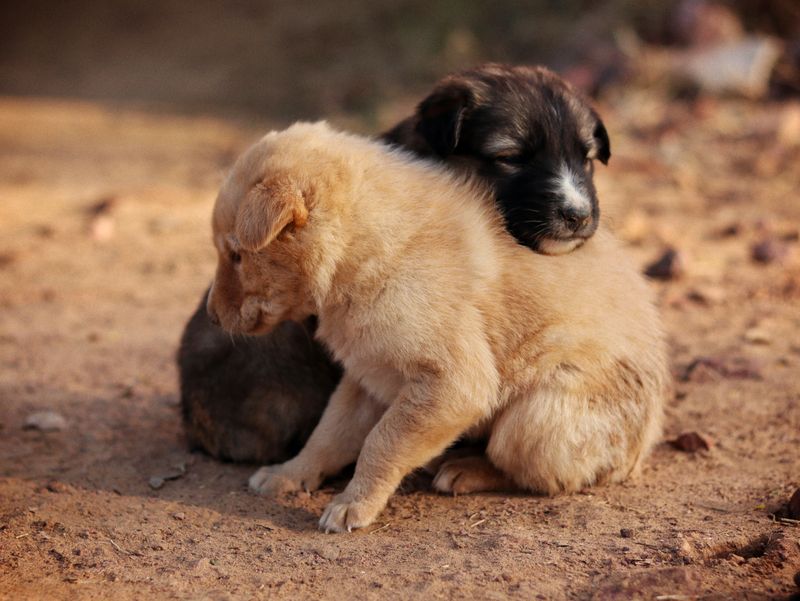
Every time Winnie comes home from the groomer, I have a dog I don't quite recognize for about forty-eight hours. She's a five-year-old cocker mix, normally a shadow who follows me room to room and shoves her head into my lap at every opportunity. The day after grooming, she hides under the bed. She flinches when I reach for her, she won't eat her dinner, and she's short-tempered with the cat in a way she never is. By day three, she's back to being Winnie, and the whole cycle repeats the next time I book her in.
I used to think I was imagining it, until my partner pointed out that the same thing happened after every single appointment. That's when I stopped treating it as random and started paying attention. What I learned changed how I groom her entirely, and, honestly, made me reconsider how much of a "treat" the whole appointment ever was for her to begin with.
Why This Happens
There's a name for the day-after weirdness some groomers use: post-grooming malaise. It's not a diagnosis and it's not a disease, it's a catch-all for a dog who's been through a demanding experience and is now processing it. Grooming is loud, it's physical, and it's a lot of handling in a short window. Clippers vibrate and hum near the ears and face. Blow dryers roar. Strange people hold the dog's paws, lift their chin, and touch their belly, all the places a dog is most careful about. For two hours, the dog is on a table being handled in ways they'd never allow at home. Even a dog who tolerates it is absorbing a stress load, and the bill comes due the next day.
There's also a physical component people don't always consider. Long sessions can leave muscles sore, especially in older dogs, and stray clipper nicks or irritation from a tight cut or a strong shampoo can make the skin feel raw. Add a new cut that changes how the coat feels and, more importantly, how the dog smells, and dogs rely heavily on scent, and you can get a dog who feels, quite literally, not like herself. Plus, some dogs get an upset stomach from the stress alone, which explains the refused dinner.
And then there's the sensitivity question, which was the key insight for Winnie. Groomers have to handle the face, the muzzle, the paws, and the ears, the parts of a dog that are most likely to never have been handled gently and consistently at home. A dog who's never had anyone touch her mouth without a fight is not going to handle two hours of it well. The appointment isn't the problem so much as the lack of preparation for it.
What I Tried First — and Why It Didn't Work
My first fix was to stop grooming her so often. I stretched the appointments out, thinking less frequency meant less stress. That backfired, because a longer, overgrown coat means more mats, and more mats mean the groomer has to pull and tug harder to get through them. Winnie came home from that appointment the worst I'd ever seen her. More fur, more fighting.
Then I tried a different groomer, assuming the first one was rough. The second shop was kind, slower, and cheaper, and the day-after behavior was nearly identical. It wasn't one person. It was the experience.
My third attempt was sedation before the appointment, which I want to be careful about. I asked the vet about it, and the answer was that medicating around a grooming appointment is a real conversation to have with a professional, but I was reaching for it as a shortcut instead of doing the harder work first. I shelved it and looked at what I could change at home.
What Actually Worked
The thing that made the biggest difference was building up Winnie's tolerance for being handled, at home, in tiny daily doses. And the most useful tool for that turned out to be a Jasper 360° Finger Toothbrush. The point wasn't really her teeth, it was her mouth and face. Slip the soft bristled cap over your finger, and suddenly the scariest part of grooming, someone's hand on your muzzle, happens daily, gently, in a place you feel safe, rewarded with a treat and never forced. After a couple of weeks of that, her face handling at the groomer stopped being a fight, which meant the whole appointment stopped being so adversarial. The 2-pack let me keep one at the sink and one in the bathroom, so the routine never got skipped; the 4-pack is what I'd grab now so nothing goes missing and I'm never hunting for it at nine at night.
Alongside that, I changed three things about the appointments themselves. I asked the groomer for shorter, more frequent visits so she's never on the table more than about an hour, and I requested she come home without a full blow-out dry if it's bothering her. I dropped brushing off in the morning so there's less friction on the coat. And I started booking the first slot of the day, so she's not waiting her turn in a room full of barking dogs, which was clearly part of the stress load. The day-after malaise went from two full days to a quiet evening and a nap, and the shy behavior basically disappeared.
None of this required a special product or an expensive fix. It required treating grooming as something my dog needed to be prepared for, the same way I'd prepare her for the vet, instead of something that just happened to her twice a season.
What I'd Tell Someone Starting Today
If your dog is off for a day or two after grooming, take it seriously instead of writing it off as "she's just tired." Start handling practice at home, paws, ears, muzzle, tail, for a minute a day, rewarded, never forced. A soft finger brush is a cheap way to make the face-handling part normal. Book shorter appointments, request the first slot of the day when the shop is quiet, and skip the aggressive dry-off if it rattles her.
But draw a line and watch for the signs that it's more than malaise: limping, yelping when touched, obviously raw or bleeding skin, or a dog who hides from you specifically. Those are pain or injury from the groomer, and you should call the shop and your vet. For Winnie, the answer was smaller, more frequent appointments and daily gentle handling at home. Two days of a stranger in her own house became an afternoon nap. She still wants nothing to do with the clippers, but she's my dog again the same evening.
This post may contain affiliate links. If you buy through one of them, we earn a small commission at no extra cost to you.