
The Cost of Owning a Dog Just Keeps Going Up. Here's How I Cut Hundreds Without Cutting Corners
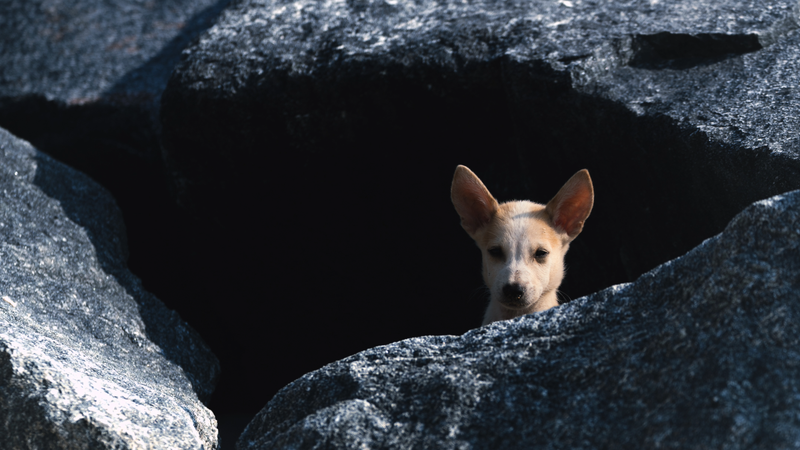
I keep the receipts in a shoebox, and one rainy weekend I finally added them up. Between the annual vaccines, the flea and tick prevention, the food, the nail trims, the occasional boarding, and, the one that made me blink, a thirty-percent jump in the vaccine visit compared to two years earlier, my dog was costing me more every single year. Duke is a healthy six-year-old lab mix. Nothing about him had changed. Everything about the bill had. I'd assumed I was just being a responsible owner, and I was. I was also, it turned out, being a slightly lazy one, and the laziness was expensive.
So I did what I'd do with any household expense that had crept up on me: I broke it down and looked for the fat. I wasn't trying to cheap out on Duke's care, skimping on vaccines or vet visits isn't saving money, it's pre-paying for a bigger emergency later. What I found instead was a stack of spending that was really about me buying convenience and entertainment, with a dog-shaped label on it. Fixing that saved me a few hundred dollars over the year, and honestly, Duke liked the new version of our routine better.
Why This Happens
The rising cost of dog ownership is real and it's mostly out of your hands, which is why it feels so frustrating. Veterinary care has gotten more expensive across the board (the same forces that drive up human healthcare drive up animal care. Better diagnostics, more specialized medicine, more advanced anesthesia and monitoring, higher staffing costs, and the simple fact that clinics are businesses keeping up with their own rising overhead. When you hear "vaccines are up thirty percent in two years," that's not your vet getting greedy. It's the whole system moving, and that increases everything from the office visit to the bloodwork to the dental cleaning.)
On top of the medical side, the ownership category has exploded. There's a premium version of literally everything. Food, beds, toys, treats, "enrichment" products, subscription boxes. A lot of it is genuinely good. A lot of it is a solution to a problem you didn't have. And here's the trap: the thing we're sold most aggressively is paid convenience, daycare, walkers, boarding, a groomer for every little thing. When much of it can be replaced with something that's actually better for the dog and cheaper for you. Mental exercise is the perfect example. It tires a dog far more efficiently than physical exercise, and you can deliver it at home for the price of a single toy, versus paying a walker to run him around a block.
The catch is that fixing this requires a bit of your time, and time is exactly what people are short on when they start outsourcing everything to a service. That's the real trade: your money or your attention. I found I'd been spending money to buy back attention I could have spent better.
What I Tried First — and Why It Didn't Work
The first thing I tried was just downgrading everything, cheaper food, cheaper treats, skipping the good toys. That's the wrong lever entirely. Cutting the quality of food or treating prevention like an optional expense doesn't save money over a year; it risks a vet bill that dwarfs the savings. I dropped that idea fast.
Then I tried shopping my way to savings with coupon codes and subscription discounts. It was tedious, it tied me to brands I didn't love, and after a month of clipping and clicking I'd saved maybe eleven dollars. The effort-to-savings ratio was embarrassing.
My third attempt was to cut Duke's activity spending by signing him up for a cheaper, longer daycare day. That "saved" me money on paper until I realized I was paying a premium for a dog to be tired, when the tiredness itself was the product. That's when the light clicked on: I was buying exercise and stimulation at a markup, and I could produce both at home.
What Actually Worked
The single biggest change was replacing paid stimulation with a puzzle toy, and the one that earned its keep was the BSISUERM Dog Puzzle Toy Adjustable Treat Dispensing Ball. Instead of paying someone to walk Duke for an extra hour, I fill the ball with part of his dinner and let him work for it. He rolls it, noses it, and figures out how to get the kibble out, and ten minutes of that tires him more than a twenty-minute march around the block. Because it's adjustable, I could start easy and make it harder as he got smarter, which kept it interesting instead of something he solved once and ignored. I also stopped treating "bored" as something I had to pay a service to fix.
I added the PETSTA Dog Puzzle Toys as a second option and rotate it through the week, so no single toy goes stale. Different puzzles work different "muscles", some reward licking and nosing, some reward pawing and problem-solving, and keeping two in rotation means Duke gets genuine mental work every day without me spending a dime on daycare. The trick I learned: don't feed his whole meal in a bowl and then wonder why he's restless. Put a portion of it in the puzzle and the feeding itself becomes the enrichment. That's a genuine two-for-one. I'm spending the same money on his food and getting a free activity out of it.
The rest was a handful of boring audits. I compared vaccine and prevention prices across a couple of local vets instead of staying loyal on autopilot, same quality, real savings. I asked my vet which of the recommended diagnostics were truly annual and which could be spaced out for a healthy adult dog, and she was honest about it. I started trimming Duke's nails myself, which took one afternoon to learn and now saves a groomer visit every few weeks. And I bought a nail grinder and a brush instead of booking "spa days," because grooming at home isn't just cheaper, it's less stressful for him. None of that is about denying Duke anything. It's about no longer paying a premium for things a well-managed dog owner can simply do.
What I'd Tell Someone Starting Today
Cut the convenience, never the care. Never trim the vet budget on prevention or the food budget to the point of poor nutrition, those are false economies that come back as emergencies. What you can trim is the paid convenience: the daycare, the walker, the impulse toys, the spa days. Put a portion of your dog's meals into a puzzle instead of a bowl and you'll replace an expensive service with a better activity for free.
Then treat a couple of small tasks as skills you learn once: nail trims, brushing, comparing vaccine prices around town. An afternoon of learning and a cheap tool can save you a few hundred dollars a year. And ask your vet honest questions about the schedule, which tests matter annually and which don't for a healthy dog. Because no one discusses it unless you ask. Duke's yearly cost is down by several hundred dollars, and he's getting sharper mental workouts and more of my time than he did when I was outsourcing everything. Cheaper for me, better for him. That's the rare version of the deal that actually works out.
This post may contain affiliate links. If you buy through one of them, we earn a small commission at no extra cost to you.