
A Stray Cat Kept Raiding My Kitchen — How I Finally Stopped the Food Thief
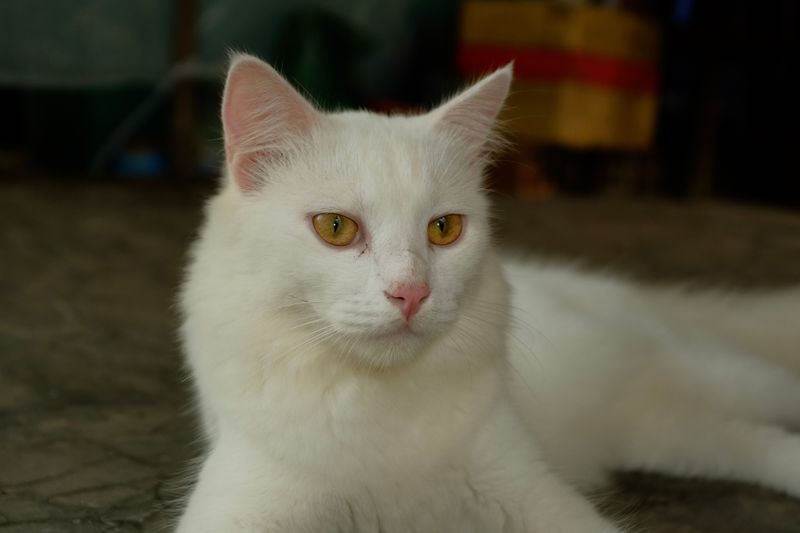
It started with an empty bowl. I'd fill my cat Juniper's dish before bed, and by morning it would be licked clean in that particular way she never managed, no tidbits, no crumbs, just a bowl polished to the shine. Then one night I came downstairs for water and caught the culprit: a scruffy gray tom from the neighborhood, halfway through the kitchen with his head in Juniper's bowl like he owned the place.
Juniper was sitting on the counter watching him, ears back, furious and completely outmatched. Over the next few weeks the tom got bolder, he'd slip in through the pet flap at dawn, eat whatever was down, spray the baseboard to make his point, and leave Juniper stressed and off her own food. I was feeding two cats and only one of them lived here, and my cat was the one losing weight.
Why This Happens
Free-fed indoor cats are the easiest mark in the neighborhood. A bowl that's always full is an open invitation, and an unneutered tom has both an enormous appetite and a territorial drive to claim the space where food appears. He wasn't "stealing" in any moral sense, he was following a reliable resource and marking it as his.
The pet flap is the real problem in most homes. It's a one-way guarantee of access for anything that can push it. Cats are quick learners, and once a stray figures out that a small plastic door leads to free food and no humans, he'll come back every day at the same time. He's not being sneaky by cat standards. He's being efficient.
There's a schedule factor too. Strays develop routines around food the same way pets do, so if a bowl is reliably full at six in the morning, that's when the raid happens (like clockwork. The behavior looks calculated because it essentially is. He's not guessing where the meal is. He already knows.)
And the reason Juniper started refusing her own food is worth understanding, because it looked like a sickness at first. Cats are deeply territorial about feeding, and a cat who's been repeatedly ambushed at her own bowl develops something close to a food aversion. Eating became stressful, so she stopped. A cat that won't eat is a medical concern in its own right, just not the one I initially assumed.
What I Tried First — and Why It Didn't Work
My first move was to chase the tom off. I clapped, I shooed, I stomped down the stairs like a lunatic at six in the morning. It worked exactly until I went back to bed. He'd wait, then come right back. Deterrence that depends on a human being awake is deterrence that fails every single night.
Then I tried moving Juniper's food upstairs to a closed room. That stopped the theft, but it also didn't solve anything, the tom kept coming in to mark territory, and now he was spraying and yowling in a house where the food he wanted was out of reach. I'd removed the buffet and left the intruder with nothing to do but make trouble.
Next I tried feeding Juniper on a strict schedule so there was never food down to steal. That helped the theft, but it made her eat in a panic, she'd bolt her whole portion in under a minute the moment I set it down, which is its own problem. Fast eating in cats leads to vomiting and, over time, to the kind of eating pattern that makes weight and digestion harder to manage.
What Actually Worked
The real fix had three parts, and the first was controlling the door. I swapped the old flap for a microchip-reading pet door that only opens for Juniper's chip, so the neighborhood tom simply can't get in anymore. That single change ended the raids, the spraying, and the turf war. If you can't fit a smart door, a simple latch that closes the flap at dusk does most of the same work overnight.
The second part was making the stealing pointless even when a cat does get close. I started feeding Juniper from a slow-feeder bowl, and it turned out to solve two problems at once. It breaks her kibble up across a maze of ridges so she has to work for every bite, which ended the panicked ninety-second scarf-down the schedule had created. And here's the bonus: for any opportunistic cat who does slip in, that same maze makes a quick grab-and-go impossible, there's no easy mouthful to inhale. Food that takes work to extract is food a passing thief mostly gives up on.
The third part was giving Juniper her territory back psychologically, not just physically. I fed her in an elevated spot she could see the whole kitchen from, kept the feeding station in the same place every day so it felt like hers, and sat with her while she ate for a couple of weeks so she learned the bowl was safe again. Within ten days she'd stopped the panic-eating and her weight came back up. Cats recover from stress fast when the stress actually stops.
What I'd Tell Someone Starting Today
Control the access point first. Everything else is a band-aid if a stray can still walk in. Then make the food hard to grab: a slow feeder is cheap, it slows down your own cat's eating, and it makes your bowl a miserable target for anyone just passing through. And if your cat has gone off food for more than a day or two, get them checked, a stress-driven food aversion and a medical problem can look identical, and you don't want to guess.
The tom still suns himself on our porch. He's welcome to the yard. He is not welcome in my kitchen, and now he knows it.
This post may contain affiliate links. If you buy through one of them, we earn a small commission at no extra cost to you.