
My Cat Ate a Piece of Steak Fat and Then Refused to Eat. What I Learned
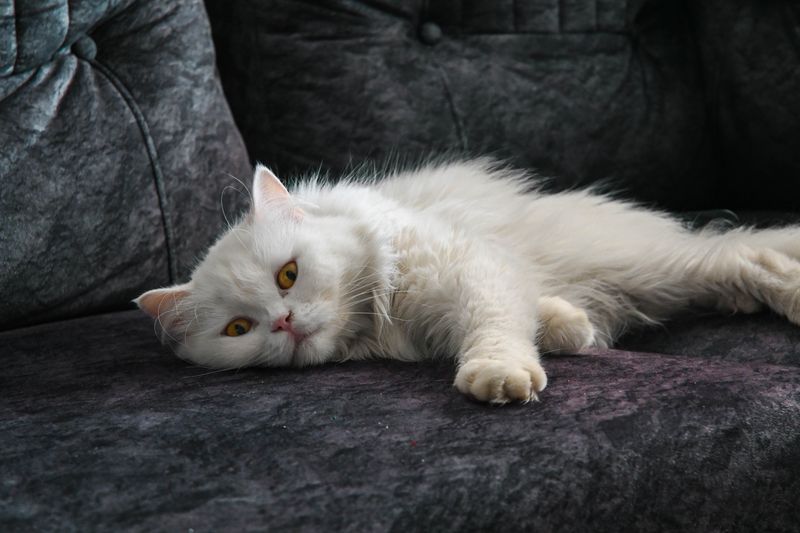
It happened during a Sunday cookout. I turned my back on the cutting board for maybe thirty seconds, and when I looked around, my cat Jasper was on the counter with his head in the trim bowl, working on a strip of steak fat like it was his last meal on earth. I shooed him off and didn't think much of it. Steak fat is just food, right?
By Monday night he'd stopped eating. Not "picky" stopped, he sniffed his dinner, walked away, and curled up under the bed. Tuesday morning his bowl was still full and he'd vomited once, a greasy yellow mess on the rug. That's the moment the story stopped being funny and started being scary, because a cat who refuses food is a cat who can go downhill fast, and I had no idea whether I'd caused it or whether something bigger was wrong.
Why This Happens
Cats are obligate carnivores, but that doesn't mean a slab of pure fat is good for them. Rich, fatty food, the exact thing that makes steak fat irresistible to a cat, is one of the classic triggers for gastrointestinal upset and, in serious cases, for pancreatitis. The pancreas is the organ that digests fat, and a sudden load of it can set off inflammation that makes the cat feel genuinely awful: nauseated, painful, and completely uninterested in food.
Nausea is the reason a cat stops eating, and it's important to take it seriously rather than waiting it out. Unlike dogs, cats can't safely fast for long. When a cat refuses food for more than a day or two, the liver starts mobilizing fat in a way that can tip into a dangerous condition, especially in cats carrying extra weight. Jasper was a sturdy twelve pounds, which made him exactly the kind of cat I needed to worry about.
There's a third piece, and it's the reason this article isn't just about one bad night. Jasper is a chewer. He chews cords, plastic, cardboard, anything he can get his teeth into, and the steak fat was simply the latest thing his mouth found. A cat with a strong oral drive will keep finding new things to chew unless he's given something better to chew on, and unattended food is the easiest target in the house.
What I Tried First — and Why It Didn't Work
My first instinct was to wait it out. Cats have off days, I told myself. By Tuesday evening, with Jasper still not eating and hiding under the bed, I understood that waiting was the wrong call and called the emergency vet. They checked him over, ran bloodwork, and sent us home with anti-nausea medication and instructions to watch him closely. The bloodwork was, mercifully, clean (this was gut upset, not pancreatitis. But I'd lost a day I shouldn't have lost.)
Once he was cleared, my next mistake was trying to win him back with better food. I opened a can of the fanciest pate I had, warmed it, hand-fed it. He turned his nose up at everything. Come to find out, a nauseated cat won't eat tempting food any more than a nauseated human will, the appetite has to come back on its own, and piling rich food on a tender gut can make it worse. The vet's instruction was bland and boring for a reason.
My third failed attempt was punishment-adjacent: I decided the answer was to lock Jasper out of the kitchen entirely. That stopped the counter-surfing in the short term, but it did nothing about the underlying chewing drive. He just redirected to the trash can and a houseplant. Treating the cat as a burglar instead of a chewer missed the whole point.
What Actually Worked
The recovery came in two stages: get his gut calm, then give his mouth something legal to do. For the gut, it was exactly what the vet said, small amounts of bland food offered every few hours, the medication on schedule, and patience. By day three he was eating again, tentatively at first, and by day five he was back to his normal demanding self. Cats bounce back quickly from a simple upset when you don't add more fat to the fire.
The second stage was the one that actually prevented a repeat, and it's where a serious chew toy changed the whole dynamic. I bought a tough, indestructible chew toy built for heavy chewers. The kind made from dense, durable rubber that survives a determined dog, and gave it to Jasper. I know a dog toy for a cat sounds odd, but that's the point: cat toys are built for batting, not biting, and they shred in minutes under a real chewer. This one could take the abuse. I stuffed a little freeze-dried treat inside, and Jasper spent twenty minutes working at it instead of hunting for cords and counter scraps.
Once he had a legitimate outlet, the counter-surfing dropped off on its own, because his mouth had somewhere to go. I also got disciplined about the kitchen, no unattended food, trim bowl off the counter immediately, trash can with a locking lid. Environment plus outlet is the same one-two punch that works for chewing in any animal. Take away the target, replace it with a better one.
The last change was knowing when to call. Now the rule in our house is simple: vomiting plus a full day of not eating means a call to the vet, not a wait-and-see. That single rule is what I'd hand to anyone.
What I'd Tell Someone Starting Today
If your cat gets into rich or fatty food and then goes off eating, don't wait it out. Call your vet, especially if there's vomiting or hiding. Offer bland food in small amounts, follow the medication, and let the appetite return on its own. Then look at your cat's mouth, not just the fridge: if they're a chewer, give them a toy tough enough to survive it, and stop leaving food where a determined cat can reach it.
I still trim steak on a plate in the sink. Jasper still wants it. The difference is that now he has something of his own to sink his teeth into, and the counter is a boring place to be.
This post may contain affiliate links. If you buy through one of them, we earn a small commission at no extra cost to you.