
My Cat Threw Up Every Single Pill I Gave Her — The Trick That Finally Made Meds Stay Down
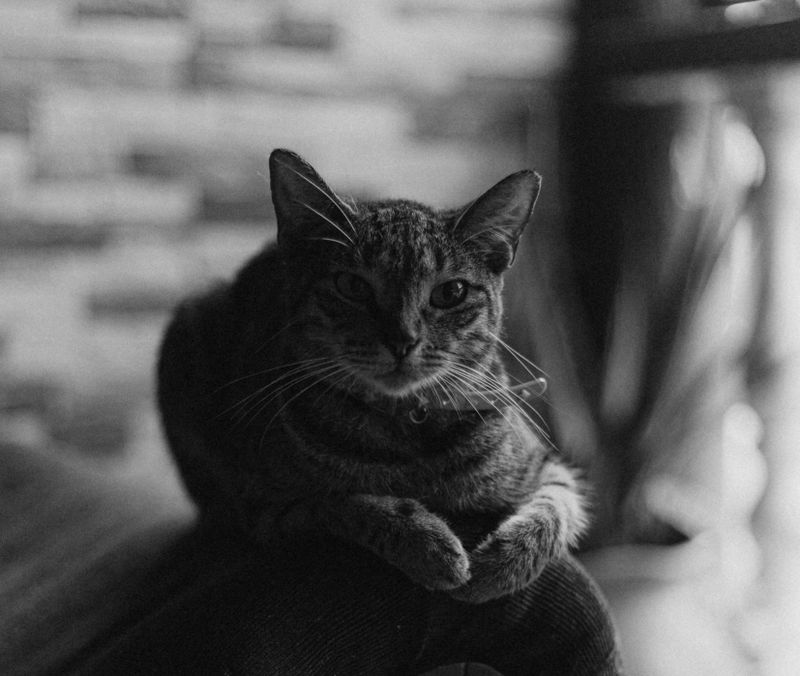
Olive needed a pill twice a day for ten days, and by day two I had a scrapbook of failures. The first one went into a pill pocket, the bacon-flavored dough capsule that's supposed to fool her. She chewed it thoughtfully, swallowed the pocket, and deposited the tablet (perfectly dry and unmarked, on the kitchen tile next to my foot. She looked at me like she was waiting for me to try again.)
It got worse. A pill gun squirted one down her throat and she brought it back up, foamy, within twenty seconds. Crushed and stirred into her wet food, the medicine turned her off the bowl entirely and she didn't eat for a day. By the third morning I was hunched over the sink at 6 a.m. Scraping congealed pill off the rug again, and Olive was hiding under the couch, and I understood why people give up on a course of antibiotics halfway through. It wasn't that she was stubborn. She was telling me, correctly, that what I was doing tasted like poison.
Why This Happens
Cats are, by a wide margin, the hardest everyday pets to medicate. They have an unusually sharp sense of taste, they're missing the sweet receptor but loaded with the bitter one, and a highly tuned gag reflex that exists to spit out anything that doesn't belong. A pill that rests against a cat's tongue for even a couple of seconds starts to dissolve, and the bitterness triggers the same reflex that would eject a spoiled mouse. That's the vomiting. It doesn't mean the drug is toxic or the dose is wrong. It means the cat tasted it.
Which is why the failure rate for pilling cats is so high, and why forcing it usually makes things worse. Every shove trains her that hands near her face predict a fight, so she starts hiding, clenching, and swallowing sideways. Within two days the pill-gun approach had taught Olive to distrust the whole ritual, and the actual medicine was going in the trash half the time.
There's one more physiological fact that ended up being the whole solution. A cat swallows as part of the licking reflex, the tongue cycles, the throat opens, and the food goes down without any conscious decision. So if you can get a pill into a lickable, highly palatable treat and let her lick it up, she swallows it before the aversion has time to fire. The job isn't to force a cat to take medicine. It's to make the swallowing automatic.
What I Tried First — and Why It Didn't Work
Pill pockets worked for exactly three doses. Cats are pattern-readers; by the fourth time she was nosing the pocket, eating around the hard lump, and leaving a neat little gift on the floor. The pocket was a variable I couldn't control.
The pill gun was worse than useless. It gets the tablet past the taste buds and into the back of the throat, which sounds like exactly what you want. And it is, if you're fast and lucky. I was neither. On the times it worked she got the pill; on the times she flinched, the tablet lodged against her tongue and came back up in under a minute, along with a lot of foam and a piece of my trust. Every miss set us back a day.
Crushing into food felt clever and was a trap. First, I had to call the vet to confirm this particular drug could even be crushed, some can't, because the coating controls how the medicine releases. Mine could, but the taste was so bitter that Olive walked away from a bowl of the good wet food she normally screams for. I lost a full day of dosing and taught her to be suspicious of her own dinner.
What Actually Worked
The technique that finally stuck was embarrassingly simple, and it was a LUKITO Lick Mat for Dogs & Cats, the two-pack with suction cups, that made it possible. Here's the whole routine. I press the mat onto the tile floor or the side of the tub with the suction cup so it can't skitter. I smear a small spoonful of lickable treat across the surface, plain chicken pate or a churu tube squeezed into a thin layer. Then I tuck the pill into the middle of the smear and fold the treat back over it so no dry pill is exposed.
The licking does the work. Olive goes at the mat with the same enthusiasm she has for the treat on its own, and because licking is a swallowing motion, the pill slides down inside the first few swipes, before her tongue has time to tell her it's bitter. Twelve doses into the course, she had no idea she was being medicated, she just knew the mat meant churu. The two-pack matters here, because I could keep one clean and drying while the other was in use, and the suction cups mean it stays put instead of being carried under the couch with the pill.
There was a second, less fun half to the fix. During the bad first week Olive vomited pill-and-foam onto the rug three times, and I'd been cleaning it with a general spray that masked the smell for a few hours and then let it come back. Cat vomit, like cat urine, leaves behind compounds that keep smelling even after the liquid is gone, and while I can't prove she cared, I know it kept announcing a bad memory in the exact spot where we did meds. I started using Rocco & Roxie Extreme Enzyme Stain & Odor Eliminator Spray on those spots, sprayed, blotted, and let it fully dry, and it killed the smell at the source instead of covering it. A room that no longer smelled like the last failure made the whole ritual calmer for both of us.
By day four we had it down to thirty seconds. Mat down, pill in, cat licking, done. The prescription finished on schedule, which was the actual goal.
What I'd Tell Someone Starting Today
Ask your vet which of the meds can be crushed, split, compounded into a liquid, or made into a transdermal gel (some drugs simply can't, and knowing that up front saves you a wasted dose. If it can be given with food, put a lickable treat to work instead of a pill gun, and let the licking reflex do the swallowing. Keep the mat somewhere easy to clean, and end every session the second the dose is down.)
And give yourself a break when the first attempts fail. You're not bad at this; cats are just built to reject foreign objects, and the fix is technique, not force. If you truly cannot get a critical medication into your cat and she needs it, call the vet and ask about an alternative form. Finishing the course matters more than being proud of how you did it. Olive finished hers on a lick mat, wondering why I kept celebrating.
This post may contain affiliate links. If you buy through one of them, we earn a small commission at no extra cost to you.