
She Wouldn't Stop Scratching My Furniture (What Finally Ended It)
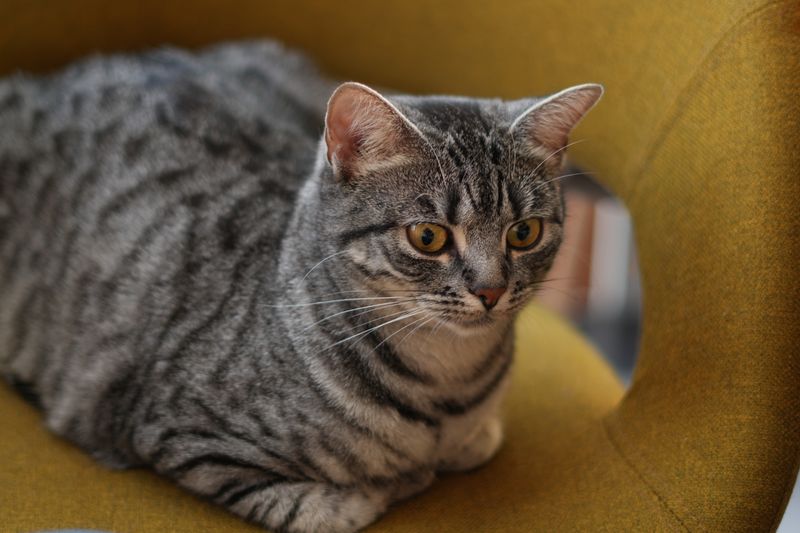
I came home from work one evening and found the corner of my good linen couch completely shredded. Not a scuff, not a loose thread, but a frayed, tufted mess you could see from the doorway. The culprit was sitting two feet away licking her paw, entirely unbothered. Our cat Millie had been working that corner for weeks, and I'd been in denial about it, telling myself she was just "stretching."
The plot thickened when I noticed a second problem: our dog Cooper had started scratching and chewing at the sofa cushions himself, leaving wet patches and a bald spot on the upholstery. Two pets, two completely different reasons for destroying the same couch, and I'd been treating both of them the same way, by yelling, which fixed nothing. It took a while to understand that one of these was behavior and the other was skin.
Why This Happens
Cat scratching isn't spite, and it isn't a phase you can wait out. It's three things at once: territory marking from scent glands in the paws, nail maintenance, and a big satisfying full-body stretch. Millie wasn't attacking my couch. She was doing cat things to the most convenient object available, and that object happened to have the tightly woven texture a cat's claws love, the same reason cats ignore flimsy cardboard posts and shred expensive upholstery.
Dog scratching is a different animal entirely, and this is the part I got wrong for months. When a dog scratches and chews at furniture, it's almost always an itch, not a habit. Allergies, fleas, dry winter skin, or a food sensitivity all present the same way: an itchy dog trying to reach a spot he can't quite get to. If your dog is scratching at your furniture, the question isn't "how do I stop the behavior." It's "what's making him itch."
And there's a crossover effect most people miss. In a multi-pet house, one animal's coat and dander load can make the other's allergies worse. Millie sheds heavily; Cooper is allergic to everything. The more loose fur and dander drifted around our house, the more Cooper itched. Two separate problems, quietly feeding each other.
What I Tried First — and Why It Didn't Work
First I tried the water bottle, spraying Millie whenever I caught her at the couch. It taught her exactly one thing: don't scratch when the human is watching. She moved her operation to 3 a.m. And to the corner of the sofa I never sat near. Punishment doesn't remove the urge to scratch; it just moves it out of sight, which is why it felt like it was working right up until I found a brand-new shredded cushion.
Then I tried covering the couch with a blanket and hoped she'd lose interest. She pushed the blanket aside with her head and scratched anyway. Deterrence without an alternative is just an obstacle a determined cat will defeat.
For Cooper, I tried switching his food and waiting to see if the scratching stopped. It didn't, because I'd guessed wrong about the cause, his itch turned out to be environmental, not dietary, and meanwhile I'd added a jar of allergy pills to the counter without a vet's guidance.
What Actually Worked
I finally solved it by treating the two problems separately, which sounds obvious and took me way too long. For Millie, the fix was giving her a better target and making the old one unattractive: two tall sisal posts placed right beside the couch she loved, a rocking scratcher she could lean into, and a citrus deterrent on the couch corners for a couple of weeks while she learned the new habit. Cats scratch where it feels good and smells like them, so I made the post the best-feeling, most-familiar surface in the room and let the couch fade into irrelevance. She hasn't touched it since.
For Cooper, the itch was the whole game. Bathing him on a regular schedule with a gentle, hypoallergenic dog shampoo soothed his irritated skin and rinsed off the environmental allergens sitting in his coat, the earthbath hypoallergenic formula became a fixture because it's mild enough for his sensitive skin and doesn't strip him or leave a heavy scent. A calm skin is a dog that stops chewing the furniture. Within a month, the wet patches on the sofa stopped appearing.
For the shedding problem underneath it all, I started grooming Millie on a real schedule instead of whenever I noticed hair everywhere. The Aumuca cat brush for shedding turned out to be the tool that made it sustainable, it gets deep into the undercoat to pull out the loose fur before it ends up in the air or on Cooper's skin, and the massage-like feel means Millie actually tolerates it instead of treating it as a wrestling match. Less floating dander meant less to trigger Cooper's allergies, which tied both problems together nicely.
The last piece was environment and consistency: I trimmed Millie's nails every two weeks, kept her play sessions going so she had something to scratch-stretch into that wasn't furniture, and stuck to Cooper's bath schedule even after he improved. Consistency was the only thing that made any of it stick.
What I'd Tell Someone Starting Today
Figure out which problem you actually have before you buy anything. If a cat is shredding the furniture, the answer is a tall, sturdy post right next to the target plus a deterrent. Not punishment. If a dog is scratching the couch, treat the itch: rule out fleas and allergies with your vet, start a gentle bathing routine, and groom the shedder in the house so dander stops making everything worse.
Both animals are fine now, and so is the couch. Millie has her posts, Cooper has calm skin, and the only thing anyone scratches at our house anymore is the front door when I'm late with dinner.
This post may contain affiliate links. If you buy through one of them, we earn a small commission at no extra cost to you.