
My Mom Got Bitten by Our Cat. Here's What We Learned About Cat Bites the Hard Way
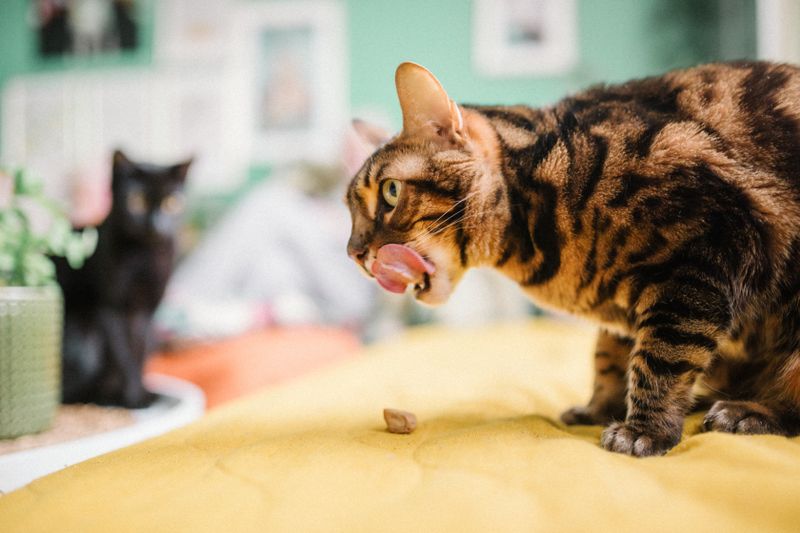
My mom was petting our cat Gatsby on the couch, and he was purring away, eyes half closed, the picture of contentment. My mom was petting and petting and petting. And then, with no warning I could see, he turned and sank his teeth into the base of her thumb. It was a single quick bite, deep, but small. "He didn't mean it," my mom said, and we all laughed it off while she rinsed her hand at the sink and put a band-aid on it.
By the next morning her thumb was swollen to twice its size, hot, and throbbing, and the redness had started creeping up toward her wrist. That's when the laughing stopped. We drove to urgent care, and the doctor said something I've never forgotten: cat bites send more people to the hospital than dog bites do, because they look so harmless and get so bad so fast.
Why This Happens
A cat's bite is engineered for infection. Their teeth are thin needles built to puncture, not tear, so a bite delivers bacteria deep into a small wound that closes up almost immediately. The surface heals and seals the infection inside. Pasteurella, the bacteria behind most infected cat bites, can cause visible swelling within hours, and a bite on the hand, where tendons and joints sit just under the skin, is one of the riskiest locations on the body.
There's a behavior layer too, and it's why the bite felt like it came from nowhere. Gatsby wasn't being aggressive. He was overstimulated. A cat can only take so much touching before the petting stops being pleasant, and when it tips over, the warning signs are subtle: a twitching tail, flattened ears, skin rippling along the back, dilated pupils. We read purring as "keep going" when in a lot of cats it can mean the opposite.
But the deepest lesson came later, when we figured out why Gatsby's tolerance had dropped. He was in pain. A hidden hot spot on his flank was bothering him, and a cat who hurts has a much shorter fuse than a healthy one. The bite was a symptom of a medical problem we hadn't noticed, not a personality flaw.
What I Tried First — and Why It Didn't Work
The first thing we tried was home care. Washing it, wrapping it, watching it. That was the mistake. For a cat bite on the hand, "wait and see" is the wrong instinct, because the window to prevent a serious infection is measured in hours, not days. We got lucky that urgent care was nearby. I've since learned that a cat bite that breaks the skin on a hand, knuckle, or wrist should be seen by a doctor the same day, often with antibiotics started promptly.
Next, once the wound was treated, I tried to "make peace" with Gatsby by giving him extra affection. That went badly, because I was still petting the exact cat with the exact painful spot using the exact handling that had caused the bite. I was solving the human's feelings and ignoring the cat's problem.
Then I tried managing his sore spot at home with a topical cream, which turned into a two-person wrestling match. Every attempt to look at the area made him defensive, and I nearly collected a second bite. A painful cat who's scared of being handled is a cat who bites faster the next time.
What Actually Worked
The human side came first, and it was simple: for any cat bite that breaks the skin, wash the wound under running water with soap for several minutes, elevate the hand, and get to a doctor promptly. My mom got antibiotics within hours, kept her hand raised, and had a follow-up to make sure the swelling was resolving. Cat bites are not a "tough it out" injury. Treating it fast is what kept a bad infection from becoming a hospital stay.
Once my mom was on the mend, we turned to Gatsby, and the real fix was finding the pain. The vet located an irritated, infected hot spot on his flank, cleaned it up, and sent us home with a course of treatment. That explained everything, the short fuse, the sudden bite, the flinching. A cat in pain isn't unpredictable. He's telling you something hurts.
Treating that spot, though, hit the same wall as my earlier attempt, only this time we had the right tool. A plastic cone would have been miserable for a nervous, already-defensive cat, and he was fighting every attempt to examine the area. A soft recovery suit solved the whole problem, it covered the treatment site so he couldn't lick or chew it, it let him move and eat and sleep normally instead of staggering around in a cone, and, most importantly, it meant treating him didn't require pinning him down. A calm cat cooperates; a fighting cat bites. The suit was the difference between a twice-a-day fight and a cat we could actually care for while the infection healed.
We also changed how we handle him. We pet for a count of a few strokes, then pause and check his tail and ears before continuing; we let him walk away; and we never go back for more after a warning. A cat who's allowed to leave rarely feels the need to bite.
What I'd Tell Someone Starting Today
Take every cat bite seriously (wash it, elevate it, and get medical care the same day, especially on the hand. Then look at the cat, not just the wound. Overstimulation has warning signs, and a sudden change in a cat's tolerance usually means pain. If you have to treat a wound on a cat who's scared of being handled, a soft recovery suit beats a cone for everyone involved.)
Gatsby is back to his old purring self, and my mom pets him in short, polite bursts now. The bite healed. The lesson stuck harder.
This post may contain affiliate links. If you buy through one of them, we earn a small commission at no extra cost to you.