
My Cat's Head Keeps Twitching and I Couldn't Tell What She Wanted — Here's What It Turned Out to Be
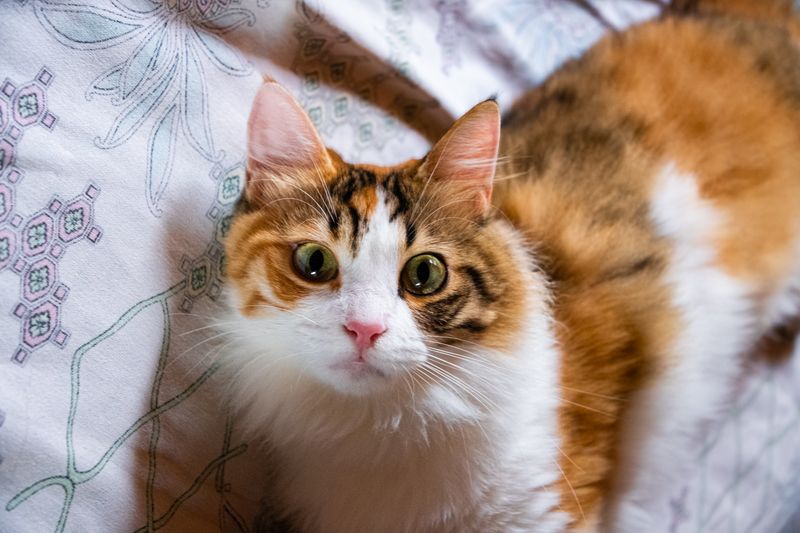
It started on a Saturday, when I was home all day and had nothing better to do than stare at my cat. Poppy was sitting by the window, and every few seconds her head would give a quick, sharp twitch to the left, not a full shake, just a flick, like she was flicking off a fly that wasn't there. Then she'd chirp at the glass, twitch again, and go back to watching the birds. It was cute for about ten minutes. By the afternoon, I was Googling "cat head twitching" and scaring myself to death.
That's the thing about being home and watching your cat closely: you notice things you'd otherwise miss, and your brain doesn't know whether it's looking at a harmless quirk or the first sign of something serious. Poppy's twitching sent me down a rabbit hole of head tremors, seizures, and neurological conditions before I did the sensible thing and actually observed what was happening, then called the vet.
Why This Happens
The first thing I learned is that "head twitching" covers at least three completely different things, and they have nothing to do with each other. There's the twitch that happens during prey-watching, head flicks and jaw chattering when a cat focuses on a bird or squirrel. That's a frustration response, a burst of hunting energy with no outlet, and it's totally normal.
There's the twitch from ear trouble. An itchy or infected ear makes a cat flick and shake her head in quick little motions, often tilting toward the affected side and pawing at the ear. If you see scratching at the ear paired with the twitching, that's your clue, and a vet should look inside.
And then there's the genuinely neurological category, which is why the term scared me so much. Head tremors in cats can be benign and harmless, or they can be a sign of something that needs treatment. The distinguishing features are subtle: does the twitch stop the moment the cat is startled or focused? Is the cat fully aware during it, or is she checked out? A cat who notices you open a can of food mid-tremor and snaps right out of it is a very different story from one who doesn't.
What I Tried First — and Why It Didn't Work
My first move was pure panic: I assumed the worst and started reading about seizure disorders, which made for a miserable forty-eight hours and helped my cat exactly zero. Dr. Google is terrible at telling the difference between a normal behavior and a disease, and I'd diagnosed Poppy with three conditions in one afternoon.
Then I tried the opposite, I dismissed it entirely and told myself she was just being quirky, without writing anything down. That was a mistake too, because when I finally called the vet, I couldn't answer basic questions about how often it happened or what triggered it. I'd watched it for two days and retained nothing useful.
Third, I tried a home remedy (cleaning her ears with a cotton swab and some solution I had in the bathroom cabinet. This is the one I want to smack myself for. A swab pushed into a cat's ear canal is a great way to pack debris deeper or scratch the canal, and if there was an infection, I was making it worse, not better.)
What Actually Worked
The real fix started with logging, which sounds like the most boring advice possible and turned out to be the thing that cracked it. I kept a simple note for a week: when the twitching happened, what she was doing, how long it lasted, and whether she responded to me during it. What the log showed was clear, nearly every episode happened while she was watching the window. That pointed at the prey-response twitch and away from anything ominous.
I also did the one test that separates the scary from the harmless: I said her name and offered a treat mid-twitch. She snapped right out of it, oriented to me, and ate the treat. A cat who's fully responsive during an episode pretty much rules out the seizure-type events. That single test did more to calm me down than two days of searching had.
The log and the response test were good enough to move the twitching out of the medical worry column, but there was still a physical piece worth handling. The ear inspections at the vet showed a little irritation and buildup that was aggravating a head-flick habit, so we got proper vet-approved ear cleaning into the routine, done correctly, with a gentle cleansing solution and a cotton pad at the outer ear, never a swab jammed into the canal. Since then the head flicks have dropped off noticeably. Managing ear health turned out to be half the fix.
The other half was giving the prey-drive somewhere to go. The chattering and twitching at the window was pure unspent hunting energy, so I started a daily wand-toy session and moved a perch away from the window so Poppy had something to do that wasn't just watching. A cat who's hunted for twenty minutes chatters a lot less at a glass pane. Enrichment sounds like a soft answer to a hard-looking symptom, but for this specific twitch it was the actual cause.
What I'd Tell Someone Starting Today
Before you spiral, log the episodes and try the response test, call your cat and see if she snaps out of it. If she stays fully aware and reactive, you're likely looking at the normal prey-chatter or a minor ear issue. If she checks out, if there's a head tilt and ear pawing, or if it's increasing, call your vet. Never swab inside a cat's ear canal yourself.
Poppy still twitches at birds. But now I know what I'm looking at, I keep her ears clean, and I wear her out with play, so when her head flicks, it's just a cat who really, really wants that squirrel.
This post may contain affiliate links. If you buy through one of them, we earn a small commission at no extra cost to you.