
My Cat Kept Picking at Her Spay Wound — I Swapped the Cone for Something She Didn't Hate
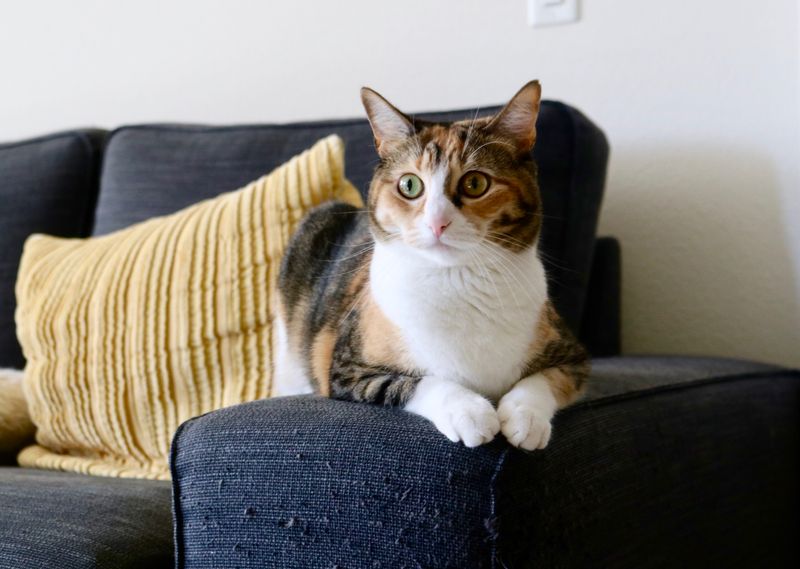
Nala came home from her spay with a plastic cone and a look of profound betrayal. For the first hour it was almost funny, the way she walked backward to try to escape her own head. Then she stopped eating. She stood in the middle of the hallway and stared at the floor because every time she lifted her head the rim bumped the wall. By the second night she had figured out how to brace the cone against the baseboard and reach her belly anyway, and I caught her licking the incision with the plastic jammed sideways against the floor.
The cone was supposed to protect the wound. Instead it was stressing her out, keeping her from eating and drinking normally, and not even really stopping her from getting at the stitches. The vet had told me to keep her calm and quiet, but the cone guaranteed the opposite. That is the trap nobody warns you about: the protection can create the very stress that slows healing.
Why This Happens
First, the itch. A healing incision itches the way any healing wound itches, and licking soothes it for a second. Cats do not understand that the licking is what reopens the wound and invites infection. They are just responding to a sensation that tells them to groom.
Second, the cone itself is a genuine problem for a cat. Cats handle with their whiskers, their peripheral vision, and a keen sense of where their body ends in space. An Elizabethan collar scrambles all three at once. Add the noise of plastic scraping the floor and the loss of the ability to eat and drink comfortably, and you have a stressed, disoriented animal. Stress means higher cortisol, and higher cortisol means slower healing and a worse appetite.
Third, and this is the part I did not appreciate at first: a hard cone that fits loosely can actually be braced against furniture. Nala did not defeat the cone by being clever so much as by using the whole house as use. What she needed was something she could not brace against anything.
What I Tried First — and Why It Didn't Work
My first instinct was to trust the process and just tighten the cone. I cinched the collar strap a notch and hoped she would settle. She did not settle. She refused breakfast the next morning and sat in a corner facing the wall, and I realized I was trading her wellbeing for a piece of plastic that was not even working.
Then I tried supervised cone-free breaks, a few minutes with the collar off so she could eat and groom in peace, with me watching closely. She was faster than me. The first time I looked away to check my phone, she was at the incision. Supervised breaks only work if your cat is slower than a distracted human, which mine is not.
My third experiment was a bitter-tasting spray applied around the surgical site. She made a face, shook her head, and went right back to it. She seemed to consider the taste a minor inconvenience. Worse, I worried the spray was irritating the skin the vet had just stitched, so I stopped.
What Actually Worked
The fix was a soft recovery suit, a fabric body suit that covers the belly and the incision directly, with no cone at all. Nala could eat, drink, use the litter box, climb onto the couch, and sleep normally, because her head was her own again. Because the suit hugged her body instead of hovering out in space, there was nothing to brace against the wall, and the fabric simply does not allow a cat to reach the wound. She adjusted to it in an afternoon, which is more than I can say for the cone.
The practical details matter. Measure from the base of the neck to the base of the tail and go by that measurement, not by weight, because the length is what determines whether the suit covers the incision. I bought two so one could be washed while the other was worn, and I checked the incision two or three times a day through the opening to make sure nothing looked red, swollen, or weepy. For a cat who absolutely will not tolerate fabric against her skin, a soft padded recovery collar, the donut kind rather than the hard cone, is the gentler middle ground, and it beats the plastic version on every count.
I also set up a quiet recovery room: a small bathroom with a low-sided litter box, soft bedding, and no furniture to leap onto. Restricting the jumping did more for the wound than anything else I did. A cat who is not launching onto windowsills is a cat whose stitches stay put.
What I'd Tell Someone Starting Today
Ask your vet what they recommend before you assume the plastic cone is the only option. Plenty of clinics are happy for you to use a recovery suit or a soft collar as long as the wound stays covered and clean (but ask first, because every surgery is different.)
Then commit to the boring parts. Keep her quiet, check the incision twice a day, and call the vet if you see swelling, discharge, a bad smell, or a cat who stops eating. A soft suit is not a substitute for watching the wound; it is a way to let your cat heal without also being miserable. Nala wore hers for nine days, slept on my pillow by night three, and never once picked at her stitches. The cone went in the trash where it belonged.
This post may contain affiliate links. If you buy through one of them, we earn a small commission at no extra cost to you.