
Everyone Said Walk My High-Energy Dog More — That Advice Nearly Broke Us Both
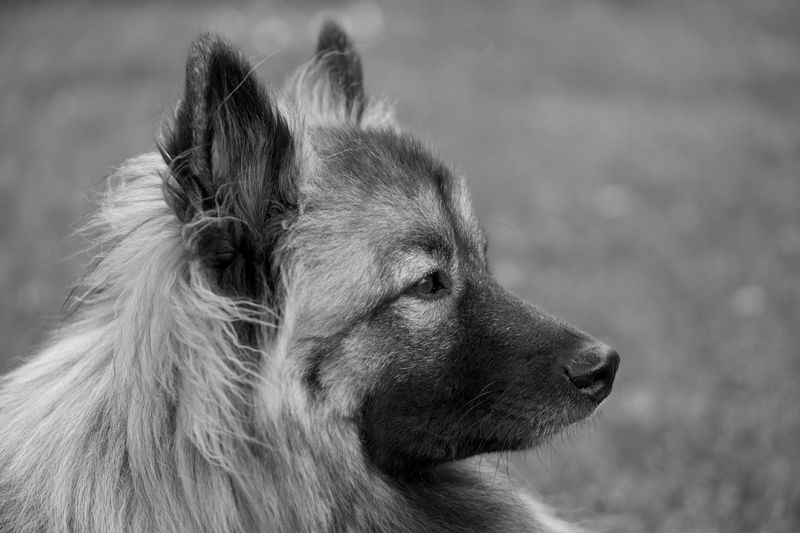
By month four with my Australian shepherd mix, I had a routine that would embarrass a marathoner. Forty minutes before work, an hour at lunch, another hour after dinner, plus a long weekend hike. My feet had blisters on blisters, and my dog was still pacing the hallway at ten at night like the walls were closing in. Everyone, friends, forums, the guy at the pet store, gave me the same line: "He's a working breed, he just needs more exercise."
So I kept adding. A fourth walk. A longer route. Fetch until he dropped. And every single time, he came home fitter, faster, and wired, not calmer. It took me an embarrassingly long time to see the pattern: I wasn't exhausting him. I was training him for a career in endurance he never asked for.
And because the fix is invisible, you can't photograph a settle, it's the first thing people abandon. Adding mileage feels like doing something. Adding calm feels like doing nothing, right up until the day your dog sleeps through a thunderstorm.
Why This Happens
Here's the part the well-meaning advice skips. Physical exercise builds stamina. Run a high-energy dog for two hours a day and you end up with a dog who can comfortably run two hours a day, and still has energy left over. You're not draining a battery; you're enlarging it. Working breeds were developed to move all day, so "tire him out" is a race you cannot win with your own two legs.
The other piece is that physical fatigue and mental satisfaction are completely different dials. A dog bred to herd, track, or problem-solve needs his brain used, and a bored brain is a loud brain. Ten minutes of real thinking, sniffing, searching, figuring something out, can land a high-drive dog flatter than an hour of jogging. Most people, myself included, were only ever told about the body.
Then there's arousal. When a dog spends his day in a spike of excitement and never practices coming down, he loses the skill of settling. Run him hard, bring him home still buzzing, and you've taught him that the only way to feel calm is to sprint. Which turns into a dog who can't relax without a job to do.
What I Tried First — and Why It Didn't Work
My first move was simply more of the same: I extended every walk and added a midday run. He got lean and gorgeous, and about twice as restless at night. More running genuinely made a fitness problem worse.
Next I hired a dog walker for two visits a day while I was at work. It sounded like the caring choice. Instead he came home overtired and cranky, snappy on the leash, grumpy with my partner's cat, mouthy at night. Being physically wrecked didn't make him content; it made him irritable, like a toddler who skipped his nap.
Then I tried to brute-force calm by crating him whenever he got wound up. That only taught him the crate was a punishment, and he started avoiding it at bedtime. The lesson underneath all three failures was the same: I was fighting his energy with volume when what he needed was direction.
What Actually Worked
I cut the two-hour workouts to about sixty minutes of walking, and I changed what those walks were. Instead of power-walking past everything, I gave him long, unhurried sniff time where he set the pace and read the world through his nose. Slower walks, same tired dog. Sniffing is genuinely tiring in a way jogging isn't.
I added short training sessions, ten to fifteen minutes, a few times a day, teaching him real skills and new tricks. Sit, stay, and down weren't enough; we worked toward things that made him think, like finding a specific toy by name or dealing with a little obstacle course in the yard. That kind of work uses the same drive running did, but it wears off in a good way.
I put his meals into puzzle feeders and a snuffle-style mat so his dinner became a job instead of a swallow. That one change bought me twenty calm minutes every evening. And I finally taught him to settle on a mat on cue, reward him for lying quietly, build the duration slowly, and eventually "go to your mat" meant he could switch off even when the house was busy.
The last piece was managing his excitement instead of firing it up. I stopped the wild, jumpy greeting when I got home, kept play structured, and gave him real recovery time between activities. Walks stopped being sprints and became sniffing tours. When I needed to refresh the puzzle feeders and durable chews he worked through, I kept them on a running supply list so I never ran dry mid-week.
I also started rotating his toys so the house stayed interesting without me having to be the entertainment. A toy that disappears for a week and comes back is new again, and that cheap trick bought me more peaceful afternoons than any expensive gadget. When the puzzle feeders wore out or I wanted a fresh chewer, I reordered from the same running list instead of rebuilding it from scratch.
Best pick
Calming Chews for Dogs
Turns a bowl of kibble into ten to fifteen minutes of problem-solving, mental work that actually tires a high-drive dog.
Check it out on AmazonAlternative
Calming Diffuser & Thunder Jacket for Dogs
Lets him forage his dinner by scent, which slows eating and gives his nose a job on the days walks are short.
Check it out on AmazonWhat I'd Tell Someone Starting Today
Stop trying to outrun your dog. Match his physical exercise to what his body actually needs, then spend the rest of your effort on his brain, sniffing walks, training games, puzzle meals. Ten minutes of thinking beats an extra hour of jogging for a high-energy breed, and it won't wreck your knees.
Teach the off-switch early, because a dog who can settle is worth more than a dog who can sprint. Six months after I stopped the marathon routine, my shepherd sleeps through the evening and still gets his miles in. The advice to "walk him more" wasn't wrong so much as incomplete, and once I added the other half, everything finally calmed down.
And don't measure progress by how tired he looks at night. Measure it by whether he can lie down while you eat dinner. That's the real finish line.
This post may contain affiliate links. If you buy through one of them, we earn a small commission at no extra cost to you.