
My Mastiff Puppy Got Diarrhea From Every New Food — Here's the Slow Switch That Finally Held
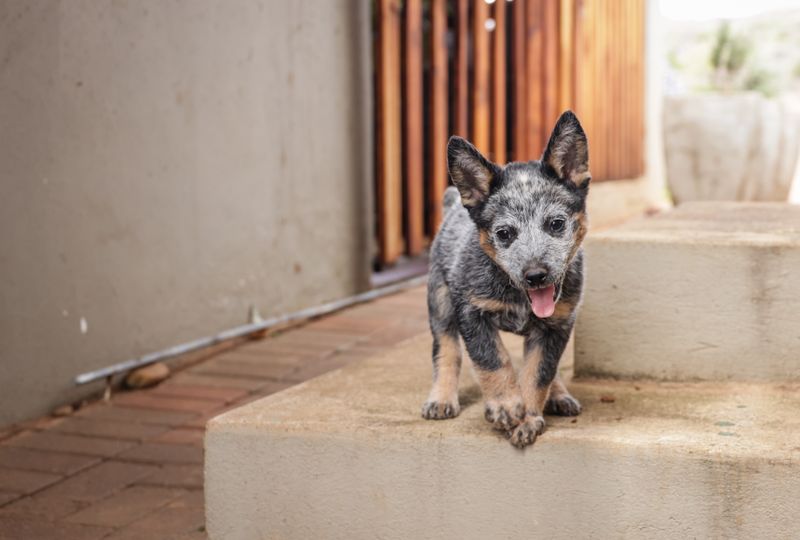
Our mastiff puppy, Duke, was eight weeks old and already the size of a small ottoman when his stomach declared war on us. The breeder had sent him home on one kibble; our vet suggested another; a friend swore by a grain-free brand. Every time we tried something new, we got two days of soft, pale stools, a puppy who whined at 3 a.m., and a yard I didn't want to walk across barefoot.
I did what anxious owners do, I switched foods again, faster, hoping to land on the "right" one. Each switch reset the clock and the mess. It took a bored afternoon and a patient vet tech on the phone to explain that the problem wasn't which food, it was how I was moving him onto it. Large-breed puppies have notoriously delicate guts, and I had been treating his stomach like a light switch instead of a dimmer.
And skip the temptation to switch foods just because a bag is on sale. A cheap bag that wrecks his gut costs more in cleaning, worry, and vet calls than the slightly pricier one he actually tolerates.
Why This Happens
A puppy's digestive system is still under construction. The gut is developing its own population of bacteria, the enzymes that break down food are still maturing, and a large-breed puppy is doing all of this while gaining several pounds a week. A sudden change of food, different protein, different fat level, different fiber, is essentially handing that young gut a completely new job with no training period.
Large breeds add a specific wrinkle. They grow fast, and their nutritional needs change quickly, which tempts owners to switch formulas often to chase the "best" option. But every abrupt switch disrupts the gut bacteria that were just starting to stabilize, so the puppy never gets solid footing. Owners then blame the food and switch again, and the cycle repeats.
There's also portion size. With a fast-growing giant breed, well-meaning owners pour generous meals to keep up with the growth curve, and an overloaded gut reacts the same way yours does after a holiday dinner (too much, too fast, straight through. What I needed wasn't a magical kibble. It was a slower hand at the bowl.)
What I Tried First — and Why It Didn't Work
First I switched brands cold turkey, convinced the current one was the culprit. Within twenty-four hours his stools went from bad to worse. I had just nuked the bacteria that were finally adapting, and I gave him no ramp at all.
Then I tried grain-free because the internet insisted grains were the enemy. No change except a lighter wallet, and honestly I later read that for most puppies the grain isn't the issue. I tried a homemade chicken-and-rice diet for a week, which helped for about two days before I realized I had no idea how to balance a growing giant breed's nutrition long-term.
Finally I tried feeding him less often but more at each meal, to "give his system a break." That backfired too, bigger meals meant bigger offenses, and the wide swings made it impossible to tell whether any change was helping at all.
What Actually Worked
The fix was almost insultingly simple: a slow, patient transition, over about seven to ten days. For the first few days I fed his old food with just a small spoonful of the new kibble mixed in. Each couple of days I nudged the ratio a little further toward the new food, and if his stools loosened at any step, I held that step for a few extra days instead of pushing on. Duke's gut got a ramp instead of a cliff.
Second, I stopped free-feeding and measured his meals, splitting his daily ration into smaller, more frequent servings through the puppy months. Smaller meals are easier on a developing gut, and a flat-bottomed, slow-feeder-style bowl kept him from inhaling his food in forty seconds, which cut down on the gulped air that made everything worse.
Third, I added a simple probiotic recommended by our vet to support the gut while it adjusted, and I kept his water bowl full and clean because dehydration during a soft-stool stretch makes everything harder. I also watched the clock: if diarrhea lasted more than a day or two, or came with vomiting, lethargy, or blood, that was a vet call, not a food experiment.
Finally, I leaned on treats the smart way instead of fighting them. During the transition I used a small, gentle training treat to reward good potty behavior, which kept our training on track while I dialed in his main food. Pick a single, simple treat and use it sparingly rather than a rotating buffet of snacks. The fewer new things hitting his stomach at once, the easier it is to spot what works. Once the kibble transition settled, so did the treats, and Duke finally had a solid week.
I also stopped treating every soft stool as an emergency and started treating every sudden change as the real problem. The rule that saved us was simple: change one thing at a time, then wait and watch. When you only move one variable, you actually learn what your puppy's gut can handle instead of guessing in the dark.
Best pick
Calming Chews for Dogs
A single, simple reward to use during the food transition without throwing another new ingredient at his gut.
Check it out on AmazonAlternative
Calming Diffuser & Thunder Jacket for Dogs
Few ingredients, easy to break into tiny pieces, and gentle enough for a puppy mid-transition.
Check it out on AmazonWhat I'd Tell Someone Starting Today
If your big puppy has a sensitive stomach, slow down before you switch anything. Give any new food a seven-to-ten-day ramp, measure his meals instead of eyeballing them, and hold steady at the first sign of loosening rather than pushing ahead. If stools stay soft past a day or two, or you see vomiting, blood, or a puppy who won't eat or play, call your vet, that's a symptom, not a food preference.
Duke is a hundred-pound lawn ornament now with a stomach of iron, and the thing that got us there wasn't a better brand. It was patience at the bowl and a handful of treats used sparingly instead of a pantry full. The food was never the villain. My hurry was.
Keep a written log, even a note on your phone, of what he ate and what came out the other end. Patterns you can't see day to day show up fast in a list of dates.
This post may contain affiliate links. If you buy through one of them, we earn a small commission at no extra cost to you.