
My Cat Got Out Once. I Never Sleep Right When She's Gone
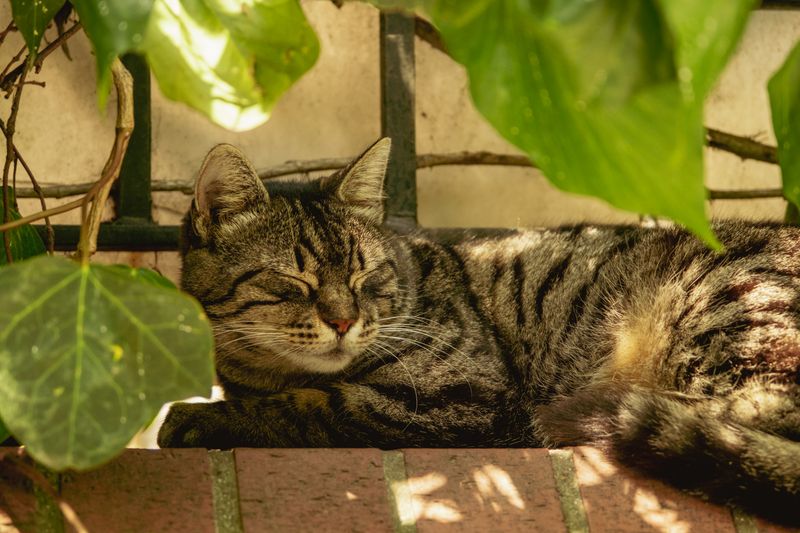
It was a Tuesday in July and I was carrying groceries in from the car. Two trips, that is all it took. On the second trip the screen door did not latch all the way, and sometime in the four minutes I was unloading bags, Marlow walked out of the only home she had ever known. I did not notice for almost an hour, and by then the summer twilight had settled and my calm, indoor, twelve-year-old cat was somewhere in a neighborhood of fences, sheds, and roads. We found her early the next morning, thirty-one hours later, flattened under a neighbor's deck, filthy and silent and shaking.
She was fine. A little dehydrated, a scrape on one paw, otherwise okay. I was not fine. For weeks afterward I woke at every small noise and lay there doing the math on which window might be open. I counted doors before I could fall asleep. That anxiety is the part nobody talks about, because the cat comes home and everyone moves on, except the person who keeps replaying the four minutes the door was open.
Why This Happens
Indoor cats do not sneak out because they are bored adventurers. They slip out because a door was open and the outside was simply there. Curiosity and a momentary gap are all it takes. And an indoor cat who gets out is usually not escaping toward anything, she is overwhelmed and hiding, which is why so many lost indoor cats are found within a couple of blocks, hidden under something, too frightened to answer a call.
The reason the memory sticks with you is that the risk did not go away just because she came back. The screen door still does not always latch. The dog walker still props the front door. Accidents of timing are the entire mechanism, which means the fix is not vigilance, it is changing the environment so the gap cannot happen. You cannot out-worry a door.
There is also a quieter piece: an indoor cat who is content and stimulated is less likely to bolt in the first place. A bored cat sitting by an open door has more reason to test it than a cat who has warm, cozy, high-value places to be inside.
What I Tried First — and Why It Didn't Work
My first reaction was lockdown. All the windows shut, no screens open, no fresh air for the entire summer. Marlow was miserable, I was miserable, and it did nothing about the actual weak point, which was the screen door people used a dozen times a day. I had locked down the safe things and left the leak wide open.
Then I tried a collar with a little bell so I would hear her if she moved toward a door. She stopped wearing it within a week, and honestly the bell only tells you a cat is near a door, not that a door is about to be open. It was theatre, not protection.
My third attempt was pure willpower: I told myself I would simply be more careful. I was more careful for about eleven days. Then a delivery arrived, I signed for it, and the door sat open for a full minute while I juggled a box. Willpower is not a system. I stopped trusting mine.
What Actually Worked
The real fix was boring and effective: I made the exits idiot-proof and made the indoors worth staying in. First, the doors. A self-closing hinge on the screen door, a latch I check by pulling rather than by trusting, and a rule that anyone entering goes straight through and closes behind them. Second, the cat: a microchip with current contact info, plus a breakaway collar with an ID tag, so that if the worst happens again there is a way for a stranger to get her home. Those two things cost almost nothing and take the panic level down several notches.
The part Marlow actually noticed was the indoor upgrade. I put a supportive, cushioned bed in her favorite sunny corner by the front window, elevated just enough that she could watch the street from a safe spot instead of from the doorway. A good orthopedic-style bed turned that window into her post, she patrols the whole block from the comfort of it and has zero interest in going out to do the same thing. That single change, a comfortable lookout of her own, did more to stop the door-dashing than every gate and rule combined.
I also gave her a second bed on the opposite side of the house so there is always somewhere warm and hers to settle. A cat with great places to be indoors is a cat who is not standing at the door waiting for a gap.
What I'd Tell Someone Starting Today
Microchip your cat and keep the registry contact information current. Put a tag on a breakaway collar. Fix the actual doors. Self-closers, real latches, a habit of pulling the door shut instead of assuming the spring caught it. Those steps take an afternoon.
Then give her a reason to stay. A warm bed in the best window in the house, a perch she owns, a routine she can predict. You will never fully stop worrying about the door you cannot see, but you can absolutely make sure that when it happens again, she is chipped, tagged, and standing at the glass looking out instead of walking through. Marlow turned fourteen this spring. She watches the street every day now, from the right side of the glass.
This post may contain affiliate links. If you buy through one of them, we earn a small commission at no extra cost to you.