
My Puppy Fell Out of My Aunt's Arms Onto Tile — Here's Exactly What I Did in the First Ten Minutes
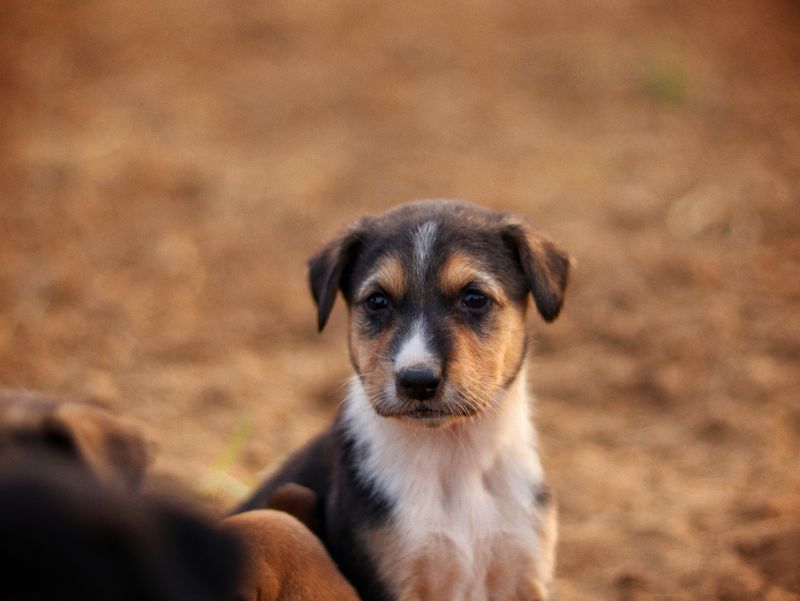
It happened in the three seconds I looked away. My aunt lifted our ten-week-old puppy to hand him to me across the kitchen, he twisted like a fish, and he slipped clean out of her hands. He fell about three feet and landed on a hard tile floor with a sound I still hear when I'm trying to sleep. He yelped once, scrambled up, and stood there trembling while my aunt burst into tears and I stood frozen with my heart in my throat.
That moment is the one nobody prepares you for. In all the weeks of reading about feeding schedules and crate training, not one page had told me what to actually do in the sixty seconds after a puppy hits the ground. So I did a few things right, a few things wrong, and learned the rest the hard way, including from an emergency vet who was very kind about my panic.
The other thing I learned is that a fall is not the same as a diagnosis. Plenty of puppies walk away from a tumble completely fine, and plenty of quiet injuries give almost no sign at first. That uncertainty is exactly why watching matters as much as checking.
Why This Happens
Puppies fall because they are built to squirm. Their bodies are loose, wriggly, and surprisingly strong for their size, and they will twist out of a one-armed hold the instant something interesting catches their eye. It has nothing to do with how careful or loving the person holding them is. It's physics plus a very determined little creature.
The reason the fall matters is trauma. A young puppy has soft, still-developing bones and a skull that offers less protection than an adult dog's. A fall can cause anything from a fat lip to a broken limb, a head injury, or internal bleeding. The scary part is that serious injuries don't always announce themselves immediately, a puppy can seem completely normal for hours and then worsen, which is why the window after a fall is about watching, not just the fall itself.
What makes owners freeze is guilt, and guilt is useless in a crisis. Your puppy doesn't need you to feel terrible. He needs you to check him calmly, decide whether this is a vet call, and then keep watching him for the next day or two. That's it.
What I Tried First — and Why It Didn't Work
My first instinct was to scoop him up and hold him tight to comfort him. That's the mistake nearly everyone makes. Jostling a puppy who might have a spinal or limb injury can turn a small problem into a big one, and hugging him close hid his body from me while I needed to look at it.
Then I did the second-worst thing: I Googled "puppy fell off couch" for the next hour while he sat in my lap. Dr. Internet told me everything from "he'll be fine" to "rush him in now," usually in the same thread. I burned the most useful part of the window, a clear, unhurried physical check, staring at my phone.
And I waited too long to call, because he perked up and wanted to play. That "he seems fine" feeling is exactly the trap. A puppy who's excited and moving can absolutely still be injured underneath, and I would have felt sick if something I dismissed overnight turned out to be internal bleeding.
What Actually Worked
What I should have done, and eventually did do once I slowed down, was a calm head-to-tail check. I steadied him without squeezing, then ran my hands gently along his legs, back, neck, and ribs, feeling for any spot that made him flinch, any swelling, any limb that didn't want to bear weight. I checked his gums, pale or white is a red flag, and looked at his eyes for symmetry and tracking. If he'd screamed when I touched a leg or couldn't put one down, that's an immediate trip in.
Then I called, rather than Googled. Our regular vet's office walked me through what to watch for and told me when to come in, and calling an emergency clinic for guidance costs nothing and can save a life. For a fall from any real height onto a hard surface, a phone call is always the right move, even if the puppy looks fine.
For the next twenty-four to forty-eight hours I kept him quiet and warm, limited jumping and stairs, and checked on him through the night. The delayed warning signs were the ones I watched hardest: repeated vomiting, wobbliness or a head tilt, pupils that stopped matching, refusing to eat, unusual lethargy, or gums that looked pale. Any of those meant the emergency vet, no debate.
I also got prepared instead of staying scared. I put together a real pet first-aid kit, gauze, self-adhesive wrap, sterile pads, tweezers, a digital thermometer, saline, and a card with our vet and the nearest 24-hour clinic. It lives by the door now, and having it stopped the helpless feeling that froze me in that kitchen.
I also wrote our vet's number and the nearest 24-hour clinic on an index card and taped it to the fridge, because in a real emergency you do not want to be open up your phone and scrolling. Muscle memory matters more than memorized facts; the more automatic the steps feel, the less likely you are to freeze when it counts.
Best pick
Calming Chews for Dogs
Gauze, wrap, sterile pads, thermometer, and saline in one organized case. The thing I wish I'd owned before the fall, not after.
Check it out on AmazonAlternative
Calming Diffuser & Thunder Jacket for Dogs
A small grab-and-go version for the car and the diaper-bag style tote, so a kit is always within reach.
Check it out on AmazonWhat I'd Tell Someone Starting Today
Build the calm routine before you ever need it: don't yank a fallen puppy up, don't squeeze, do a gentle hands-on check, and call your vet instead of the internet. Then watch for a full day or two, because the serious signs often lag. Money and inconvenience are nothing next to a puppy's spine.
Our puppy was fine. A bruise, a scare, and an aunt who still apologizes at Thanksgiving. But I got lucky that nothing was broken. The next time a wriggling puppy almost goes airborne at my house, I already know the first ten minutes, and that knowledge is the only thing that made the fear bearable.
Keep him off furniture he can tumble from, and keep the first-aid kit somewhere you can grab it one-handed with a wriggling puppy in the other arm.
This post may contain affiliate links. If you buy through one of them, we earn a small commission at no extra cost to you.