
My Dog Guarded His Bowl Like a Hawk — What Actually Ended the Growling at Mealtime
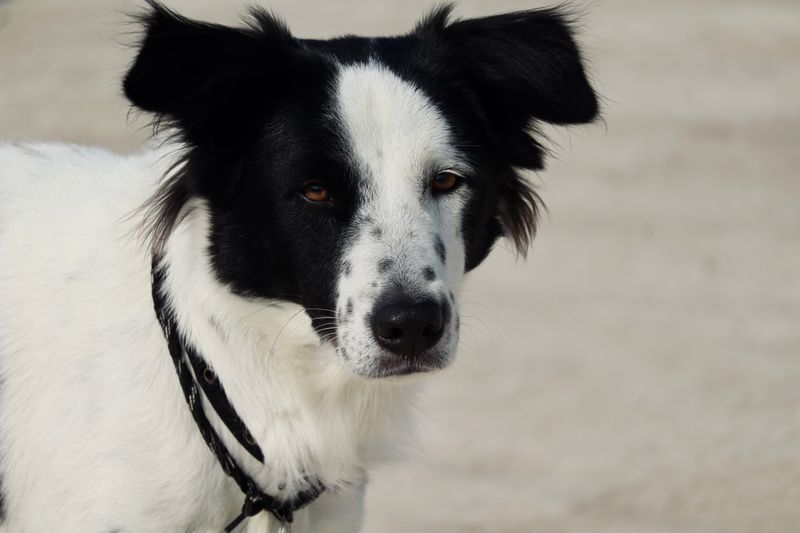
The first time it happened, I thought he was playing. I walked past my two-year-old terrier mix while he was eating and he froze (head down, body stiff, eyes rolled up toward me, and let out a low growl I'd never heard in two years of living with him. I stepped back, surprised, and he went right back to eating like nothing had happened. The next night he did it when my partner walked past. By the end of that week he was growling from ten feet away, before anyone got near the bowl.)
Then it moved. A chewed bone under the coffee table became a no-go zone. Then the couch cushion he liked to sleep on. Then, one evening, my hand when I reached to move the empty bowl out of the way, he snapped, made contact with his teeth against my knuckles, and didn't break skin, but we both knew what had just happened. I sat on the kitchen floor afterward, because a dog who had never shown me a tooth in two years was suddenly someone I was a little afraid to feed.
Why This Happens
Resource guarding is one of the most misunderstood behaviors in dogs, and the misunderstanding gets people bitten. It is not dominance, and it is not a dog trying to take over the house. It's anxiety. A fear that something valuable is about to be taken away, and the growl is the dog's warning system trying to avoid a fight. A dog that guards is a dog that still trusts you enough to communicate first. The dogs that "bite out of nowhere" are usually dogs whose warnings were trained away.
What makes food-bowl guarding so common is that we accidentally teach it. Think about the ordinary things people do: reaching into the bowl to top it up, hovering while the dog eats, taking the bowl away "to show who's in charge," grabbing a dropped piece of food back out of the dog's mouth. From the dog's side, the lesson is simple and consistent, a human near my food means my food gets handled. Some dogs shrug it off. Others decide the food must be defended.
It gets worse in multi-pet homes, where competition is real and the stakes feel higher. Add a second dog eating nearby, or a cat who wanders past, and the guarding can spike fast. My guy's trigger turned out to be movement near the bowl rather than people specifically (the cat walking by got the same growl as my hand did.)
What I Tried First — and Why It Didn't Work
The first thing I did was the thing people have been told to do for decades: I hand-fed him for two weeks to prove I was "the source of all good things." It didn't hurt, but it didn't help either, and it left the guarding untouched. The moment I put a full bowl down again, the growl came back exactly as before. Hand-feeding is fine as bonding, but it's not a treatment for guarding.
Then I made the genuinely dangerous mistake. I read somewhere that you should put your hand in the bowl while the dog eats to "get them used to it." I did it twice. The second time he ate through the warning straight to the snap, and I understood how people end up with a serious bite from a technique that sounds reasonable on a blog. Desensitizing a dog by repeatedly doing the scary thing teaches him the scary thing happens more often, which is the opposite of what you want.
My third attempt was taking the bowl away mid-meal to prove the food was mine, which is textbook outdated advice. It made everything worse, within days he was guarding the bowl before I even set it down, and he started wolfing his food in seconds, which is itself a stress behavior. I had turned a manageable problem into a dangerous one, and finally stopped reading forum folklore and started reading behavior research.
What Actually Worked
The single biggest change was removing the thing he was guarding: the bowl. Instead of feeding from a dish, I started scattering his meals, and the tool that made that practical was the AWOOF Pet Snuffle Mat. You spread the kibble into the fabric folds, the dog works it out with his nose over fifteen or twenty minutes, and, this is the important part, there's no pile to stand over and no bowl to defend. The food is everywhere, so it can't be seized and there's nothing to feel anxious about. Within a week the static, stiff posture at mealtime was gone, replaced by a dog happily snuffling across a mat.
The second piece was a trade-up protocol, which I used carefully and only with the things he still guarded, like bones. The rule is simple and one-directional: I never take, I only add. If he had a bone, I'd walk past and drop a piece of something better, a bit of chicken, a few feet away and keep moving. Over weeks, hands approaching meant good things appearing, never something vanishing. That's the actual mechanism of counter-conditioning, and it works because it changes how the dog feels, not just what he does.
The third thing surprised me: a bird feeder. I mounted a Squirrel Buster Plus, the squirrel-proof one, on the kitchen window, and it turned my high-strung dog into a window-watcher. He'd plant himself on the mat and track every sparrow for twenty minutes at a stretch, and that daily dose of calm, engaged watching lowered his baseline arousal across the whole day. A dog who is mentally occupied and relaxed about the world is a dog who has far less reason to defend a food bowl. It wasn't the fix by itself, but it filled the boredom that had been feeding his anxiety.
Finally, I managed the environment instead of fighting it. In a two-pet house, I fed everyone in separate rooms with the doors shut, no audience, no competition. I also stopped approaching him when he had anything high-value, at least until the trade-up habit was solid. Manage first, train second, and never test a dog to see if he's "over it." Testing is how you find out he isn't.
What I'd Tell Someone Starting Today
First, take the warning seriously and never punish the growl, because scolding a dog for warning you just teaches him to skip the warning next time. Second, stop the hands-in-the-bowl and take-the-bowl-away advice entirely. It 's outdated and it's how bites happen. Feed from something scattered so there's nothing to guard, practice trade-ups so your approach predicts good things, and separate pets at mealtime.
And if your dog has already snapped or bitten, don't try to fix that with a blog post. Call a veterinary behaviorist. Resource guarding that has reached the point of contact is a safety issue for everyone in the house, and a specialist is the right tool, the same as you'd see one for any problem that had crossed into real risk. Six months on, I can walk past my dog while he eats and he doesn't even lift his head, which is all I ever wanted, but I got there by removing the thing he was afraid of losing, not by winning a contest of wills.
This post may contain affiliate links. If you buy through one of them, we earn a small commission at no extra cost to you.