
I Have a Real Cat Phobia — Here's How I Finally Got Strays to Stop Camping on My Porch
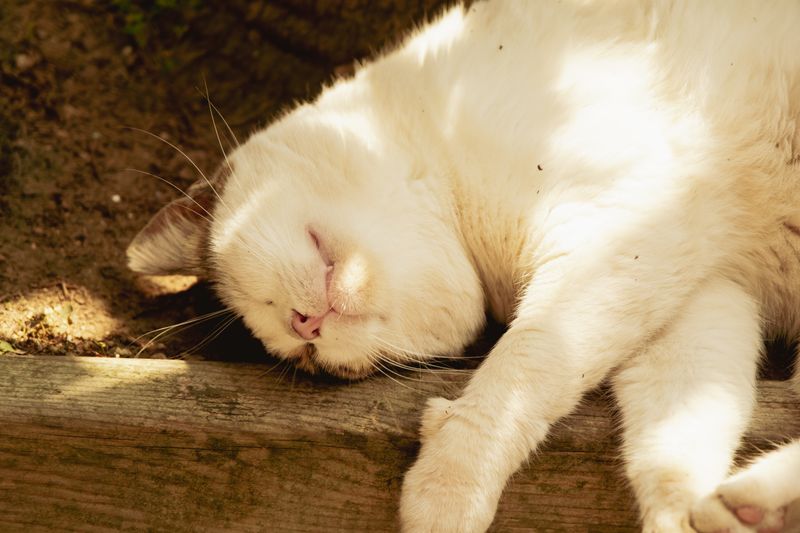
I want to be clear that this isn't a "cats are kind of creepy" thing. I have a genuine, diagnosed fear of cats, the kind that makes my chest tighten and my hands shake when one gets close. For two years, a rotating cast of neighborhood strays decided the concrete slab outside my front door was their preferred hangout, and I started dreading something as basic as leaving my own house to get the mail.
I tried everything the internet suggested in a panic one night, most of it useless, some of it making things worse. What finally worked wasn't a single gadget or a smell. It was understanding why the cats kept choosing that exact spot, and then methodically removing every reason the porch was worth their time.
Why This Happens
Cats are creatures of habit and territory, and they return to the places that reliably pay off. If a porch offers food, water, warmth, shelter, or a calm, sheltered spot to sleep, it becomes a regular stop on a route the cat has already mapped out. A single bowl of kibble left for "the birds," an open trash bag, a sheltered space under a step, or a warm engine or doormat is enough to make your doorway the best real estate on the block.
They also communicate with scent. Cats mark territory with their cheeks, their paws, and their urine, and those markers stick around long after the cat leaves, telling the next cat that this is a known, safe spot. Clean the surface, and you've wiped the message board clean only until the next visitor re-reads it. That's why odortidying matters as much as the thing that first attracted them.
And it's worth saying plainly: my fear was not irrational to manage, it was just mine to manage safely. I couldn't will myself out of a phobia any more than someone could will away a fear of heights. What I could do was change the environment so the exposure I couldn't choose, on my own front step, stopped happening.
What I Tried First — and Why It Didn't Work
My first instinct was to make noise, clapping, yelling, banging the door. It worked beautifully for about four minutes. The cats scattered, then came back the same evening, because the porch was still warm and still familiar and my yelling had become just another part of the scenery.
Then I installed a motion-sensor light, imagining it would scare them off. Instead it turned my doorway into a little stage, and the cats sat in the glow completely unbothered. I scattered citrus peels next, having read that cats hate the smell, and watched them shrivel into brown mush and do absolutely nothing except attract flies. I tried a couple of spray deterrents I'd ordered in a hurry, and while they maybe helped for a day, the smell faded fast and the cats were back before the bottle was half empty.
The one attempt that arguably made it worse was stuffing the gap under my front step with cardboard to remove the little shelter. The cats simply found a different gap a few feet over, and now I had soggy cardboard on top of cats. Every fix was treating the symptom, the cat, instead of the reason the porch kept winning.
What Actually Worked
The real change came when I stopped trying to scare cats and started removing the invitation. First I attacked the attractants. I made sure nothing edible was accessible: sealed trash bins, no outdoor feeding, no spilled birdseed, no compost sitting open. I asked my two neighbors who feed outdoor cats to move their feeding stations further from my property line, both agreed once I explained, and that single conversation cut the traffic more than any gadget.
Then I removed shelter and comfort. I closed off every gap around the step and the porch with solid materials, got rid of an old tarp and a stack of boxes that made a cozy den, and stopped leaving a doormat that radiated warmth. Warmth and cover are what turn a hard slab into a bedroom, and once both were gone, the porch stopped being a good place to sleep.
For the cats that still wandered through, I used consistent, humane deterrents instead of one-off scares. A motion-activated sprinkler worked where the light failed, because a sudden spray is unpleasant and unpredictable, and unpredictable is exactly what cats avoid. I also kept an odor neutralizer on hand to clean the concrete where cats had marked, because leaving that scent behind was like posting a welcome sign for the next one. Once I started cleaning the spot properly instead of just shooing the animal, the returning traffic really dropped.
The last piece was the most personal. Getting the cats to stop coming made my front step navigable again, but the phobia itself is still mine, so I got help for it (slowly exposing myself in controlled, low-stakes ways and, honestly, talking to someone about the fear. Combining a calmer environment with that work meant I could finally stand on my own porch without scanning the street first. The environment fix bought me the breathing room; the personal work made the breathing room livable.)
I also started keeping the tools on hand instead of re-buying them in a panic. A deterrent I trust, a proper odor neutralizer, and a sealed bin aren't exciting supplies, but as a set they turned my porch from a cat magnet back into an ordinary slab of concrete. When the odd cat still cuts through, it doesn't linger, and that's the whole goal.
Best pick
Calming Diffuser for Cats
Breaks down the marking scent that keeps telling new cats this spot is safe, cleaning it properly was the single biggest difference.
Check it out on AmazonAlternative
Calming Chews for Anxious Cats
The unglamorous combo (a motion deterrent and a sealed-bin setup, that removes the reasons cats keep choosing your step.)
Check it out on AmazonWhat I'd Tell Someone Starting Today
Stop chasing the cats and start closing the invitations. Remove every food source, seal off every warm sheltered gap, and clean the marking scent instead of just shooing the animal that left it. Then add one consistent humane deterrent and stick with it. Unpredictability is what actually keeps cats off a spot, not a single loud scare.
And if you're afraid the way I was, please know that fixing your environment isn't a moral failing and neither is asking for real help with the fear itself. My porch is quiet now. I walk out my front door without checking the street, and that ordinary little freedom took both a sealed step and a lot of patience with myself.
This post may contain affiliate links. If you buy through one of them, we earn a small commission at no extra cost to you.