
My First Year of Birding: The One Feeder That Actually Brings Them Back
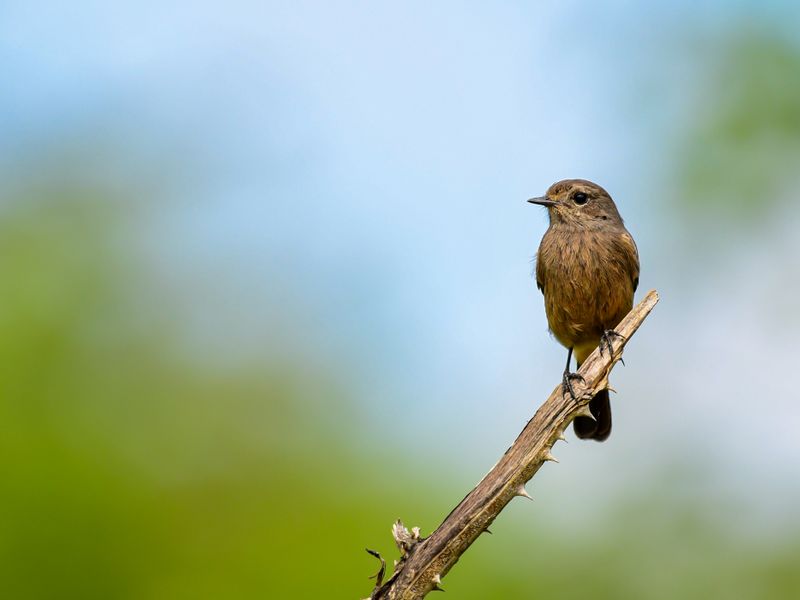
I hung my first bird feeder with completely unearned confidence. I filled it with a cheap bag of mixed seed, mounted it on a pole in the middle of the open lawn, and sat by the window every morning for three weeks waiting for the show to start. I got exactly nothing. Not a sparrow, not a finch, not even a curious starling. Just a feeder full of seed and a lot of silence.
I figured the birds just weren't around, until a neighbor a few houses down mentioned offhand that she couldn't keep up with her feeders. Same street, same birds, wildly different results. It turned out almost everything I'd done, the seed, the spot, the setup, was working against me. My first year of birding was mostly a year of learning what not to do, and the breakthrough came down to one feeder done right.
Why This Happens
Birds are cautious, and they don't find a feeder by chance as often as we assume. A new feeder sits empty of any signal that it's safe, so it can take days or weeks for the local birds to sample it. And if it's in the wrong place, they may never make the trip. Position matters enormously. Birds want cover nearby to retreat to when a hawk or a cat appears, but they also want a clear sightline to watch for danger, and a feeder hung in the open with no shrubs anywhere close feels like a trap, not a buffet.
Window strikes are the other silent killer of a feeder's appeal. A feeder placed too close to glass, or far enough away that a startled bird builds up speed, becomes a hazard instead of a hangout. Placing it either very close to the window or well out into the yard, with cover between, keeps birds safer and more willing to linger.
And the food itself is often the problem. Cheap mixed seed is mostly filler, red milo and other grains that many birds simply pick through and toss on the ground, which is why you'll see a sea of rejected seed under a feeder that never empties. Fresh, mold-free, single-type food that a specific bird actually wants will outdraw a big bag of bargain mix every single time. Keeping the feeder clean matters just as much, because a dirty feeder spreads disease and can empty a yard of birds fast.
What I Tried First — and Why It Didn't Work
My first mistake was placement. I hung the feeder on a bare pole in the middle of the lawn, far from any tree or shrub. It was tidy and easy to see, and it gave the birds nowhere to feel safe, so they never came. I moved it later right up against the window, which solved the openness problem and created a strike hazard I didn't understand yet.
Next I doubled down on the bargain seed, buying a bigger bag of the same mix because clearly the birds needed more of it. I still saw almost nothing, but I did get a crop of weeds sprouting under the feeder from all the tossed filler. The seed wasn't the wrong quantity; it was the wrong stuff for the birds I wanted.
Then I let the feeder sit. Rain got in, the seed clumped, and by the time I noticed, it smelled sour. That's a feeder that can actively harm the birds that visit it, and it taught me the last hard lesson: an unattended feeder is worse than no feeder at all. Between the location, the mix, and the neglect, I had stacked three reasons for the silence.
What Actually Worked
The single change that turned my yard around was switching to black oil sunflower seed in a good, weather-protected feeder. It's the closest thing to a universal favorite, cardinals, finches, chickadees, and titmice all eat it, the shell keeps the seed from spoiling quickly, and there's no cheap filler for the birds to reject. The first week after the swap, I had visitors. By the second, a small crowd.
I fixed the location next. I set the feeder where it had natural cover within a few steps, but with enough open sightline that birds could watch their surroundings, and I shifted it to a spot that kept it out of the worst strike zone near my big window. I added a simple water source nearby, a shallow dish with a stone in it for footing, because birds need water year-round and it pulls in species that don't even come for the seed.
Then I made cleaning a routine instead of an afterthought. A quick scrub with hot water and a thorough dry every couple of weeks, and immediately any time the seed looked damp or clumped. A proper feeder with a roof and drainage kept the seed dry between cleanings, which cut the scrubbing way down and kept mold out of the picture. For a while I ran two feeders with different seed so I could see what my specific birds preferred, which is how I found that the sunflower setup outperformed everything else in my yard.
I also learned to be patient and consistent. Birds build a habit around a reliable food source, so feeding through the seasons. Not just in the pretty spring months, is what earns you regulars. I kept a running list of seed, seed cakes, and cleaning supplies so I never let the feeder run empty during a cold snap, because that's exactly when the birds need it most and when a lapse costs you the flock you spent months building. Sunflower seed, the right spot, clean water, and regularity: that's the whole formula, and it beat every gadget I tried along the way.
Best pick
Bird Feeder
A roofed, drainage-friendly feeder that keeps black oil sunflower seed dry and mold-free (the setup that finally brought birds to my yard.)
Check it out on AmazonAlternative
Bird Seed & Feeder Station
A covered feeder plus a shallow water dish, the two basics every new birder needs before investing in anything fancier.
Check it out on AmazonWhat I'd Tell Someone Starting Today
Skip the bargain seed and buy one fresh, single-type food birds in your area actually want, for most of the country, black oil sunflower is the safest bet. Put the feeder near cover but out of the worst window-strike zone, add a shallow water source, and clean it on a schedule. Then leave it alone and be patient; the silence in your first weeks isn't failure, it's a shy neighborhood deciding whether to trust you.
A year in, my yard is loud from sunrise on, and the feeder I almost gave up on is the one that did all the work. The birds didn't need a fancier setup. They needed seed worth flying to, a spot that felt safe, and a human who stopped forgetting to refill it.
This post may contain affiliate links. If you buy through one of them, we earn a small commission at no extra cost to you.