
The Cat Litter I Switched To Because I Was Tired of the Smell
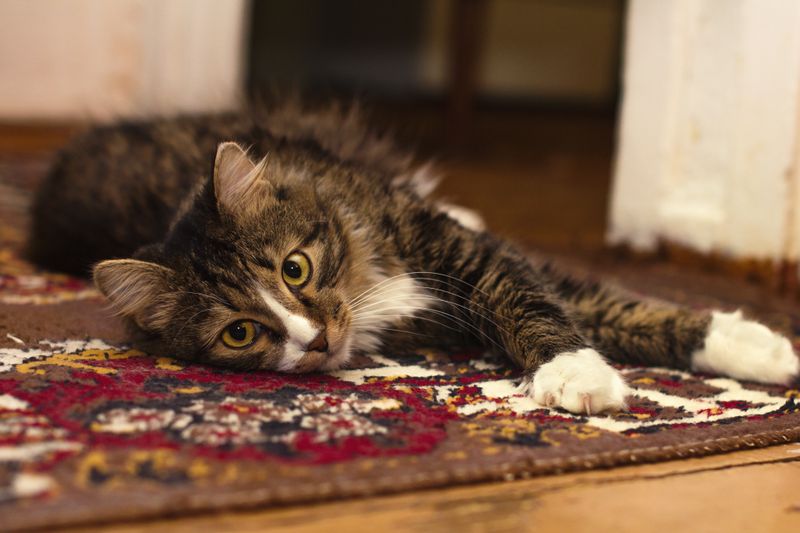
My apartment is small, a one-bedroom with the litter box tucked into a corner of the bathroom, which is about eight feet from where I brush my teeth and roughly fifteen feet from my couch. For the first year I told myself I had gotten used to it. Then my sister walked in, wrinkled her nose in the doorway, and asked, with real concern, whether something had died in the walls. That was the day I stopped pretending the smell was fine. It was not fine. I had just stopped smelling my own house.
The frustrating part was that I thought I was already doing everything right. I scooped every day. I used a litter the store clerk swore by. I even had one of those plug-in air fresheners going full tilt. None of it worked, because I was treating symptoms instead of the source, and I was completely missing one of the biggest culprits in the whole equation, the trail of litter my cat was tracking all over the apartment every time she climbed out of the box.
Why This Happens
Cat urine is built to be detectable. It contains compounds that keep breaking down into ammonia, which is exactly the sharp, eye-stinging smell you notice at the door. No litter eliminates that chemistry, but the right litter manages it far better than the wrong one, mostly through how well it clumps and traps moisture in a tight, scoopable package instead of letting it soak and sit.
Quantity and frequency matter more than most people admit. A single cat needs a box scooped at least once a day, ideally twice, and a full litter change on a regular schedule, because litter that has been in the box a while holds onto odor even after you remove the solids. Little crumbs sitting in the box release smell the whole time.
And then there is the tracking. This is the one that took me embarrassingly long to grasp. Litter does not stay in the box. It clings to paws and gets carried across the floor, into the carpet, into the corners of the bathroom. Every one of those stray granules is a tiny odor source sitting in your living space. Even if the box itself smelled perfect, I was broadcasting litter dust across the whole apartment, and that was a big part of the smell my sister caught at the door.
What I Tried First — and Why It Didn't Work
First I just scooped harder, twice a day instead of once. It helped, and it is the cheapest upgrade you can make, but it did not solve it. I was managing the box while the tracked crumbs did their work all over the apartment.
Then I tried a heavily scented litter, reasoning that more perfume would cover more smell. Big mistake. The fragrance mixed with the ammonia into something worse, a chemical-floral haze that announced the litter box even more loudly. My cat, who has opinions, started hovering outside the box and then going beside it. Scented litter is often the reason a cat refuses the box, and I had learned that lesson the hard way.
The air freshener was my other dead end. It did nothing but layer a fake-clean smell on top of a real problem, and my eyes watered. Masking is not removing. I finally accepted that if I could smell the freshener, I could smell what was underneath it too.
What Actually Worked
Three changes did it, and I would do every one of them again. First, I switched to a low-dust, fast-clumping litter with strong odor control and no added perfume. Hard clumps mean the mess comes out cleanly in one scoop instead of crumbling and leaving residue, and unscented means the box smells neutral to both me and the cat, who is now back to using it happily.
Second, I fixed the tracking, which is where the litter mats earned their keep. The compact waterproof mat went right at the box entrance, and the double-layer honeycomb mat lives just past it as a second line of defense. The honeycomb pattern traps the granules down into the layers instead of letting them scatter, and the compact mat handles the immediate exit zone. Before, I was sweeping up a small pile of litter every day and vacuuming tracked dust out of everything. Now the mats catch almost all of it, which means the odor sources stop migrating into the rest of the apartment. That single change made the biggest difference to what the place actually smelled like from the couch.
Third, I set a real schedule: scoop twice a day, full litter change every two weeks, and a box wash with mild soap at every change. Boring, cheap, and it works.
What I'd Tell Someone Starting Today
Fix the tracking first, it is the cheapest win and the one people skip. A good mat under the box will do more for the smell in the room where you actually live than any fancy litter. Then go unscented, low-dust, and fast-clumping, and give the box a real cleaning schedule instead of a once-a-week apology.
One more thing: if your cat suddenly starts going outside the box or the smell gets sharply worse, that is a vet visit, not a detergent problem. Urinary issues can smell much stronger and are common and painful. Fix the litter routine for the everyday smell, but let a vet rule out the medical causes. My sister came over last month and did not know there was a cat in the apartment until she saw one. I will take that.
This post may contain affiliate links. If you buy through one of them, we earn a small commission at no extra cost to you.