
Should I Keep or Rehome My Two Reptiles? The Enclosure Question That Made the Decision
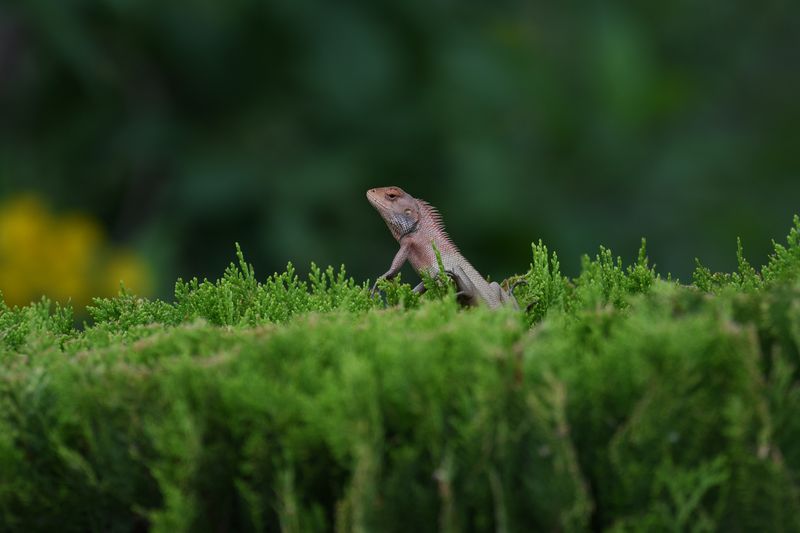
I never planned to end up with two bearded dragons. A friend was moving overseas, I had the space and the naive sense that reptiles were "low-maintenance," and within a month I was the owner of two animals I genuinely loved and was not remotely set up to house correctly. For weeks I did the thing everyone does. I told myself it was fine, looked at them, and felt the guilt settle in like a fog.
The keep-or-rehome question is one a lot of reptile owners eventually face, and almost everyone frames it as a moral test. It isn't. It's a housing question. The day I stopped treating it as "do I love them enough" and started asking "can I actually provide two proper enclosures for the next decade," the decision made itself. Getting there, though, meant admitting I'd been getting the basics wrong.
Why This Happens
Reptiles are the pet you can absolutely own with the wrong setup for months and not notice, because they don't bark when something's wrong, they just quietly decline. A bearded dragon needs a genuinely large enclosure, roughly four feet by two feet for one adult, with a temperature gradient from a hot basking zone down to a cooler side, plus proper UVB lighting so it can process calcium. Skip the UVB or the gradient, and you get a slow slide toward metabolic bone disease and appetite loss that can look like nothing at first.
The other reality is lifespan and cost. Many popular pet reptiles live a decade or more, need heat bulbs and UVB tubes replaced on a schedule, eat live insects that cost real money, and may need an exotic vet who charges accordingly. Two animals doesn't mean one setup and one bill, it means double of almost everything, because most common pet reptiles should not be cohabited. That's the part I didn't understand for the first month.
And rehoming carries a stigma that keeps people stuck in setups they can't sustain. There's a real difference between dumping an animal and responsibly finding it a qualified home, and the second one can be the most caring thing an overwhelmed owner does. What matters is honesty about what you can maintain, not guilt about what you wish you could.
What I Tried First — and Why It Didn't Work
My first move was to house both dragons together, sharing a big tank, because it saved space and money and they'd "keep each other company." That's the single worst thing I could have done. One dragon became dominant within days, hogged the basking spot, and started physically dominating the other, a head bob here, a nip there. The subordinate one stopped eating and pressed itself into a corner. Reptiles are not social; cohabiting them isn't companionship, it's a slow multi-month fight I'd started without knowing.
Next I upgraded to one larger shared tank, thinking more space would fix the tension. It didn't. Bigger territory just means more territory to fight over, and the same pattern reasserted itself within a week. The problem was never square footage; it was putting two animals that don't belong together in one box.
My third attempt was cutting corners on equipment to afford the second enclosure I clearly needed. I ran a single heat lamp and skipped the UVB tube, telling myself it was "temporary." It wasn't temporary for long, because the whole point of my worry was that I couldn't sustain the correct setup for two animals, and skipping the UVB just meant I was already failing the animals I was trying to keep.
What Actually Worked
The first honest decision was separation. I stopped sharing cages entirely and gave each animal its own space, even if that space was initially smaller than ideal. Almost overnight the subdued dragon started eating again and basking normally, which told me everything about how bad the cohabiting had been. Some damage you can't see until you remove the cause.
Then I built one genuinely correct enclosure instead of two half-built ones. That meant a large footprint with a real heat gradient, a dedicated basking platform under a heat bulb, a proper UVB tube mounted at the right distance, a solid, safe substrate, and hides on both the warm and cool ends so the animal could thermoregulate the way its body requires. That's the setup that lets a dragon actually thrive rather than merely survive. Reptile supply basics, heat, UVB, gradient, hides, and clean water, are the non-negotiables, and once I had them right for one animal, I could finally see how wrong the shared setup had been.
With one proper enclosure built, I faced the real question: could I afford and maintain a second identical one, with its own bills, bulbs, and insect supply, for the next ten to fifteen years? Honestly, no. So I rehomed the second dragon properly, not dumped, but placed with a keeper who already ran a correct setup and who showed me her enclosure, lights, and feeding routine before I handed him over. I asked questions, I verified, and I did it through a reptile community rather than a parking-lot meetup. That felt like the responsible version of a choice I'd been avoiding for weeks.
The final piece was turning all of it into a checklist so I'd never drift into a bad setup again: enclosure size matches adult animal, correct UVB and heat with a real gradient, budget for insects and vet care, and a hard rule against cohabiting species that shouldn't share space. Running that checklist before every new animal has kept me honest, and it's the reason I won't take on more than I can actually house.
Best pick
Reptile UVB Lighting & Heat Kit
Heat, UVB, gradient, and hides in one setup, the non-negotiables that let a single reptile thrive instead of survive.
Check it out on AmazonAlternative
Reptile Terrarium Thermometer & Hygrometer
A large footprint with basking platform and lighting built for one adult dragon. The setup I wish I'd built before taking on two.
Check it out on AmazonWhat I'd Tell Someone Starting Today
Ask the hard question early: can you provide a correct, separate enclosure for this animal for its full lifespan, including the recurring cost of lights, heat, food, and vet care? If the answer is no, rehoming responsibly is not a betrayal, it's the kind thing. And never cohabit reptiles that shouldn't share space, however big the tank.
I still miss the dragon I placed, and I don't regret placing him. He's in a proper setup with someone who can give him what I couldn't, and the one I kept is finally thriving instead of surviving. The decision that felt like failure was actually the first genuinely responsible choice I made for either of them.
This post may contain affiliate links. If you buy through one of them, we earn a small commission at no extra cost to you.