
What Do You Put in a 4x2 Enclosure That Isn't a Snake? Here's What I Chose
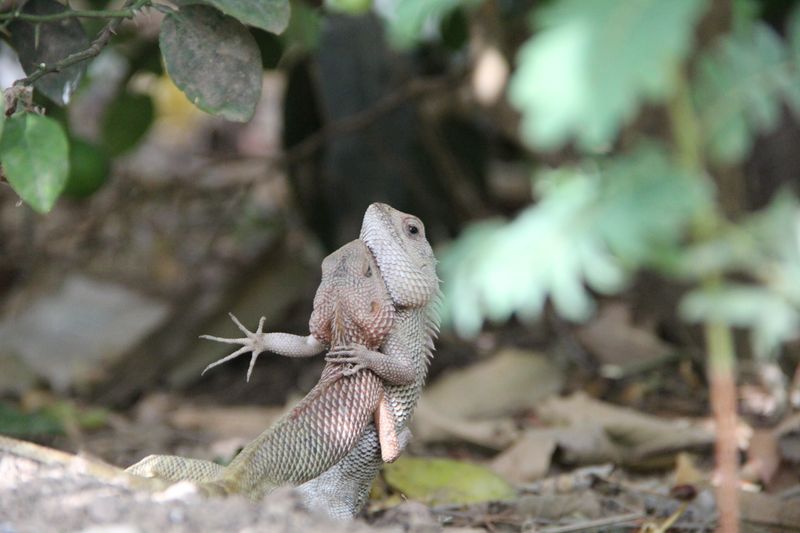
I bought a four-by-two-foot enclosure at a reptile show on pure impulse, mostly because it was cheap and empty and I loved the proportions. I made myself one promise: it would not become a snake tank. Nothing against snakes, I just wanted something I could watch in daylight, something with legs and personality, and I had no idea how many options that footprint actually opened up.
Here's what I didn't know: a four-by-two is one of the most versatile sizes in the hobby, and the question "what goes in it" isn't really about the box. It's about matching a species' heat, light, humidity, and activity level to the space you've got. Get that match right and the enclosure becomes the easy part. Get it wrong and you'll fight it every day. Here's how I worked it out.
Why This Happens
A four-by-two footprint is generous for most small-to-medium terrestrial reptiles and awkward for a few. The key variables are how much thermal gradient the animal needs, whether it's diurnal (active in daylight, so it needs strong UVB and a bright basking zone) or nocturnal (active at night, so it needs belly heat and dimmer conditions), and how much vertical space matters. A wide, low enclosure like this is perfect for a terrestrial basker and cramped for an arboreal climber.
The mistake new keepers make is choosing the animal by looks and then bending the setup to fit, which almost always means skimping on lighting or heat. The setup comes first. If you can commit to a proper heat gradient, a real UVB tube sized to a four-foot enclosure, and a safe substrate, then a whole class of diurnal lizards opens up. If you can't commit to that, the right choice is a species with simpler needs, not a compromise rig.
There's also the lifespan-and-effort filter. Some popular options live fifteen-plus years, need daily live feeding, or need a brumation period. Picking the species isn't just "what fits in the box", it's "what can I still be maintaining correctly in five or ten years." That question sorted my shortlist faster than anything else.
What I Tried First — and Why It Didn't Work
My first idea was a leopard gecko, because everyone says they're beginner-friendly. They are, but not really for this enclosure. Leopard geckos need a warm belly-heat spot and a modest tank with a reliable temperature gradient over a small area, and they're often happier in something lower and smaller. Dropping one into a big open four-by-two meant a tiny animal rattling around a huge gradient he'd have to travel to use. It technically fit; it didn't suit him.
Next I considered a tropical, humidity-loving species because I liked the dramatic planted look. Wrong direction entirely. This enclosure was open and ventilated, and holding tropical humidity in it would have meant fighting a losing battle with mistings and a glass top that didn't fit. The species and the box were simply incompatible, and I'd nearly bought the animal before realizing it.
My third near-mistake was thinking I could keep two animals together in the space to "use it better." Everything I was researching, and what every experienced keeper told me, pointed the other way: the common diurnal lizards are largely solitary, and cohabiting them in one enclosure invites stress and injury. More space isn't an invitation to share it.
What Actually Worked
I landed on a bearded dragon, and it turned out to be the species the enclosure was practically built for. A four-by-two is the accepted minimum footprint for one adult, the animal is diurnal and genuinely interactive, and the setup needs are clear and achievable: a strong basking spot at one end, a cooler retreat at the other, a proper UVB tube running the length so he can't escape the light anywhere in the tank, and a solid, easy-to-clean substrate.
Building it out was the fun part once I had the right species. I used a slate-style tile surface for easy cleanup and good basking heat retention, a raised basking platform directly under the heat bulb so he could pancake out and warm his whole body, and hides on both the warm and cool ends so he could choose his temperature instead of being stuck at one. A shallow water dish and a couple of rough decor pieces for climbing and rubbing off shed rounded it out.
If a bearded dragon had been out of reach for some reason, my backups were all well-suited to the same footprint: a blue-tongue skink (solid, handleable, and happy in a large terrestrial enclosure), a uromastyx (desert setup, big basking zone, striking to watch), or, with a different substrate and heating plan, a tortoise for someone prepared for a very long commitment. All of them are terrestrial, all of them can use a warm-to-cool gradient across four feet, and none of them need the humidity a tropical species would.
The piece that tied it together was getting the gear organized so I wasn't improvising. Two thermometers, a proper UVB tube with a calendar reminder to replace it, a timer for the day/night cycle, and a running supply list for substrate and insects. Once the basics were fixed, the enclosure stopped being a puzzle and started being a little habitat I could actually read, when he's dark and basking, when he's roaming, when he's done for the day. That readability is what tells you the setup is right.
Best pick
Reptile UVB Lighting & Heat Kit
Basking bulb, UVB tube, timer, and thermometers sized for a four-foot terrestrial enclosure, the setup a bearded dragon actually needs.
Check it out on AmazonAlternative
Reptile Terrarium Thermometer & Hygrometer
Slate-style basking surface, hides, decor, and a shallow dish. The furnishings that make a big open box into a real habitat.
Check it out on AmazonWhat I'd Tell Someone Starting Today
Pick the species by the setup you can sustain, not by the photo you like. A four-by-two favors a diurnal, terrestrial basker, a bearded dragon first among them, because it lets you run a proper heat gradient and put a full-length UVB tube over the whole animal. Whatever you choose, buy the lighting and heat first and keep a replacement schedule, because that's the part people quietly skip.
And resist the urge to share the space. One well-built habitat with one happy animal in it beats two stressed ones in a box that was never meant for a crowd. Mine has a single bearded dragon, a basking rock, and a clean slate floor, and it's the most interesting thing in the room.
This post may contain affiliate links. If you buy through one of them, we earn a small commission at no extra cost to you.