
I Found a Young Hawk on the Ground (Here's What I Did (And What Not to Do))
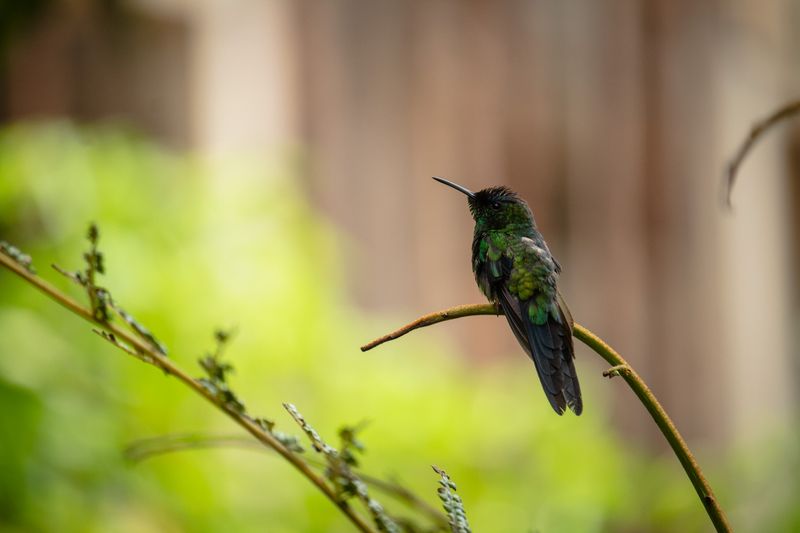
I was walking my dog along the edge of a field when he locked onto something in the grass and refused to move. When I pulled him back and looked, there was a young hawk, a juvenile, brown and speckled, hunkered down on the ground, watching me with one bright eye. It didn't fly. It didn't run. It just sat there, and every instinct I had told me to scoop it up and save it.
I had my phone out in thirty seconds, searching "found a baby hawk what to do," and the advice I found was contradictory and mostly about the wrong scenario. That afternoon turned into a crash course in wildlife handling, what a downed raptor actually needs, what it absolutely does not need, and why the kindest thing I could do was almost nothing at all, at least at first.
Why This Happens
Here's the thing most people don't know about young birds of prey: a lot of them are supposed to be on the ground. Many raptors fledge before they can fly well, which means a healthy juvenile spends days or weeks hopping around on the ground or in low branches while its parents feed it and it builds up flight muscles. A grounded young hawk that's alert, uninjured, and has adults nearby is often exactly where it should be. Picking it up because it "can't fly" can actually be the thing that orphans it.
The other half is injury. A raptor on the ground can also be genuinely hurt, hit by a car, tangled in netting, fallen from a nest too young, or sick. The signs that matter are different from the signs of a normal fledgling: a wing held at an odd angle, dragging a leg, blood, obvious wounds, a drooping head, or no adult bird anywhere in sight over a long period. That's when intervention is needed.
And there's a legal reality most people don't realize until it's too late: native birds of prey are protected in the United States, and keeping one is not an option, no matter how much you bond with it. Raptors also aren't the kind of animal a person can rehabilitate at home. They need wild prey, specialized care, and a licensed rehabilitator. Understanding that up front changes the whole plan from "rescue it and keep it" to "stabilize it and connect it with someone qualified."
What I Tried First — and Why It Didn't Work
My first instinct was to bring it home. I actually started reaching for it before I stopped myself, because in my head I'd already adopted it. This is the biggest mistake people make, and it's a mistake on two fronts: it's illegal to keep a protected raptor, and. More importantly for the bird (a stressed wild animal handled and caged by an amateur is far worse off than one left in place or handed to a professional. I put my hands back in my pockets.)
My second wrong idea was food. I was ready to run home for a can of tuna or a chunk of bread, because a hungry-looking animal must need feeding, right? Wrong. Never feed a downed raptor. The wrong food can do real harm, feeding a shocky or injured bird can be dangerous, and if the bird does need rehab, the professionals need to assess it on an empty stomach. Water into a stressed bird's mouth is a choking and aspiration risk too. Food and water were the opposite of help.
My third near-miss was my own dog. He was the reason I'd found the hawk in the first place, and standing there with him on the leash right next to a grounded bird was the most immediate threat in the whole scene. A dog is exactly the predator a downed raptor can't escape. I got some distance immediately, which in hindsight was the single most useful thing I did in those first minutes.
What Actually Worked
What I actually did, once I slowed down, was assess before acting. I kept my distance and just watched: Was it alert? Were the wings even? Could it move? Was there any blood or an obviously broken wing or leg? Was an adult hawk calling or circling nearby? My bird was bright-eyed, had no visible injuries, and after a few minutes I spotted an adult watching from a tree line, classic healthy fledgling scenario. The right move was to keep my dog back, leave it alone, and let the parents do their job.
When I called a local wildlife rehabilitator to confirm, they walked me through exactly that logic and told me the deadline for when to intervene: if the bird was still on the ground, unable to move well, with no adult around after a couple of hours, or if it was clearly injured, then and only then do you step in. They were the authority I should have called first instead of scrolling forum threads.
If that had been the injured case, here's the process they taught me. Wear heavy leather gloves or use a thick towel, a raptor's talons can do serious damage even on a small bird. Get a sturdy cardboard box, poke air holes, line it with something soft, and move the bird into it with minimal handling, speaking softly and keeping the wings folded against the body. Then keep it dark, warm, and quiet, no peeking, no noise, no kids, no other animals, and get it to the rehabilitator or animal control as fast as possible. No food, no water, no attempts to inspect the wing or pet it. Stabilize, enclose, transport, hand off.
The other thing that mattered was having the right gear on hand for the "what if." After that day I started keeping leather handling gloves and a proper carrier in the car, so that if I ever did find a genuinely injured bird I wouldn't be improvising with a beach towel. A pair of thick gloves and a ventilated carrier turn a panicked situation into a manageable one, and they cost less than a single vet visit.
Best pick
Calming Aid for Pets
Thick enough to protect your hands from talons and beaks if you ever have to move an injured bird into a box for transport.
Check it out on AmazonAlternative
Pet Calming Chews
A sturdy, well-ventilated carrier that doubles as a safe, dark transport box for a stressed wild animal headed to a rehabilitator.
Check it out on AmazonWhat I'd Tell Someone Starting Today
First, call a licensed wildlife rehabilitator before you do anything. They 'll tell you in two minutes whether the animal needs help or should be left alone. Don't feed or water a downed raptor, don't try to keep it, and don't let your dog anywhere near it. Handle it as little as possible, use gloves and a box, and keep it dark and quiet until you can hand it off.
My hawk was fine. By the next afternoon it had shuffled into the brush, and a week later I saw a juvenile circling the same field. The most caring thing I did was the thing that felt like doing nothing. Sometimes rescue means knowing what not to rescue.
This post may contain affiliate links. If you buy through one of them, we earn a small commission at no extra cost to you.