
The Bearded Dragon Market Is Moving Fast. Here's the Enclosure That Beats the Trend Cycle
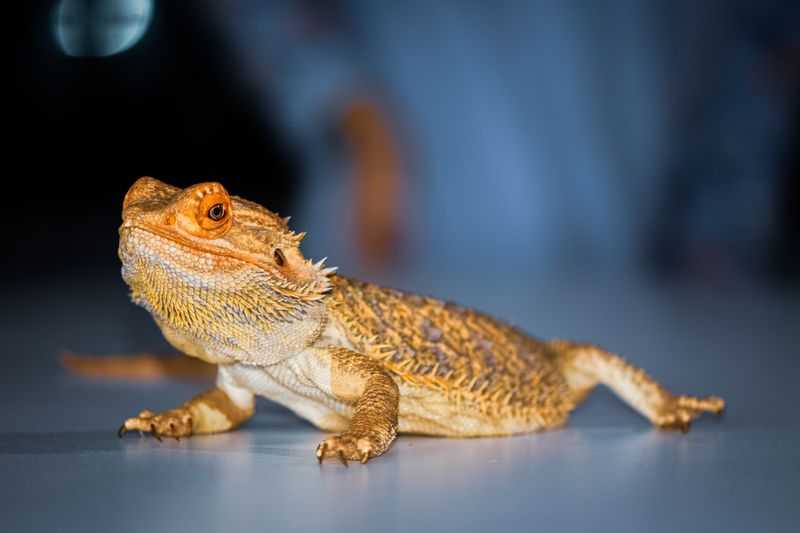
I walked into my first big reptile expo last spring thinking I'd come home with a specific, sensible bearded dragon. I came home with a headache, a lighter wallet, and no dragon. The place was a frenzy. Every vendor had a new "hot" morph, a "rare" color line, a starter kit priced like a bargain and built like a toy. The market for bearded dragons is genuinely booming right now, and it's easy to walk in wanting the flashy animal and walk out with a setup that can't actually support it.
What nobody at that expo said loudly enough is that the animal is the cheap, replaceable part of the equation and the enclosure is the foundation. Trends, morphs, and must-have listings move every season. The fundamentals, the right size, the right light, the right heat, haven't changed in years. Once I understood that, I stopped chasing the market and it stopped costing me money.
Why This Happens
Bearded dragon popularity has exploded, and fast-moving markets reward excitement over patience. Breeders push new colors and "lines" you can't find elsewhere, which creates urgency to buy the animal. The thing that's photographed online, before some other buyer does. The enclosure is unglamorous and slow, so it's the part that gets deferred, downsized, or bought cheap. That's backwards. The animal will live for a decade or more, and whether it thrives depends almost entirely on housing, not on how rare its color is.
The fundamentals are well established: an adult bearded dragon wants a big footprint, roughly four feet by two, with a genuine temperature gradient from a hot basking zone down to a cooler side, and a full-length UVB tube so it can't sit in the dark. Trends don't change that. A gorgeous morph with weak UVB and a cramped tank will still develop the same health problems as a plain brown one, and no amount of trend appeal prevents it.
There's also a feeding reality the market glosses over. Bearded dragons eat live insects, and live insects don't stay where you put them. A rushed, cheap setup means loose crickets hiding in the enclosure and around the room, uneaten feeders stressing the animal at night, and a feeding routine that's chaotic instead of controlled. The enclosure doesn't just need to be big, it needs to make feeding manageable, because a decade of chaos at mealtime wears down even the most devoted keeper.
What I Tried First — and Why It Didn't Work
My first move was to buy the animal first, a flashy juvenile I couldn't walk away from (and grab a cheap "starter kit" enclosure to hold him "for now." The kit's tank was too short for a proper basking gradient, the included UVB was weak and mounted too close to the floor, and "for now" stretched into months. I was housing a potentially long-lived animal in temporary junk, and the low UVB showed in his sluggish appetite within a few weeks.)
Then I chased deals. I bought a deeper enclosure on sale that was shorter than an adult needs, thinking I'd upgrade later. Later never came on schedule, and the tank became a compromise I resented. Chasing the sale cost me more than buying the right size once would have.
My third mistake was feeding on the fly. I dropped live crickets in with a shallow dish that did nothing to contain them, so they scattered into every corner of the enclosure and into the room. Uneaten feeders hid in the décor, kept him awake and stressed, and made it impossible to track what he actually ate. It was a small thing that turned into a daily headache, all because I'd treated the feeding gear as an afterthought.
What Actually Worked
I flipped the order: enclosure first, animal second. I built the right home, a proper four-by-two footprint with a raised basking platform under a real heat bulb, a full-length UVB tube on a replacement schedule, and a slate-style floor that holds warmth and wipes clean. I set hides at both the warm and cool ends so the animal could actually choose its temperature. Only after the setup was running and stable did I add a dragon to it, and the difference in how quickly he settled in was obvious.
For feeding, I stopped scattering food and started containing it. The BETTERDAY Reptile Food Dish, an anti-escape feeder bowl, turned mealtime from a cricket roundup into a clean, controlled event. Its design keeps live feeders from simply climbing out and hiding the moment you drop them in, which means the dragon actually gets to hunt them at the dish, I can see what he eats, and there are no rogue crickets chirping under the furniture at midnight. It's a small, unglamorous piece of gear, and it solved the single most annoying daily problem in keeping a bearded dragon.
The other thing I added was a planted moisture feature for the enclosure's calm corner: the Create Your Serene Moss Sanctuary Moss Bowl Terrarium. Bearded dragons are a semi-arid species, so it's not about making the whole tank humid, it's a small, contained moss bowl that adds a touch of natural greenery, gives me a spot to keep a little clean moisture, and serves as a tidy decorative anchor for what would otherwise be a very brown, very sparse habitat. It doesn't fight the dry setup; it just softens it, and my dragon uses the cooler corner around it for his afternoon lounging.
The real lesson underneath all of it was a pricing mindset, not a product. When I stopped reacting to every new morph and sale and treated the enclosure as the fixed foundation that trends come and go on top of, my spending stabilized and my animal thrived. A correct setup runs for years; the market's hot color is obsolete by the next expo. I keep a running list of the consumables the setup burns through, substrate, bulbs, feeders, cleaner, so the foundation never quietly degrades while I'm busy looking at the pretty listings.
Best pick
Slow-Feed Pet Bowl
Keeps live feeders in the dish where your dragon can hunt them. No more rogue crickets or guessing what he ate. A small fix for the biggest daily headache.
Check it out on AmazonAlternative
Elevated Pet Bowl
A contained moss feature that adds natural greenery and a hint of clean moisture to the enclosure's calm, cooler corner.
Check it out on AmazonWhat I'd Tell Someone Starting Today
Buy the enclosure before the animal, and buy it right the first time, the correct footprint, real UVB, and a proper heat gradient. Then contain your feeding with a bowl built to hold live feeders instead of scattering them. The market will always be there with a new color next season; the fundamentals are what your dragon lives in every day.
My dragon has a plain-ish coat and a perfectly built home, and he's the picture of a healthy, unhurried lizard. The flashy juvenile I almost bought instead would have spent his life in the same compromised starter tank I nearly settled for. Chase the setup, not the trend, that's the only part of this hobby that doesn't move.
This post may contain affiliate links. If you buy through one of them, we earn a small commission at no extra cost to you.