
What Would You Actually Keep in a Small Enclosure? Building a Nano Ecosystem
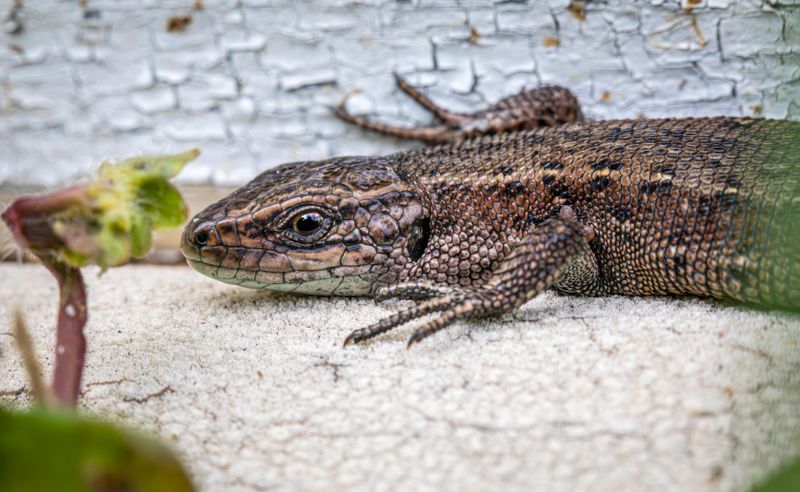
I had a small, nearly empty enclosure sitting on my shelf, maybe a foot and a half of glass, the kind of thing you buy for one plant and then stare at wondering what else belongs in it. My first instinct was to imagine a tiny zoo: a little lizard here, a couple of frogs there. My second instinct, after a single afternoon of research, was that a small enclosure is not a small version of a big one. It's its own thing, with its own rules.
That's the trap of the so-called nano ecosystem. People scale down the box and assume everything else scales down with it. In reality, small volumes are less stable, and the animals that thrive in them are very specific. Once I stopped trying to cram a regular habitat into a tiny space and started thinking about what a small enclosure is actually good at, the project got a lot more interesting. And a lot less expensive.
Why This Happens
Small enclosures are harder to keep stable than large ones, and that's the first thing beginners don't expect. Temperature and humidity swing faster in a small volume because there's less air and less mass to buffer changes. A small tank heats up quicker in the sun and dries out faster in a dry room. That makes a small setup less forgiving, not more, and it's why the creatures kept successfully in nano setups tend to be adaptable ones that tolerate a bit of fluctuation.
Scale is the second rule. A small enclosure wants a small inhabitant, something that uses the space generously instead of bumping the walls. Micro geckos, certain small invertebrates, and a well-built planted setup with a tiny clean-up crew all fit that brief. A medium-sized basking reptile that would be comfortable in a four-foot tank is simply cramped in a foot and a half, and no amount of décor fixes a size mismatch.
And the third piece is that a nano ecosystem is really a garden first and an animal home second. The plants, the soil, the springtails and isopods that clean up waste, and the microclimate they create are the foundation. Add the wrong animal, too many animals, or too much water, and the whole little system tips over. The stability you want comes from the living substrate and the plant layer, not from buying more creatures.
What I Tried First — and Why It Didn't Work
My first build was a size mismatch I should have seen coming: I put a medium-bodied lizard in the small tank because I had it on hand. It felt cramped within a day, spent all its time pressed against the walls, and showed the classic stress signs, poor appetite, hiding, no basking confidence. The enclosure wasn't broken; it was just wrong for that animal, and a smaller-than-appropriate home is a welfare problem no décor fixes.
Next I tried to make it tropical, cramming in moisture-loving plants and misting heavily because the lush look was what I wanted. Without a lid to hold humidity, and with a small volume that dried fast, I was fighting the design, the plants crisped, the moss died back, and the constant wetness tipped toward the swamp end of the spectrum. Small setups punish overcorrection in both directions.
Then I overstocked it. I added too many plants too fast, on top of an unstable base, and they crowded each other and rotted at the roots because I hadn't built a proper drainage layer. The little ecosystem I was trying to fast-forward collapsed because I skipped the part where you let the foundation establish before you pile on.
What Actually Worked
The setup that finally thrived went back to basics and let them settle. I built a proper layered base first, drainage material under the soil so water could move away from the roots, and planted sparingly with species suited to a small, moderately humid environment instead of cramming in a jungle. Then I let the whole thing run for a couple of weeks before adding any animals, which gave the plants time to root and the microclimate to stabilize. Patience, it turns out, is the least glamorous and most useful ingredient in a nano build.
When the base was stable, I added a clean-up crew instead of a showpiece animal. Springtails and small isopods are the quiet heroes of a nano ecosystem, they live in the substrate, eat mold and waste, and keep the little world healthy without needing daily care. Watching a small enclosure where the "inhabitants" are a working clean-up crew plus a couple of tiny, suited species is genuinely more satisfying than trying to keep a cramped lizard, because everything in it actually belongs at that scale.
Getting the container itself right made the rest easier too. I used a proper terrarium kit with a clear lid I could adjust, which let me manage humidity instead of fighting it, cracked open for the drier-tolerating plants, closed down when I needed to hold moisture after misting. That single ability to control airflow turned the earlier failure mode into a tuneable dial, and the planted world inside finally held steady.
The last adjustment was restraint. I stopped adding creatures every time I saw something interesting and instead let the system do the work: plants growing in, clean-up crew multiplying, one or two small, appropriate inhabitants living their quiet lives. A nano ecosystem isn't impressive because it's crowded. It's impressive because it's balanced, and balance in a small box comes from doing less, not more.
Best pick
Calming Aid for Pets
A clear, adjustable-lid terrarium with drainage layers and planting basics, the container that lets you actually manage humidity in a small build.
Check it out on AmazonAlternative
Pet Calming Chews
Springtails, isopods, and a layered soil mix that keep a nano ecosystem healthy with almost no daily effort.
Check it out on AmazonWhat I'd Tell Someone Starting Today
Build it as a garden, not a zoo. Start with a proper drainage layer and soil, plant sparingly with species suited to a small, moderately humid space, and let it stabilize before you add anything living that moves. When you do, choose tiny inhabitants that use the space generously, often a clean-up crew of springtails and isopods is the whole point, and resist the urge to cram it full.
The little enclosure I almost turned into a sad mini-zoo is now the most alive thing on my shelf, and no single creature in it is doing anything dramatic. That's the secret to a nano ecosystem: small isn't less. Small is just a different balance, and once you build for the scale you actually have, it holds itself up.
This post may contain affiliate links. If you buy through one of them, we earn a small commission at no extra cost to you.