
My Cat Stopped Eating the Food She's Always Eaten — and Nothing Made Her Come Back
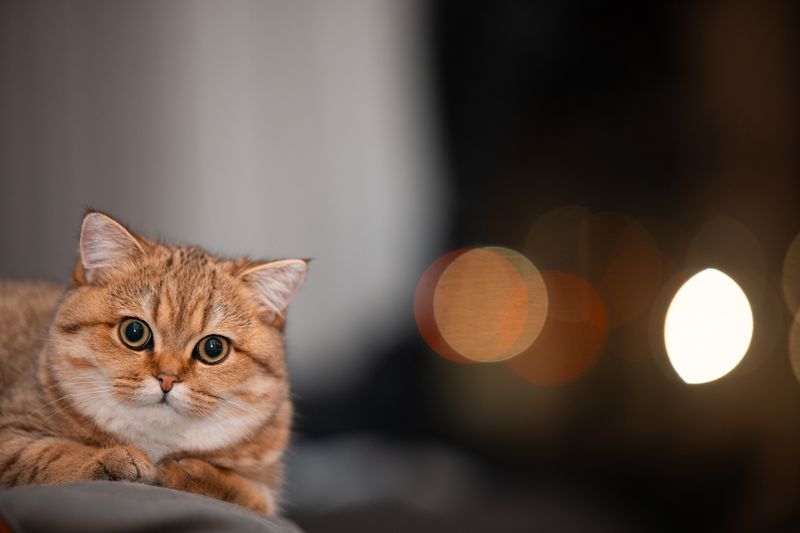
For five years, Hana ate the same chicken-and-rice kibble twice a day without a single complaint. Then one Tuesday she took three bites, walked away, and looked back at me like I had served her something that had gone off. I checked the date on the bag, sniffed the bowl, and set it back down. She didn't touch it again. By the weekend I had three different bags open on my counter and a cat steadily losing weight on all of them.
The part that broke me wasn't the refusing. It was the watching. She would sit in front of the bowl and stare at it, then walk to her empty spot by the window and stare out at the yard, then come back and stare at the bowl again. She clearly wanted to eat. She just wouldn't. I went through every food trick I'd ever read about, one after another, and each one bought me a day at most.
Why This Happens
Cats develop food aversions fast, and the trigger is usually not the food itself. A single bad experience, a bout of nausea, a sour bite, an upset stomach on the same day you happened to open a new bag, can teach a cat to associate that specific smell and texture with feeling awful. This is a survival instinct. In the wild, eating the thing that made you sick could kill you, so cats are wired to swear off it permanently after one bad pairing.
Smell is the other half. A cat's appetite is driven far more by scent than by taste, which is why warming food or adding a strong-smelling topper works better than swapping brands does. If a cat can't smell the food, she often won't recognize it as food at all. Anything that dulls that sense, a mild upper-respiratory issue, allergies, even a nose that's simply dried out, can quietly shut down her interest in the bowl.
There's also the physical side nobody wants to think about first: dental pain. A cat with a sore tooth or inflamed gums will sometimes walk up to food, take a bite, feel the jolt, and walk away, over and over, looking hungry the whole time. Stress plays a role too. A cat who is bored, overstimulated, or unsettled at home will often graze poorly, because appetite and stress run through the same system.
What I Tried First — and Why It Didn't Work
My first move was to buy my way out of it. I brought home every premium brand the pet store had, plus a couple of single-protein foods, plus a prescription diet the vet tech recommended over the phone. Hana sniffed all of them and rejected most after one bite. The one she seemed to like on day one she refused by day three, which is the signature of an aversion rather than a picky phase.
Next I tried the classic tricks: warming the food for a few seconds, drizzling tuna water over the top, hand-feeding her one kibble at a time like a baby bird. Warming helped a little. The toppers worked for exactly two meals before she started treating them as part of the problem. Hand-feeding got maybe ten pieces into her before she lost interest and walked off mid-session.
I also moved her bowl around the apartment, bathroom, bedroom, hallway, hoping a quieter spot would reset her. It just made her eat less consistently, because now she had to find the bowl before she could decide whether to trust it. Finally I took her in for an exam, and that exam is what pointed me away from food entirely.
What Actually Worked
Once the exam cleared the obvious medical causes, no dental disease, no obvious nausea, bloodwork unremarkable, the vet said something that reframed everything. A lot of this is environmental, she told me. A cat stops eating not because the food changed, but because something in her world changed and she has no way to burn it off. Hana spent her days watching an empty backyard through a window that showed her nothing worth watching. I started there.
I put up the Perky-Pet Squirrel-Be-Gone Bird Feeder just outside the window she already stared through. The squirrel-proof cage was the reason I chose it. Every cheap feeder I'd tried before got raided and emptied within a day, which meant no birds and no show. This one actually kept the seed for the birds, so within a week she had real, moving, unpredictable activity to track all day instead of a blank lawn.
To fill the rest of the picture, I mounted the Waterproof Wooden Blue Bird House on a post where she could see it from that same window. It's weather-treated, so it holds up through rain without any babysitting, and the birds treated it like a base of operations. The point wasn't decoration. It was giving a bored, slightly anxious indoor cat a full-time job: watching, tracking, and predicting a living yard.
Then I rebuilt her feeding routine around calm instead of coaxing. I set her bowl near that window, so eating happened in the one spot where she already felt secure. I offered food in smaller portions five times a day instead of two big meals, warmed each portion to body temperature so it actually smelled like food, and switched to a wide, shallow dish so her whiskers never brushed the sides. Within a week she was finishing three of the five portions.
Two weeks in, she was eating every offered meal. A month later she had put back most of the weight she'd dropped. Nothing about her kibble had changed. What changed was that her afternoons had birds in them and her food came in a form she could smell and reach without stress, and a cat who feels safe eats.
What I'd Tell Someone Starting Today
Call the vet first if your cat has been off food for more than two days, or sooner if she's also lethargic, hiding, or losing weight fast. A cat who stops eating entirely can develop liver trouble within a few days, so a no-appetite cat is a genuine medical situation, not a fussy-eater phase you can wait out.
After medical is ruled out, stop chasing the magic food and start looking at the room. How much of your cat's day is spent with nothing to do? Warm the food, dish it in small amounts, use a shallow bowl, and give her something real to watch out the window. Hana came back to her ordinary kibble, but only once her days stopped being empty.
This post may contain affiliate links. If you buy through one of them, we earn a small commission at no extra cost to you.