
My Couch Has a Coat of My Dog. I Stopped Fighting It With a Lint Brush
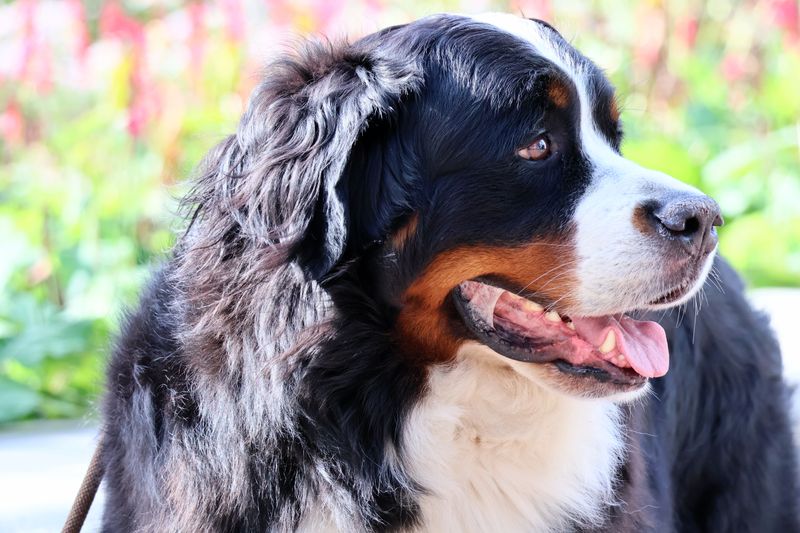
I sat down on the couch after work, leaned back, and stood up wearing half of my dog's undercoat on my jeans. The couch is a dark gray fabric that shows every single hair, like a chalkboard someone had been sketching on all afternoon. I'd been running one of those adhesive lint rollers over the cushions every night, and every night the sheet filled up in three passes, went into the trash, and the couch looked exactly the same the next morning.
The roller wasn't broken. It was aimed at the wrong end of the problem. The hair on the couch was already-shed hair; the actual source was a dog whose coat was shedding far more than it needed to because his skin wasn't in good shape. I was treating the symptom every evening and never once touched the cause, which is why I was buying rollers in four-packs and still losing the war.
Why This Happens
Dogs shed on a cycle, and a healthy coat follows a rhythm, a heavier blow in spring and fall, lighter year-round turnover in between. A dog who sheds well past that rhythm is usually a dog whose skin is dry, flaky, or irritated. Irritated skin releases hair constantly instead of on schedule, so the "heavy shed" never really ends. The couch is just where all that extra hair lands.
There's also a myth here that costs people months. Most owners believe bathing makes shedding worse, so they avoid it until the dog is genuinely grimy. The opposite is closer to the truth. A dirty, oily coat traps dead undercoat against the skin, where it builds up until it dumps all at once onto your furniture. A gentle bath loosens that dead hair and lifts the dander out, so the shed ends up in the tub instead of embedded in your cushions.
Then there's the couch itself. Fine undercoat hair doesn't sit on top of fabric (it works down into the weave and forms a thin layer that a weak-adhesive lint roller just skims across. That's why you can roll the same cushion five times and still see gray. You're not removing the layer; you're polishing it.)
What I Tried First — and Why It Didn't Work
My first year was an expensive loop of disposable lint rollers. They removed the loose top layer beautifully and did nothing for the embedded band underneath. I'd finish a cushion, sit down, stand up, and there it was again, because I hadn't touched the source.
Then I bought a rubber grooming glove and a stiff-bristled brush, and I brushed him for ten minutes a night. It helped a little, but I was brushing a coat that was already packed with dead hair, so I was mostly pulling loose stuff off the surface and leaving the undercoat trapped against his skin. The couch stayed gray.
The worst attempt was the bath. I washed him with my own shampoo because it was in the shower and I was out of dog soap. His skin dried out within a day, he scratched constantly for a week, and the shedding got noticeably worse before it got better. I had irritated the exact skin I was trying to calm.
What Actually Worked
The fix started with one bath using a shampoo actually built for sensitive skin. I switched to Veterinary Formula Clinical Care Hypoallergenic Free & Clear Shampoo, and the difference was in what it didn't have: no heavy fragrance, no dyes, nothing that would strip the natural oils and leave his skin tight and itchy. A calm, moisturized skin is a skin that holds its coat, and within two baths the endless dusting of hair slowed down noticeably.
I keep earthbath Hypoallergenic Dog Shampoo on the shelf as my alternative for the weeks his skin flares up around the change of season. It's made in the USA, fragrance-free, and gentle enough to use on a regular cadence without drying him out, which is exactly what a shedding dog needs, consistency, not intensity. Two baths a month instead of one panicked bath every few months changed the entire equation.
The order of operations mattered as much as the products. I bathed him first, which released the packed dead undercoat, and then I brushed him properly while the coat was still slightly damp and loose. That's when the real volume came off, not on the couch, in the brush. Five minutes of brushing after each bath, plus a quick pass every other evening, and the amount reaching the furniture dropped by more than half.
Finally I dealt with the couch itself instead of the emptiest day of my week. I bought washable covers for the two cushions he actually claims, so the hair that does transfer goes into the washing machine instead of into the fabric weave. The combination, calm skin, regular bathing, real brushing, and a cover I can throw in the wash. Is what finally stopped the daily lint-roller ritual.
What I'd Tell Someone Starting Today
Stop blaming the couch and look at the skin. If your dog sheds enough to coat the furniture every day, the coat is telling you the skin needs help. Use a fragrance-free, hypoallergenic shampoo on a regular schedule, and bathe before you brush, never after, because the bath is what releases the dead undercoat you're trying to remove.
And accept that you'll still need a cover on the seat he loves. Two baths a month, a real brushing routine, and a washable cover cost me far less than the lint rollers ever did, and I finally got to sit down on my own couch without standing up looking like a different species.
This post may contain affiliate links. If you buy through one of them, we earn a small commission at no extra cost to you.