
The Rust Around Her Eyes Was the Thing I Kept Wiping. It Came Back the Same Day
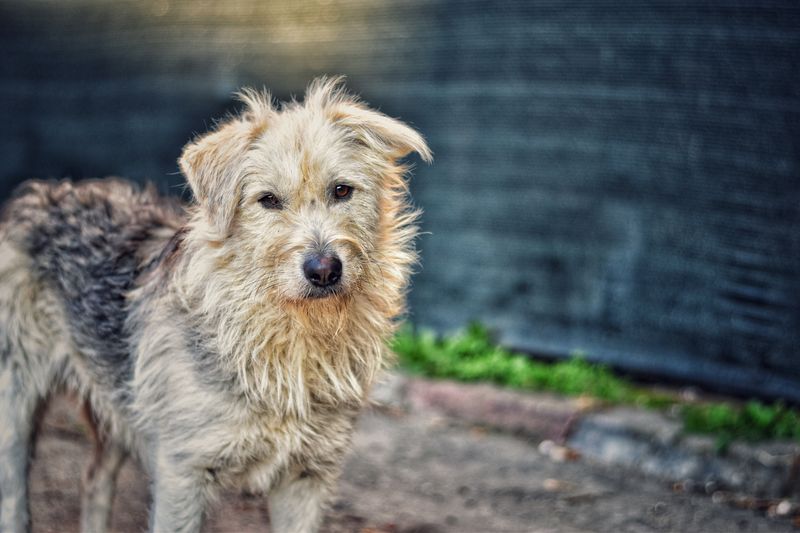
Every morning it was the same routine. I would wet a cotton pad, gently wipe the reddish-brown streaks from under Luna's eyes, and admire the clean white fur for about four hours. By dinner the rust was back, same place, same color, like the day had never happened. I went through half a bag of cotton pads a week and told myself that if I just kept at it, eventually the staining would stop coming back. It did not stop. It came back the same day, every day, for a year, until I finally understood that I was cleaning the result and ignoring the cause.
What I did not realize for the longest time is that the color is not dirt. It is not staining from the outside in. It is a pigment produced by the body itself, which is why wiping it off was never going to fix it. Once I understood what I was actually looking at, the whole approach changed.
Why This Happens
The rust-colored marks around a dog or cat's eyes are caused by porphyrins, which are naturally occurring molecules that are present in tears and saliva. When tears sit on light-colored fur and get exposed to air and light, the porphyrins oxidize and turn that familiar reddish-brown. That is why the discoloration is worst in the fur right at the tear line and why a white or light-coated animal shows it so dramatically while a darker-coated one hides it entirely.
So the fur is not the problem; the moisture is. Anything that makes a dog tear up more than usual. Blocked tear ducts, allergies, irritation, an eye infection, a scratch to the surface of the eye, or even just a lot of facial hair wicking tears sideways onto the cheeks. Feeds the staining. Some breeds are simply built with shallow eye sockets or hair that grows into the eye, which is why certain small dogs and flat-faced cats fight this their whole lives.
And there is a stain-transfer piece that took me longer to notice. All that moisture does not stay on the face. It drips onto bedding, onto the paws during grooming, onto the couch and the crate pad, and porphyrin is a protein-based stain that ordinary soap and detergent do not break down well. So even as I was wiping her face every morning, the rusty evidence was quietly soaking into everything she touched, and my regular cleaner was not touching it.
What I Tried First — and Why It Didn't Work
For months I just wiped harder. More pressure, more cotton pads, warm water, then plain shampoo. It looked cleaner for a few hours and the streaks came back exactly as before. You cannot wipe away a stain that the body keeps producing.
Then I tried changing her food, on the internet's advice, and bought a "tear-stain formula" kibble. Nothing changed except the price. Diet can matter for some animals, but I had swapped her food with no evidence and no plan, which is just guessing with extra steps.
My third attempt was buying a specialty eye-cleaning solution and dabbing it around the eyes, which the vet later told me to be careful with, you should never put anything in or near the eye that was not made for it, and running a harsh wipe across the eye can irritate it and make the tearing worse. I had been treating an eye symptom with a cosmetic mindset, and it was probably feeding the problem.
What Actually Worked
The real fix had three parts, and none of them were about scrubbing. First, I had the vet look at her eyes properly. That visit is not optional, because excessive tearing can mean a blocked duct, an eye infection, or an ingrown hair, and those need a real diagnosis, not a cotton pad. Once we knew her eyes themselves were healthy and the tearing was mostly allergen-related, I could work on the environment instead of guessing.
Second, I kept the area dry rather than just clean, I gently wiped with plain warm water once or twice a day and then patted the fur completely dry, because dry fur does not oxidize into rust. No fancy solution, just a clean pad and a dry finish.
Third, I finally dealt with the stains she was leaving on everything else. For the rust on her bedding, her crate pad, and the spots on the carpet, I switched to an enzymatic cleaner, and it made the difference I had been missing all year. Nature's Miracle dog stain and odor remover broke down the protein-based porphyrin stains that regular detergent had just been smearing around, and it lifted the old set-in marks that had been there since before I understood what they were. The 32-ounce bottle handled the bedding and the big spots, and I kept the 24-ounce size on hand for quick touch-ups around the crate. Nothing cosmetic ever cleaned those marks the way the enzymatic formula did.
What I'd Tell Someone Starting Today
Stop wiping and start asking why. Wiping is fine as a daily habit, but it will never be the cure, because the stain is produced from the inside. Get a vet to rule out a blocked duct, an infection, or an ingrown hair before you spend another dollar on food or wipes.
Then keep the fur dry, not just clean, and stop washing the problem into your furniture. An enzymatic cleaner is the only thing that actually lifted the rust from Luna's bedding and the carpet, and it is the tool I wish I had reached for a year earlier. Her fur still tears, and it still tints a little on bad allergy days, but the streaks no longer win. I clean the right thing now, which is the whole difference.
This post may contain affiliate links. If you buy through one of them, we earn a small commission at no extra cost to you.