
She Brought Me a Hairball on the Kitchen Floor. I'd Rather Not Hear It Coming
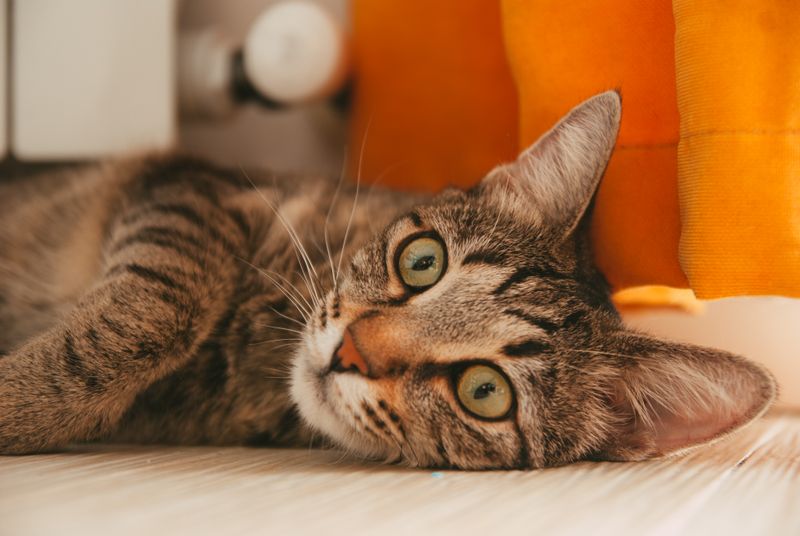
You know the sound before it happens, the deep, wet hunching, the rhythmic heaving from the other side of the apartment. The first time Pixel did it, I found a gray-brown tube on the kitchen tile at 6 a.m. And cleaned it up with a paper towel and a sigh. By the fifth one in two weeks I stopped sighing and started paying attention. She was not doing this because she was a cat and cats do this. She was doing it because her coat was shedding faster than her body could move the hair through, and every hair that ended up in her stomach was on its way back up onto my floor.
What finally made me act was math. A long-haired cat grooms for hours a day, and every one of those hours is hair going down the hatch. I was feeding the problem every single day without doing the one thing that reduces it at the source, which is pulling the loose hair off her before she swallows it. Once I understood the hairball as a delivery problem rather than a mystery illness, the whole routine got simple.
Why This Happens
A hairball is not a food. It is a wad of undigested fur that has accumulated in the stomach because the cat swallowed it while grooming and it could not pass. Most of the hair a cat grooms off actually moves through the digestive tract fine. It becomes a hairball when the volume is high enough, or the coat is long enough, or the shedding season is heavy enough that more hair goes in than can come out the other end.
Long-haired cats and heavy shedders are simply prone to it. So are cats in spring and fall, when the coat turns over all at once. But there is a management piece that is entirely in your hands. If loose, dead hair is sitting on the cat, she will swallow it, every time. If it is on your brush instead, it is not going into her stomach at all.
Digestion and hydration also matter. A cat who is not drinking enough can have a harder time moving hair through, and a cat whose gut is not working smoothly tends to have more trouble with everything. That is why grooming and a little hydration go further together than either one alone.
What I Tried First — and Why It Didn't Work
My first move was hairball paste, squeegeed onto a paw. It helped soften the passage, and I still keep some around for bad weeks, but it is a treatment for what has already been swallowed, not a way to stop the swallowing. I was managing the symptom and still letting her coat load up with loose fur.
Then I tried an occasional bath, reasoning that water must loosen the hair. Bathing a cat is its own adventure, and doing it rarely meant the coat came out even fluffier and shedter while I dried her. A bath every once in a while is not what keeps a coat de-shedded. Regular work is.
My third attempt was simply brushing with whatever was in the junk drawer, a soft human hairbrush that mostly smoothed the top layer and left the undercoat untouched. Wrong tool. The loose hair lives underneath, and a surface brush never reaches it.
What Actually Worked
The single thing that cut the hairballs by more than half was daily de-shedding with the right brush. The Depets self-cleaning slicker brush reaches the undercoat where the loose fur actually lives, and the self-cleaning feature means the hair goes into the brush and clicks right off into the trash instead of clogging the teeth and getting spread back onto her. I brush her for three or four minutes a night, more in spring, and I get a small pile of fur every single time. That is fur that is not becoming a hairball.
I also learned to make grooming pleasant instead of a wrestling match. Short sessions, treats afterward, and starting under the chin and along the back where she likes it before moving to the haunches where she holds tension. A cat who tolerates the brush gets brushed, and a cat who gets brushed has fewer hairballs. That is the whole loop.
The bath turned into an occasional tool rather than a fix. A gentle hypoallergenic shampoo (the earthbath formula I keep is mild and does not strip the coat, helps when the shedding is at its worst, because a clean, conditioned coat releases dead hair more easily in the next brushing session. I am not building baths into the routine, but after a heavy shed, one good wash followed by a thorough brush pulls off a shocking amount of hair. Paired with fresh water in multiple bowls around the house so she stays hydrated, the heaving sound has become rare. When it does happen, I know I missed a brushing day.)
What I'd Tell Someone Starting Today
Buy a real undercoat tool and brush every day, not weekly, daily, especially in shedding season. Every clump you pull off the brush is a clump that does not end up on your floor or in the litter box. Keep fresh water available in more than one spot, and use a gentle shampoo now and then to help the coat release.
Watch for the warning signs that it is more than routine: a cat who stops eating, keeps retching without producing anything, or seems uncomfortable is a vet call, because a large hairball or a blockage is not something to wait out. For ordinary everyday hairballs, though, the fix is boring and it works. Pixel still grooms, obviously. But the heaving sound at 6 a.m. Is now the exception, and cleaning the kitchen floor is back to being about the coffee.
This post may contain affiliate links. If you buy through one of them, we earn a small commission at no extra cost to you.