
My Cat Barely Drank From Her Bowl. Here's How I Finally Got Her to Drink More Water.
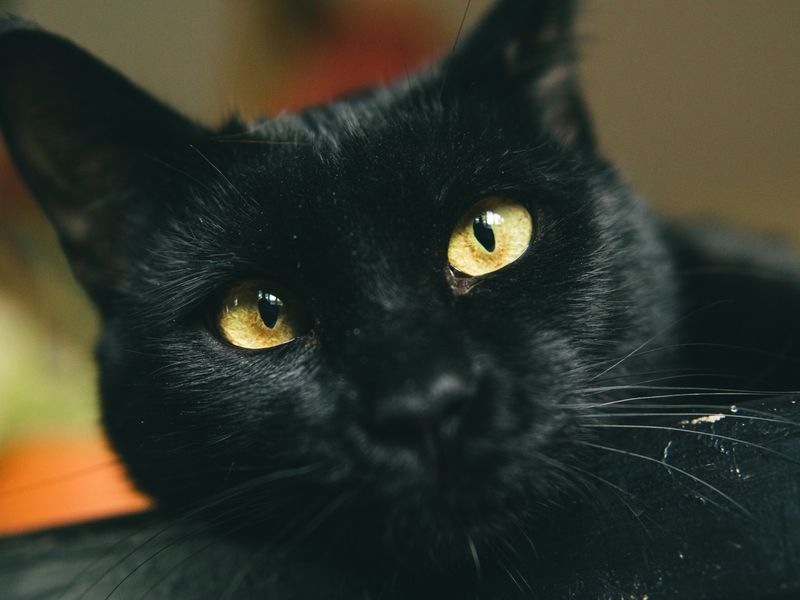
My cat Sable hardly ever went to her water bowl. I would top it up in the morning and it would still be nearly full at night, day after day. She was eating normally and the vet said she looked fine, but I knew enough about cats to feel uneasy. Cats evolved from desert hunters that got most of their water from their prey, which means they have a famously weak thirst drive. A cat who "does not drink much" is often a cat quietly drifting toward trouble.
The vet explained the stakes bluntly: not enough water raises the risk of urinary and kidney problems, and cats are already prone to both. She also explained why that bowl sat untouched. In the wild, a cat treats still water sitting next to her food as potentially contaminated. Instinct tells her to find fresher, moving, or concealed sources instead. My flat bowl of tap water, parked beside her kibble, was about the least appealing drink a cat could be offered.
Why This Happens
Cats have a naturally low thirst drive because their ancestors got most of their moisture from fresh kill. So a cat will often run a mild, chronic dehydration without ever acting thirsty. Over time that concentrates the urine, and concentrated urine is a major risk factor for crystals, blockages, and kidney disease. Hydration is not a small thing for a cat; it is one of the main levers that keeps her urinary and kidney systems healthy.
The environment matters as much as the bowl. Cats prefer water that is far from their food and litter, water that is not stale, and — this is the big one — water that is moving. A dripping faucet, a fountain, a stream: motion signals "fresh." A still bowl reads as "old" to a cat's instincts, which is exactly why so many cats ignore the bowl and stampede the bathroom sink the second you turn the tap.
There is also a sneaky path to hydration most people never consider: food. A cat's natural prey is roughly 70 percent water. You can push a surprising amount of water into a cat simply by making her eat it, which is where wet food and food-based tools come in.
What I Tried First — and Why It Didn't Work
My first attempt was more bowls. I put water in three rooms, swapped it twice a day, and bought a wide ceramic bowl after reading that narrow ones cause whisker stress. She still barely drank. Freshness and whiskers were not her problem.
Next I tried adding water straight to her food bowl, which she mostly ignored, and then I moved a bowl up to the counter where she liked to sit. She knocked it onto my laptop. Twice.
I considered a fountain, but I live in a small apartment and did not want another appliance to clean, and honestly Sable spooks at hums and motors. So I went looking for less mechanical ways to get fluid into her.
What Actually Worked
The change that made the biggest difference was turning hydration into something she ate. I bought the ChefAide 2 Pack Lick Mat and started using it as a hydration tool. The textured surface holds food in place, so a slow-eating or under-drinking cat has to work at it, and that lets me load it with moisture. I would spread canned food thinned with warm water, or on hot days freeze a little broth and water onto it. The licking meant she was literally lapping up water with her meal. For a cat who would never drink from a bowl, a lick mat full of watered-down food slipped fluid into her without her ever noticing. She went from barely touching water to getting a steady trickle at every meal.
The second piece appealed to the part of her that ignores everything I set out. I picked up a Moss Bowl Terrarium Kit and set a small water garden on my windowsill — a shallow bowl of live moss with a little reservoir beneath a plant. Cats are drawn to greenery and to water that looks like it belongs in nature, and Sable took to it immediately. She sips from it throughout the day, which is exactly the grazing behavior cats evolved to have. It also gave her a fresh, concealed-feeling water source away from her food, which is the setup cat instinct actually asks for. That it doubles as a nice little plant feature is a bonus.
Between the lick mat and a genuinely appealing second source, her intake rose noticeably. I also made a few cheap tweaks: moved her main bowl away from her food and litter, washed and refilled it daily, and kept a couple of wide shallow bowls around the apartment. The trick was never one magic product. It was giving a low-thirst animal more reasons and more chances to drink.
What I'd Tell Someone Starting Today
If your cat hardly drinks, do not wait for symptoms. Cats hide early kidney and urinary disease well. Get a vet check if she is urinating more or less than usual, straining, or losing weight, because those are medical issues. For plain low water intake, the fix is usually environmental plus a little creativity: move the bowl away from food, keep it fresh, add moisture to food, and offer a moving or natural-looking source.
Sable is a different cat now at her water station. She still ignores the plain bowl more than I would like, but between the lick mat meals and her moss bowl, she gets what she needs. For a desert animal living in a studio apartment, that is about as close to a fresh stream as it gets.
This post may contain affiliate links. If you buy through one of them, we earn a small commission at no extra cost to you.