
My Cat Wolfed Down Her Whole Bowl in Ninety Seconds — Then Begged for More. Here's What Changed Her Mealtimes.
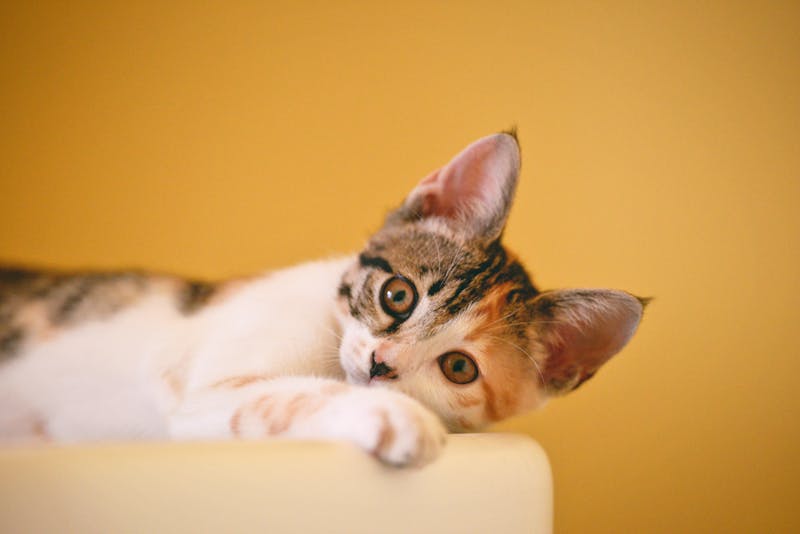
My cat Wren eats like she is being timed. Ninety seconds, bowl clean, and then she sits in the middle of the kitchen and screams at me like I have obviously forgotten to feed her — which I have not, because I fed her thirty seconds ago. The vet said her weight was fine but noted she was eating "enthusiastically" and suggested slowing her down, because inhaling food can mean gulping air, vomiting, and with some cats genuine digestive trouble.
The other half of the problem was boredom. Wren is an indoor cat with a lot of brain and very little to do, and I finally realized her obsession with food was partly that mealtimes were the most interesting two minutes of her day. Then nothing for twelve hours. No wonder she screamed about it.
Why This Happens
Fast eating is part instinct and part environment. Cats are wired to eat quickly, because in the wild the faster you eat, the less chance something bigger takes your meal. An indoor cat with total food security never unlearns that urgency. Add a highly palatable food and a wide-open bowl, and you get a cat inhaling dinner like it might vanish. A big pile in a wide bowl strips away even the small friction that would slow a meal down.
The consequences are real. Eating fast means swallowing air, which can cause vomiting shortly after a meal, and for some cats it leads to real discomfort. Even when nothing dramatic happens, the whole meal is over in a flash, so there is no natural "work" involved and no lasting satisfaction at the end of it.
The boredom angle feeds straight into it. A cat with nothing to do all day will fixate on food because it is her one reliable event. Enrichment — making her hunt, forage, and work for her food — is not a nice-to-have. It directly reduces the restless behavior that shows up as constant begging and mealtime frenzy.
What I Tried First — and Why It Didn't Work
First I tried a smaller bowl, thinking less food would mean slower eating. No. She just ate the smaller amount in forty-five seconds instead of ninety. Then I tried splitting the meal into several small portions through the day, which helped a little but turned my whole schedule into feeding intervals and did not touch the gulping.
I tried the classic trick of putting a ball in the bowl. She fished it out with one paw in ten seconds and ate around it. I tried a slow-feeder bowl with maze channels, and she got frustrated, gave up, and yowled until I dumped the food back into her normal bowl. Not every slow feeder clicks, and the hard plastic obstacle ones just seemed to annoy her.
The last thing I tried was feeding her and then immediately distracting her with a wand toy. That worked for exactly as long as I was holding the wand. The minute I stopped, she was back in the kitchen, waiting.
What Actually Worked
What changed things was making Wren work for her food, and the tool that did it was the AWOOF Pet Snuffle Mat. It is a fabric mat with grass-like strips you hide kibble inside, and suddenly her two-minute dinner became a fifteen-minute foraging session. She has to nose through the fabric, dig, and hunt for each piece, which mimics the stop-and-start grazing of a cat stalking prey. She physically cannot gulp, because the food is scattered through a maze of cloth. Mealtimes slowed down dramatically, the post-meal yowling mostly stopped, and honestly she seems happier — that little hunt makes her brain work in a way a bowl never did.
The other thing that helped was giving her something to watch, so her day stopped being a countdown to the next meal. I hung a Squirrel Buster Plus Bird Feeder right outside her favorite window, and it genuinely changed her relationship with the glass. Now she has a live channel — birds and the occasional squirrel, moving all day — and it turned a bored cat into an occupied one. A stimulated cat begs less, sleeps better, and is far less fixated on the bowl. The feeder is squirrel-proof, which matters more than you would think: one squirrel hogging the tray clears every bird in seconds and your cat loses her show.
I kept the snuffle mat and the window working as a system. At least one meal a day went into the mat instead of the bowl, and the window kept her busy in between. I also rotated a couple of puzzle-style feeders so the "hunt" did not go stale, because a cat who has mastered a puzzle stops working it and you are right back where you started.
One more habit mattered: I stopped free-feeding her. When food sits out all day, there is no meal to work for and nothing to anticipate, so the only food-related event left is the frantic one. Feeding her measured meals on a schedule, served through the mat, gave her something to look forward to and made the search itself the reward.
What I'd Tell Someone Starting Today
If your cat inhales her food, stop treating it as a harmless quirk. Try a snuffle mat or a puzzle feeder to slow her down, split her meals if your schedule allows, and watch for vomiting or discomfort, which is worth a vet call. And do not underestimate boredom — a cat with an interesting window and something to forage is a cat who does not spend her entire day screaming at you about dinner.
Wren still shows up in the kitchen at mealtime. She just takes fifteen minutes instead of ninety seconds now, and she is not staring a hole through me for the rest of the day. Two small changes, one much calmer cat.
This post may contain affiliate links. If you buy through one of them, we earn a small commission at no extra cost to you.