
Two Hours on the Trail and She Refused to Drink — The Collapsible Bottle Fixed Our Hikes
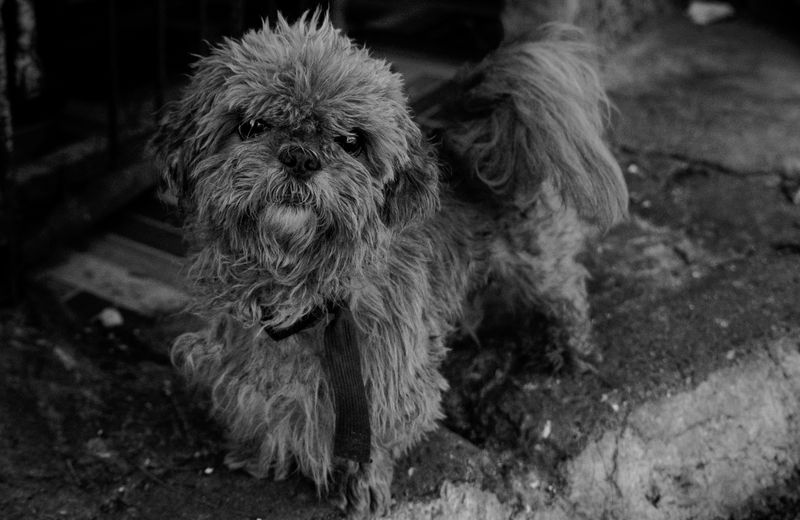
It was a hot August morning on a ridge trail with no shade for the last mile, and my cattle dog mix, Piper, was trotting ahead of me with her tongue hanging past her molars. I stopped at the overlook, pulled out the little travel bowl I always carried, filled it from my own water bottle, and set it down. She looked at it, looked at me, and walked away. Two hours of climbing in ninety-degree heat and she had drunk nothing. That was the day I understood that "bring water" and "get the dog to drink water" are two completely different problems.
I spent the rest of that hike stressed and doing math about heatstroke, cutting the loop short and pouring water over her paws and belly to cool her down. She was fine, barely, but I had learned that the bowl I had trusted for years was doing nothing on the trail, and I needed to figure out why before the next hot day.
Why This Happens
A dog who will happily drink from a bowl at home often refuses one on a trail, and the reason is surprisingly simple: dogs are sensitive to the smell and taste of their water, and a strange source reads as unfamiliar. The water in my own bottle had a faint plastic-and-slobber taste to her, and she knew it. But that was only part of it.
The bigger factor was arousal. On a trail with new smells, new ground, and the whole world to investigate, Piper was running at a level of excitement that suppresses normal drives, including thirst. Think about how you feel at an amusement park. You can forget to eat and drink for hours because your nervous system is lit up. A dog on an exciting trail is the same. She was not choosing not to drink. Her body was too revved up to register that it needed to.
Add heat, and that combination of high arousal plus low intake is how dogs end up in real trouble. Dogs cool themselves largely by panting, and panting burns water fast. A dog who will not drink on a hot hike is losing fluid faster than a dog who will, which is exactly the scenario you never want to be in miles from the car. The fix was not one thing. It was finding a water source she would actually accept, and getting her brain to slow down enough that the water registered at all.
What I Tried First — and Why It Didn't Work
My first attempt was the bowl I already had. It worked fine in the backyard and failed completely on the trail, for the taste and familiarity reasons above. I was carrying dead weight the whole time.
Then I tried offering water from my cupped hand. She licked at it once, mostly because she thought I had food, and then lost interest. Cupped hands barely hold water anyway, and by the time I had dribbled enough into my palm to matter, most of it had run through my fingers onto the dirt.
I also tried pushing her. I held the bowl up to her mouth and gently nudged her muzzle toward it. That backfired, because pressure on a hot, amped-up dog just makes her pull away, and now she associated the whole stop with being nagged. The third thing I tried was pouring the water on the ground to see if she would drink from a puddle, which mostly just soaked the trail and wasted the water I had left. None of it addressed either the taste problem or the arousal problem, so none of it worked.
What Actually Worked
Two changes turned our hikes around. The first was a collapsible travel water bottle with a built-in drinking trough, the kind where you squeeze the bottle and water pushes up into a little silicone cup the dog drinks from directly. That design solved the taste problem because the water came out fresh from the bottle straight into a narrow trough, not sitting in a strange bowl, and the collapsible shape meant it squashed flat when empty so I could carry it in a hip pocket. I started offering it every fifteen minutes or so, not just when I thought she looked thirsty, and I modeled the behavior by crouching low and holding it still instead of shoving it at her.
The second change is the one people overlook: I started draining her nervous energy before we ever hit the trail. About twenty minutes before a hike, I set out a snuffle mat and scattered her breakfast through it so she had to root every piece out with her nose. That sounds like a small thing. It is not. Twenty minutes of nose work brings a dog's arousal down a full notch, and a dog who starts the hike calm stays hydrated far better than one who starts the hike already frantic. The FunFurry Snuffle Mat is the one I use at home because the dense fleece strips hold a whole meal and force a dog to work slowly; when we travel, I bring the AWOOF Pet Snuffle Mat because it folds flat and takes up almost no room in the car. Tired nose, calm brain, and suddenly she will take a real drink at the halfway point instead of turning away.
Put together, the routine is boring but it works: a snuffle-mat meal before we leave, small frequent water offers on the trail from a bottle she will actually accept, and a hard stop at any sign of heavy panting or wobbly legs. She drinks now. That is the whole difference between a hike that is fun and a hike where you are scared the entire time.
Slow-Feed Puzzle Bowl for Dogs
I feed a whole meal through this 20 minutes before a hike, burning off arousal is what finally got Piper to drink on the trail.
Check price on AmazonElevated Dog Bowl with Stand
The one that folds flat for the car (same pre-hike wind-down when we are on the road.)
Check price on AmazonWhat I'd Tell Someone Starting Today
Do not assume your dog will drink just because water is available. Bring a bottle with a drinking trough so the water comes out fresh and the dog can drink without a strange bowl, offer it on a schedule rather than waiting for signs of thirst, and start the hike with a calm dog by running off some mental energy first. Learn the early signs of overheating, frantic heavy panting, thick drooling, a wobbly or staggering walk, gums that look brick-red or pale, and treat any of them as a stop-and-cool-down-right-now moment.
Now I carry the squashed-flat bottle in one pocket and a handful of treats in the other, and a two-hour trail is just a good morning instead of a rolling math problem. Watch the water in, not just the miles out.
This post may contain affiliate links. If you buy through one of them, we earn a small commission at no extra cost to you.