
My Shiba Buries Treats All Over the Neighborhood — Here's What Finally Stopped the Hoarding
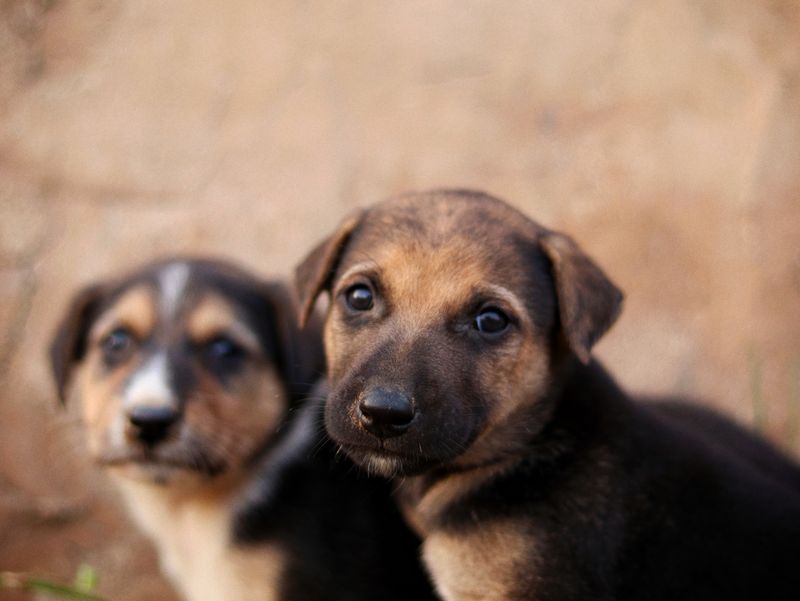
The first sign was the couch cushions. I found a half-chewed bully stick wedged deep in the fold of the sofa, then a desiccated piece of jerky under the rug, then a small mountain of kibble behind the floor lamp. Then we started finding the stash points outside: treats pressed into the dirt at the base of the same maple tree on every walk, buried under mulch in the neighbor's flowerbed, tucked into a crack in the sidewalk. Kiko, my five-year-old Shiba Inu, was running a food-storage operation across three blocks.
It sounds cute. It is not cute when your dog ignores a genuinely high-value treat, the good stuff, the stuff you actually paid for, because he's saving it for later. It's not cute when he guards a patch of dirt against the gardener, or when he starts pacing and checking his stashes instead of walking. By the time I admitted it was a problem, Kiko had turned half the neighborhood into a pantry and our relaxing evening walk into a patrol route.
Why This Happens
Hoarding and caching are normal dog behaviors running at abnormal intensity. Every dog carries a leftover instinct to bury or hide surplus food, a hedge against a future with nothing to eat. Shiba Inus push this further than most breeds, because they're an ancient Japanese hunting breed that spent centuries surviving on scraps and small game. A Shiba who finds a resource doesn't eat it fast; he protects it. That's genetics, not spite.
The intensity spikes when a dog feels insecure about food: a history of scarcity, competition from another pet, or simply a rare, high-stakes treat he almost never gets. The rarer and better the item, the more it's worth protecting. Kiko wasn't hoarding kibble. He was hoarding the good stuff precisely because it was rare, and every time I handed him something special I was also handing him something worth burying.
There's a safety dimension people miss, too. A dog who caches food outside the home is a dog who eats things off the ground, and the ground is full of stuff that can make him sick or worse, grapes and raisins, chocolate, xylitol gum, onion, cooked bones, moldy garbage. The same instinct that makes him bury a treat makes him investigate anything that smells edible, and the margin for error is thin.
What I Tried First — and Why It Didn't Work
My first move was to pull the treats out of the equation entirely, which really meant just giving him fewer. That didn't stop the hoarding; it made him guard harder the next time he got something good, because scarcity is exactly what drives the behavior in the first place.
My second attempt was chasing him down and taking the buried item back. Almost everyone makes this move, and it's the worst one. From a dog's point of view you've just proved the stash is worth defending, because humans steal it. Kiko started swallowing food whole to keep it away from me and began growling when I walked near his dirt piles. I'd turned a quirk into resource guarding.
Third, I tried correction on the walk, a firm "leave it" and a tug whenever he started to dig. It stopped the digging in the moment, but the impulse was still there; he simply waited until I wasn't looking or did it in the yard instead. You can't suppress an instinct. You have to give it somewhere to go.
What Actually Worked
The thing that finally clicked was giving the instinct a legal outlet and lowering the stakes around food. In the house, I stopped handing Kiko special treats by hand and started putting his meals, including the good stuff. Into the FunFurry Snuffle Mat, a fabric puzzle mat with folds and pockets you load with food. "Find the kibble" instantly became twenty minutes of nose work, and the same food drive that had him burying treats became a genuine job. A dog whose brain is working doesn't need to hide; a bored one does. The mat also slowed his eating dramatically, which eased the bloat and cramping that were quietly adding to his overall anxiety.
On walks, I made two changes: I stopped letting him carry food at all, and I made sure he could not get into something dangerous while his nose was down. That is where the Safe and Toxic Foods Chart for Dogs Fridge Magnet earned its spot on my refrigerator. It sounds like a small thing, but when your dog spends every walk investigating what's on the ground, having the full toxic list right where you pour your coffee each morning means you actually check instead of guessing about a plant, a scrap, or a dropped snack. The 8.5x11 waterproof magnet survives kitchen splashes rather than curling into a ball, so it's still readable a year in.
The walk fix itself was simple once I understood it: high-value food goes from my pocket straight into his mouth, nothing held, nothing carried for later. His jacket pockets stay zipped and empty. His last meal of the day is now a snuffle-mat meal right before bed, so his final activity each night is working for food instead of stashing it.
What I'd Tell Someone Starting Today
Don't try to win a fight over the stash. Taking the buried treat tells your dog the stash is worth defending. Instead, raise the supply and lower the scarcity: feed more, feed slower, feed from a puzzle instead of a bowl, and never hand out special food he has time to save. Give the burying instinct a job indoors and it stops hunting for one outdoors.
And if your dog starts guarding food against you or snaps when you reach for a stash, that's a resource-guarding problem for a trainer, not a tip column. Kiko still investigates patches of dirt on walks (old habits, and he's a Shiba. But he doesn't bury anymore, and he doesn't guard. He works for his dinner at the mat and then sleeps like a rock. That's the whole trade, and I'll take it.)
This post may contain affiliate links. If you buy through one of them, we earn a small commission at no extra cost to you.