
Training a Dog in a 480-Square-Foot Apartment — The Treat Pouch Made It Possible
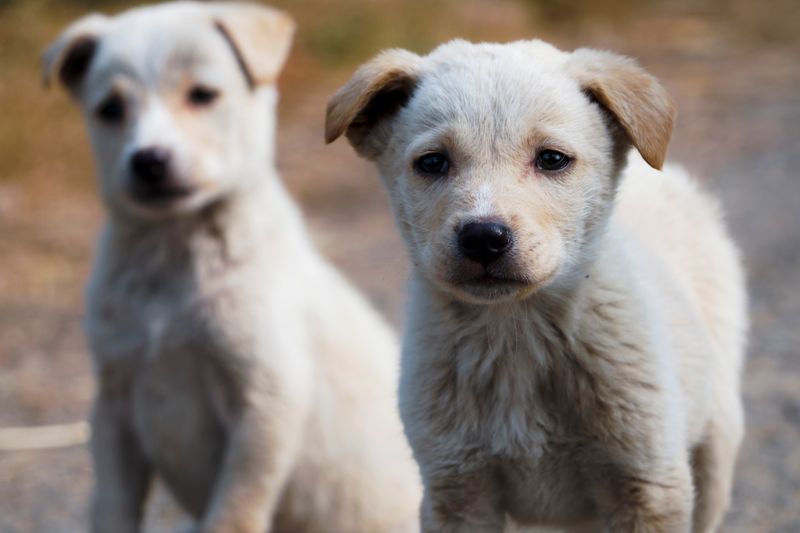
I adopted a twenty-pound terrier mix named Nugget while living in a 480-square-foot studio with one north-facing window and a hallway that doubled as the kitchen. Everyone told me a small apartment meant I should not get a dog. What nobody told me was that the apartment was not the real constraint. My training was. Specifically, I could not get a piece of food into that dog's mouth fast enough to teach her anything, and it took me an embarrassingly long time to figure out that the problem was my pockets.
Every walk, every training session, every "sit" and "leave it" was a negotiation with the bottom of my jeans. She would do the thing, I would fish for a treat, and by the time the food arrived, three seconds had passed and I had rewarded her for standing up, scratching, or staring at my hand. Small-space training is not hard because the space is small. It is hard because the space gives you no margin for sloppy timing, and sloppy timing was costing me every rep.
Why This Happens
Dog training is timing and reward delivery, and in a small apartment you do a huge amount of training indoors, in short bursts, all day long. In a house with a yard you might do one formal session and let the dog burn energy outside. In a studio you are constantly reinforcing tiny behaviors at the door, at the elevator, at the counter. Dozens of micro-lessons a day. Every one of those is a chance to reward the right thing or the wrong thing, and the only variable that separates the two is how fast the food arrives.
Treats that live loose in a pocket get warm, get crushed, get smeared into the lining, and, worst of all (take both hands and real seconds to retrieve. Every second of delay is a second of the dog rehearsing whatever she is doing right now instead of what you wanted. A dog's brain connects reward to behavior only when the two are close together, so a slow handover does not reward cooperation. It rewards impatience.)
The small-apartment factor compounds this because you cannot run a dog's energy out with space you do not have. A dog cooped in under 500 square feet without mental work gets bored, and a bored dog has a lower threshold for every behavior problem you are trying to train away. So you are simultaneously trying to teach with precise timing and manage a dog running on unspent mental fuel. That is the real squeeze.
What I Tried First — and Why It Didn't Work
My first attempt was loose treats in my pocket. Within a day, my pocket was a lint-and-kibble paste, and worse, my delivery was slow. Nugget learned that "sit" meant a fumbled hand near my hip, and she started mugging that hand instead of watching my face.
Then I tried a plain plastic zip bag of treats in my jacket. The bag got greasy, the zipper jammed with crumbs, and I still needed both hands to open it. Same slow delivery, new mess.
I also tried just dropping treats on the floor as a reward. That worked for about a week, until I realized I had taught her to stare at the floor after every command. The reward was in the wrong place, and she was checking for it instead of looking at me. Delivery location matters as much as speed, and I had gotten both wrong.
What Actually Worked
The single best purchase I made for that apartment was a treat pouch that clips to my waistband. It is a small fabric bag with an open, quick-access top you can scoop into with one hand while your other hand stays on the leash. I wear it on my left hip, so my right hand is free to mark and deliver. That one change cut my delivery time from seconds to a split second, and Nugget suddenly started getting rewarded for the right thing. It sounds trivial until you watch a training session where the reward is instant, the dog's accuracy jumps in a single afternoon. One hand in the pouch, mouth open, treat already there. No fumbling, no lint, no broken timing.
The second half of the fix was giving her mental work she could do inside a small apartment. I started laying out a FunFurry Snuffle Mat on the floor and scattering her breakfast through the fabric strips so she had to hunt each piece out with her nose. That turned a two-minute gulped meal into fifteen minutes of focus, and it gave her the enrichment that a yard would have provided, all without needing more square footage than a bath mat. When I travel or need something easier to store under the couch, I use the AWOOF Pet Snuffle Mat, which folds down flat. The point is not the mat itself. It is that a mentally tired dog is a trainable dog. Once Nugget had real nose work every day, she came to our training sessions calm enough to actually learn.
With fast delivery and a satisfied brain, small-space training stopped being a fight. She learned "place," "leave it," and a solid stay on a rectangular rug in a studio, all of it built on one clean rep at a time with a treat that arrived the instant she was right.
Slow-Feed Puzzle Bowl for Dogs
Fifteen minutes of nose work that replaces the yard I don't have, a mentally tired dog trains far better.
Check price on AmazonElevated Dog Bowl with Stand
Folds flat and tucks under the couch, the space-saving version for a tiny apartment.
Check price on AmazonWhat I'd Tell Someone Starting Today
Get the food out of your pocket and onto your body in a pouch you can reach with one hand, then keep that hand free to reward. Carry treats that are high-value enough to matter but small enough to deliver fast, and reward the instant the dog is right, not after you have admired the behavior. Give a small-space dog real mental work every day through scent, and treat short sessions spread across the day as your training plan rather than one long sit-down. Ten good reps with instant rewards beat an hour of sloppy ones.
Two years later, Nugget still lives in that studio with me, and she is the calmest, most responsive dog at our building's elevator. The apartment was never the problem. My pocket was.
This post may contain affiliate links. If you buy through one of them, we earn a small commission at no extra cost to you.